


Hey everyone! My inbox is always full of messages like, “Teach me how to hack!” or “How do I get credit card numbers from websites?” First off, if you’ve been paying any attention to my other articles, you’d know that before I was your favorite scam guru, I was a pentester. Yes, a legitimate, certified pentester who gets paid to hack websites.
So yes, I know a thing or two about hacking websites. But let’s get one thing straight: hacking in 2025 is no walk in the park, especially if you want to get into carding. But since you’re here and obviously too lazy to do your own research, let’s talk about hacking in 2025. This will be a quick overview of hacking in a new series where we focus on all things hacking.
Forget those Hollywood fantasies of hacking as some quick keystroke with a green code cascading down the screen. These days it’s a grind, a constant chess game against ever-improving security. But for those with the guts, the wits, and the sheer courage to take what they want, there’s still loot to be had.
Hacking: The Good Old Days (They’re Gone)
First, let’s be realistic. We’re not in the early 2000s anymore. Back then, hacking was kid’s play. Websites were held together with duct tape and prayers, running on ancient PHP and MySQL full of holes. Hacking was like taking candy from a child.
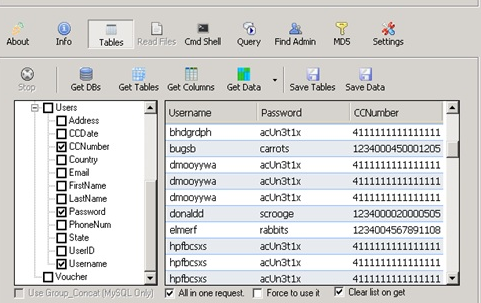
You could fire up Havij, point it at a site, and boom! Databases overflow with credit card numbers. Or you could hack a WHMCS installation and suddenly have keys to thousands of sites. Those were the glory days. Easy pickings.
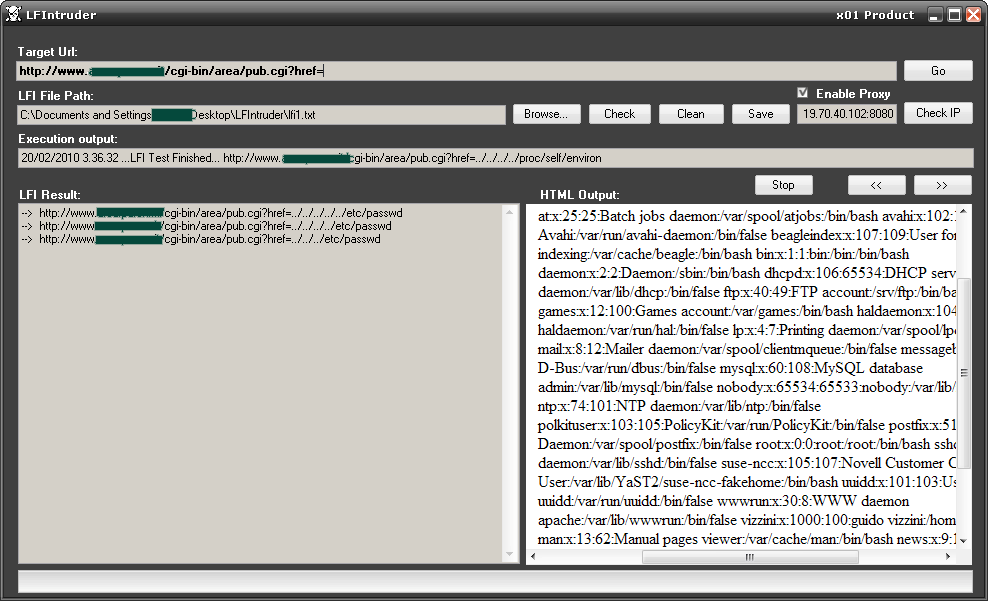
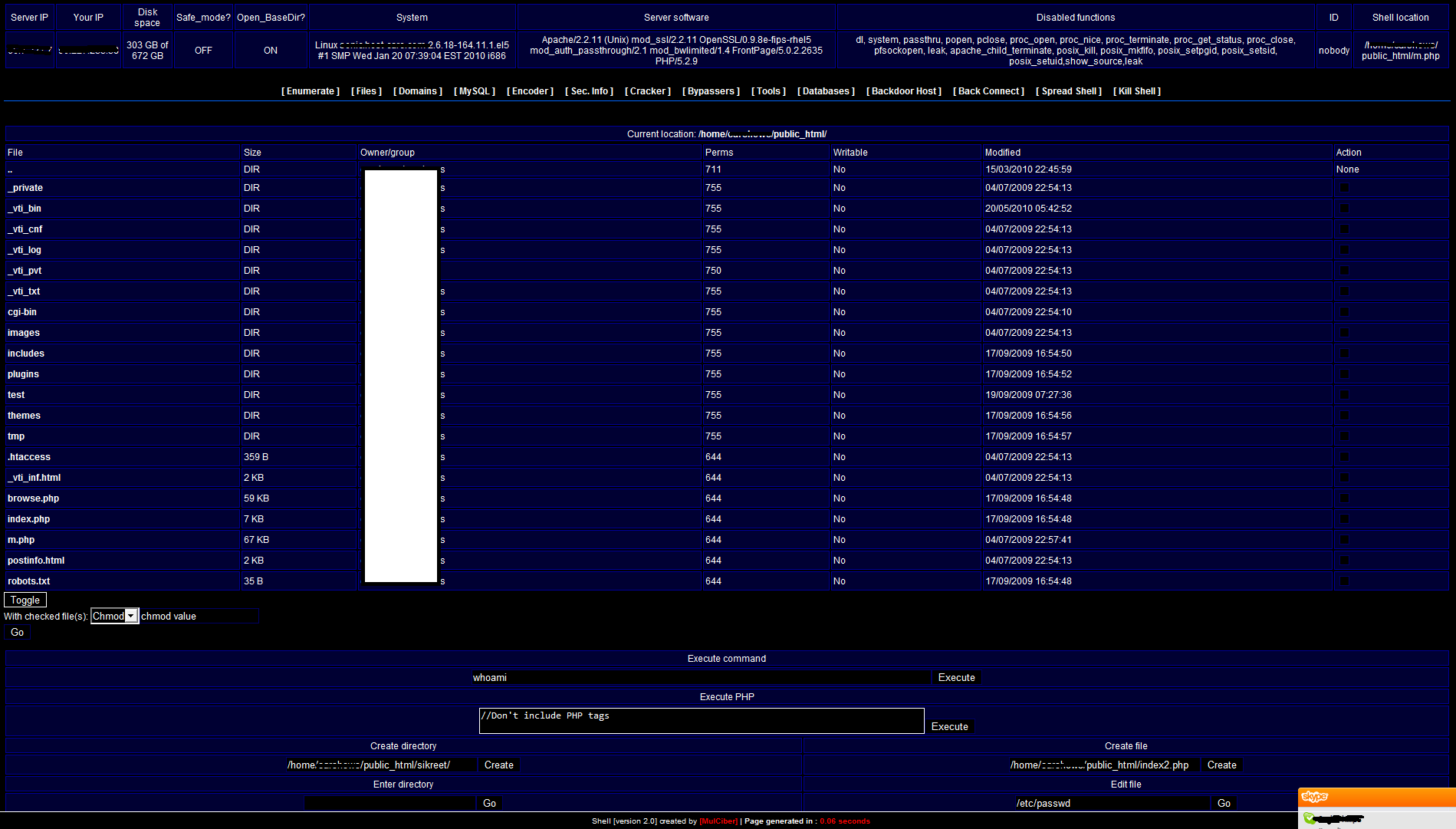
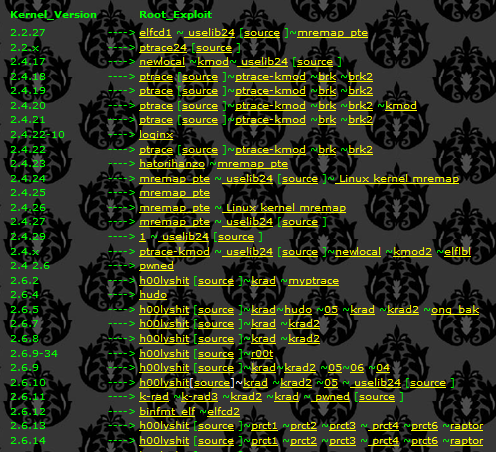
But guess what? Those days are long gone. Websites got smarter and started using frameworks that weren’t completely crappy, and they fixed those infamous security vulnerabilities. And the real prizes, like credit card numbers and passwords, started getting encrypted. So even if you managed to hack, you’d be looking at a bunch of gibberish that would take forever to crack without the decryption keys.
Vulnerabilities
So what’s a new hacker to do? You need to learn the basics. Hacking, at its core, is about finding and exploiting vulnerabilities. Every system, no matter how well it’s built, has cracks. Those cracks are vulnerabilities, and they exist because nothing is perfect.
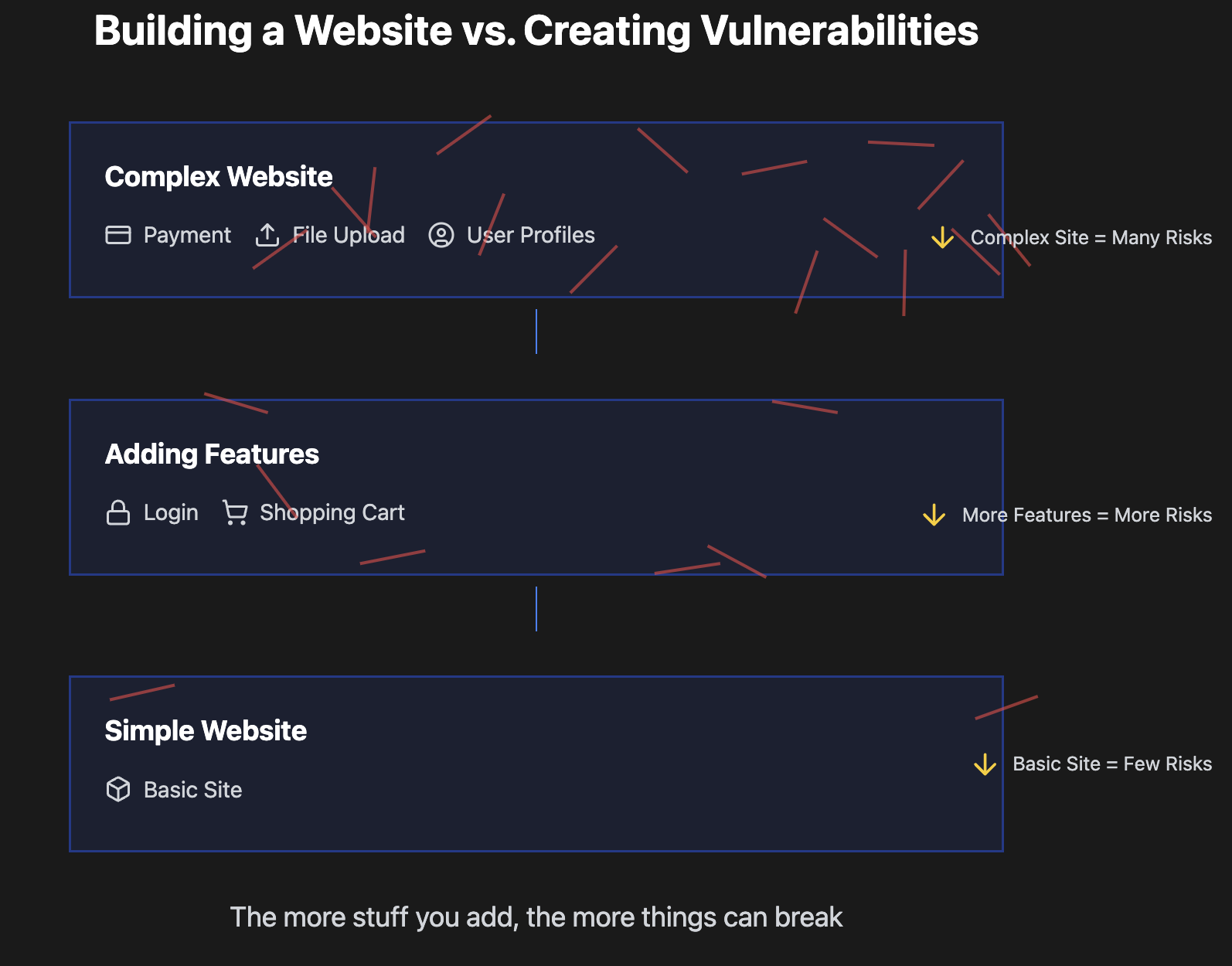
As developers add features and complexity, the chances of introducing bugs increase dramatically. These bugs can be anything from a minor glitch to a gaping security hole.
Take SQL injection. This is a classic vulnerability where an attacker can inject malicious SQL into an application’s database queries. If the application doesn’t properly sanitize user input (and many don’t), the attacker can manipulate these queries to do all sorts of nasty things, like dump the entire database or even take over the server.
The best part is that these vulnerabilities can be strung together to create a symphony of destruction. Let me give you an example:
You find a broken search function on a company’s website. It’s vulnerable to SQL injection. After a little digging, you extract the session cookies of the admin user from the database. These aren’t just cookies – they’re your VIP pass to their internal admin panel.
Using these stolen cookies, you waltz right into their admin panel. And what do you find? A file upload function for product images. But these idiots didn't check the file types properly. So instead of uploading cat photos, you upload a dodgy PHP web wrapper disguised as an image.
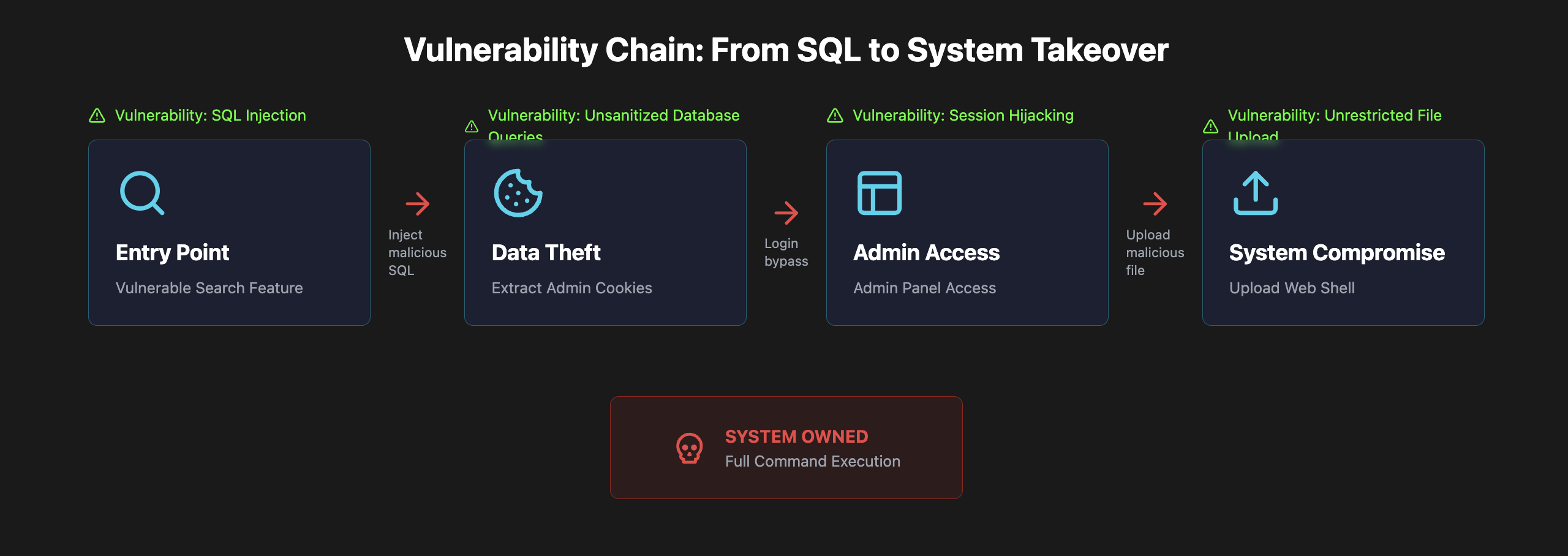
Game over. That innocent looking image is a backdoor that gives you full command execution on their server. From there you can go deeper into their network, escalate privileges, or just destroy their entire system. This is actually from my personal experience, lol.
This isn't some Hollywood fantasy - it's a real example of how one tiny crack (SQL injection) can lead to a complete compromise of the system. Each vulnerability is a stepping stone that leads you deeper into the bowels of the target.
Bug hunting
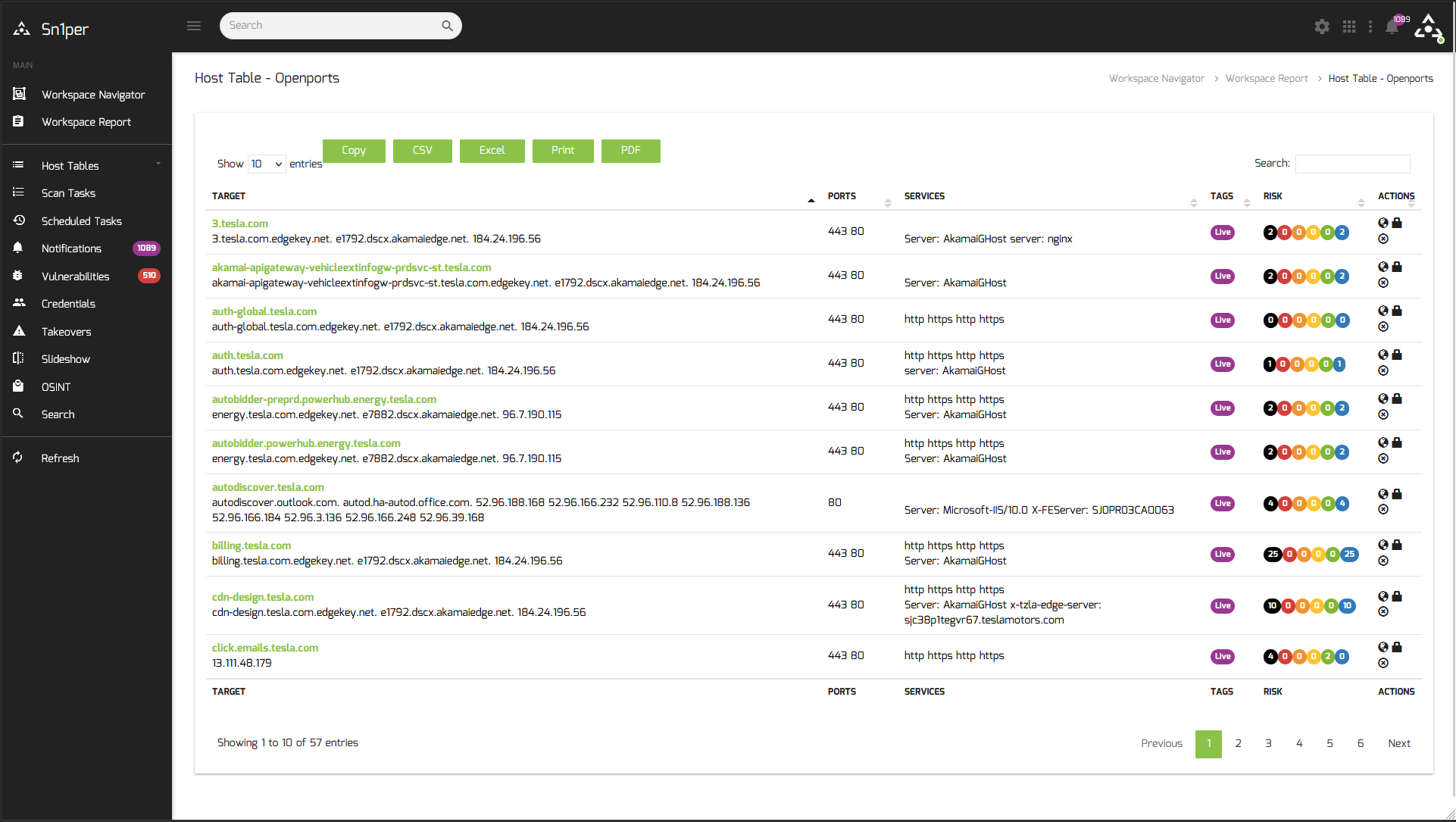
In 2025, hacking is less about targeting specific sites and more about finding vulnerabilities on a large scale. It’s like looking for a needle in a haystack, except the haystack is the entire internet. That’s where bug hunting comes into play, and one tool has become indispensable for it: Nuclei.
Nuclei: A Scanning Swiss Army Knife for Vulnerability Testing
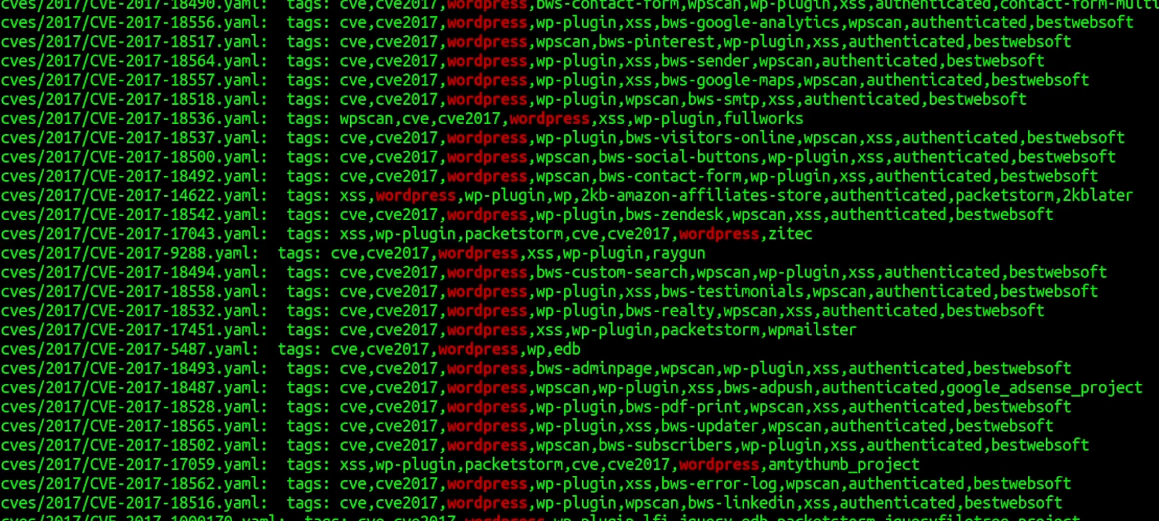
Think of Nuclei as your automated vulnerability scout. It’s an open-source tool that lets you identify specific vulnerabilities you’re looking for, then scan a bunch of targets to see if they’re vulnerable. It’s like having an army of robots checking every door in every house in the world to see which ones aren’t locked.

The beauty of Nuclei is its simplicity and reliance on templates. These templates describe how to detect a specific vulnerability. It’s like writing a recipe for finding a specific flaw.
Nuclei Templates: Recipes for Exploits
Each Nuclei template is a YAML file that contains:

Here is a simplified example of a nucleic acid template that checks for SQL injection vulnerabilities by testing common SQL injection payloads against parameters:
This template sends SQL injection payloads to a parameter named “id,” then looks for common SQL error messages or specific HTTP status codes that might indicate a successful injection. It tests multiple payloads and considers them vulnerable if any of the matching conditions are met.
How Nuclei Enhances Bug Hunting
What makes Nuclei a boon to hackers is its ability to quickly adapt to the latest vulnerabilities. As soon as a new exploit appears, the community immediately steps in to create a Nuclei template for it. This means you can start scanning vulnerable systems almost immediately after a new vulnerability is discovered.
For example, let’s say a new vulnerability is discovered in a popular WordPress plugin. Within a few hours, someone will likely have created a Nuclei template to detect it. You can then take that template, add it to your arsenal, and start scanning the network for vulnerable sites.

This mass scanning approach is bullshit. Instead of painstakingly checking individual sites, we can cast a wide net, identify a large number of potentially vulnerable targets, and then focus our efforts on the most promising ones. It’s about efficiency, and time is money in this game.
You’ll also need to understand dorks. These are specific search queries you can run in Google, Shodan or FOFA that can find vulnerable systems or sensitive information. For example, a dork might show websites running a specific version of software with a known vulnerability. I’ve covered a few here: Carding/Hacking Tricks: Diving into the Digital Dump with Google Dorks.
Card Cracking
Now for the fun part: getting credit card numbers. There are a few ways to do this, and none of them are a walk in the park.
Juicy Databases
First, you could try to find stores that actually store credit card numbers in their databases. But here’s the thing: most modern sites don’t do that anymore. They use managed software like WooCommerce, Shopify or Magento that tokenizes and securely transmits card data to the payment processor via a secure iframe during checkout (think Stripe Elements, Authorize.Net, Adyen, etc.).

Why? Because storing credit card numbers is a huge pain in the ass. It’s a huge security risk, and it makes you subject to all sorts of regulations like PCI DSS. Trust me, no sane store owner wants that headache. So what you’re left with are dinosaur-era e-commerce sites that still store card numbers in their databases.
So how do you know if a site is storing card numbers? Look for signs that they’re using their own e-commerce platform. Check the source code for clues, look for unique checkout flows, and try to identify the payment gateway they’re using. This isn’t a guarantee of security, but it’s a start.
Even if they do store cards, they’re usually encrypted. But don’t lose hope just yet. Since these cards are stored for future use (subscriptions, recurring payments, etc.), the application needs to have access to the decryption keys. A skilled hacker can find and use these keys to decrypt the card data.
Sniffers
Even if a site doesn't store cards in its database, they are still useful to carders, as you can always inject sniffer scripts. This involves injecting malicious scripts into a website's checkout page to capture credit card details entered by unsuspecting customers. It's like a digital pickpocket stealing card numbers silently without the victim even knowing.

This method is often associated with Magecart attacks, which are becoming increasingly common. These attacks typically target e-commerce platforms, particularly Magento, and involve injecting malicious JavaScript code into the checkout process.
There are two main approaches to implementing sniffers on e-commerce sites:
1. JavaScript sniffers: These are hidden scripts injected directly into the checkout page that capture card details as they are entered. They are harder to detect because they do not interfere with the normal payment flow. The downside? Modern security features like CSP (Content Security Policy) can make them more difficult to implement.
2. Plugins/phishing sniffers: If you have admin access to a platform like WooCommerce, you can install a malicious payment plugin. This replaces the legitimate payment form with your own, captures the card details, and then seamlessly redirects you back to the real checkout page. Less elegant than JS sniffers, but sometimes this is your only option when dealing with blocked sites.

I have written a detailed guide on how to implement both types of sniffers, with code examples and stealth techniques. You can find it here: Self-Contained Carder: Your First CC-Sniffer.
The key to a successful sniffer is not only to install it, but also to keep it undetected. You need to:
There are all sorts of tricks to make these sniffers hard to detect. You can obfuscate the code using encoding or even embed the script in a legitimate third-party library. But we’ll talk about that later.
The Human Element
These days, systems are locked down tighter than a crab’s ass, so hackers go after the weakest link: people, duh. Social engineering and buying access to corporate platforms via logs have become major attack vectors.
You don’t have to be an elite coder to succeed in this game. Hell, if you can talk your grandma into giving you her secret cookie recipe, you’ve got a chance. Sometimes, a word can be worth more than a thousand lines of code. A well-planned ruse can be worth more than a zero-day exploit these days. So where should a budding hacker start?

Well, hacker groups are all over Discord and Telegram trying to get into a company’s systems. They’re not just looking for code vulnerabilities; they’re hunting for logs or other things that will give them access. They explore the company — its sites, its dashboards, its subdomains — then comb through the logs for logins. Once they’ve got their foot in the door, they change course. Sometimes they’ll talk other employees into playing on human weaknesses or swap SIM cards to get into their email. Other times, they’ll find vulnerabilities in the internal network. It’s a hell of a mess, but you know what? It works.

Remember that most security efforts are focused on customer-facing products. Developers often assume that their internal tools are safe because they are not publicly available. This is a big mistake. Groups like Lapsus$ have shown how devastating these attacks can be, gaining access to large companies like Microsoft and Okta through compromised employee accounts. It’s like walking in through the front door because some idiot left it unlocked.
Ransomware Ransomware
is another lucrative avenue, and it often ties into the previous point about gaining access through social engineering or logs. Instead of going after small targets, ransomware groups target entire companies. They encrypt the company’s data and demand a hefty ransom for its release and a promise not to disclose it to the public.
These groups often operate on a partnership model, where individuals or small groups gain access to a company’s network and then deploy the ransomware. The profits are then split between the affiliate and the ransomware operators.

Now, if you're going to go down this path, at least have some morals. Don't target hospitals, schools, or other essential services.
More Resources
Here are some resources to get you started:
This is just a quick appetizer. We’ll dive deeper into specific topics in future installments of this series. And when I say deep, I mean it.
It’s Not Easy, But It’s Possible
Hacking in 2025 is no walk in the park. It takes skill, patience, and a ton of persistence. But if you’re willing to put in the work, learn the ropes, and stay one step ahead, you can still make money. Just remember, it’s a constant game of cat and mouse. Defenders are always adapting, and so should you. As this series continues, I’ll help you go from being a script kiddie to someone with enough skills to hack your first website.

So, are you ready to up your game? Or are you going to remain a script kiddie forever? The choice is yours.
(c) Telegram: d0ctrine
So yes, I know a thing or two about hacking websites. But let’s get one thing straight: hacking in 2025 is no walk in the park, especially if you want to get into carding. But since you’re here and obviously too lazy to do your own research, let’s talk about hacking in 2025. This will be a quick overview of hacking in a new series where we focus on all things hacking.
Forget those Hollywood fantasies of hacking as some quick keystroke with a green code cascading down the screen. These days it’s a grind, a constant chess game against ever-improving security. But for those with the guts, the wits, and the sheer courage to take what they want, there’s still loot to be had.
Hacking: The Good Old Days (They’re Gone)
First, let’s be realistic. We’re not in the early 2000s anymore. Back then, hacking was kid’s play. Websites were held together with duct tape and prayers, running on ancient PHP and MySQL full of holes. Hacking was like taking candy from a child.
You could fire up Havij, point it at a site, and boom! Databases overflow with credit card numbers. Or you could hack a WHMCS installation and suddenly have keys to thousands of sites. Those were the glory days. Easy pickings.
But guess what? Those days are long gone. Websites got smarter and started using frameworks that weren’t completely crappy, and they fixed those infamous security vulnerabilities. And the real prizes, like credit card numbers and passwords, started getting encrypted. So even if you managed to hack, you’d be looking at a bunch of gibberish that would take forever to crack without the decryption keys.
Vulnerabilities
So what’s a new hacker to do? You need to learn the basics. Hacking, at its core, is about finding and exploiting vulnerabilities. Every system, no matter how well it’s built, has cracks. Those cracks are vulnerabilities, and they exist because nothing is perfect.
As developers add features and complexity, the chances of introducing bugs increase dramatically. These bugs can be anything from a minor glitch to a gaping security hole.
Take SQL injection. This is a classic vulnerability where an attacker can inject malicious SQL into an application’s database queries. If the application doesn’t properly sanitize user input (and many don’t), the attacker can manipulate these queries to do all sorts of nasty things, like dump the entire database or even take over the server.
The best part is that these vulnerabilities can be strung together to create a symphony of destruction. Let me give you an example:
You find a broken search function on a company’s website. It’s vulnerable to SQL injection. After a little digging, you extract the session cookies of the admin user from the database. These aren’t just cookies – they’re your VIP pass to their internal admin panel.
Using these stolen cookies, you waltz right into their admin panel. And what do you find? A file upload function for product images. But these idiots didn't check the file types properly. So instead of uploading cat photos, you upload a dodgy PHP web wrapper disguised as an image.
Game over. That innocent looking image is a backdoor that gives you full command execution on their server. From there you can go deeper into their network, escalate privileges, or just destroy their entire system. This is actually from my personal experience, lol.
This isn't some Hollywood fantasy - it's a real example of how one tiny crack (SQL injection) can lead to a complete compromise of the system. Each vulnerability is a stepping stone that leads you deeper into the bowels of the target.
Bug hunting
In 2025, hacking is less about targeting specific sites and more about finding vulnerabilities on a large scale. It’s like looking for a needle in a haystack, except the haystack is the entire internet. That’s where bug hunting comes into play, and one tool has become indispensable for it: Nuclei.
Nuclei: A Scanning Swiss Army Knife for Vulnerability Testing
Think of Nuclei as your automated vulnerability scout. It’s an open-source tool that lets you identify specific vulnerabilities you’re looking for, then scan a bunch of targets to see if they’re vulnerable. It’s like having an army of robots checking every door in every house in the world to see which ones aren’t locked.
The beauty of Nuclei is its simplicity and reliance on templates. These templates describe how to detect a specific vulnerability. It’s like writing a recipe for finding a specific flaw.
Nuclei Templates: Recipes for Exploits
Each Nuclei template is a YAML file that contains:
- Metadata: Information about the vulnerability, such as its name, severity, and description.
- Request: The HTTP request(s) needed to test the vulnerability. This is where you define what to send to the target.
- Matches: Rules for determining the vulnerability of a target based on the response. This is where you define what to look for in the response to confirm a vulnerability.
Here is a simplified example of a nucleic acid template that checks for SQL injection vulnerabilities by testing common SQL injection payloads against parameters:
YAML:
id: sql-injection-test
info:
name: Basic SQL Injection Test
author: d0ctrine
severity: high
description: Tests for SQL injection vulnerabilities using common payloads
tags: sql,injection,vulnerability
requests:
- method: GET
 path:
- "{{BaseURL}}/page.php?id={{payload}}"
 payloads:
 payload:
- "1' OR '1'='1"
- "1 UNION SELECT null,null--"
- "1' AND 1=1--"
- "' OR '1'='1"
matchers-condition: or
 matchers:
- type: word
 words:
- "SQL syntax"
- "mysql_fetch_array"
- "ORA-01756"
- "SQLite3::query"
condition: or
- type: status
 status:
- 500
- 503
This template sends SQL injection payloads to a parameter named “id,” then looks for common SQL error messages or specific HTTP status codes that might indicate a successful injection. It tests multiple payloads and considers them vulnerable if any of the matching conditions are met.
How Nuclei Enhances Bug Hunting
What makes Nuclei a boon to hackers is its ability to quickly adapt to the latest vulnerabilities. As soon as a new exploit appears, the community immediately steps in to create a Nuclei template for it. This means you can start scanning vulnerable systems almost immediately after a new vulnerability is discovered.
For example, let’s say a new vulnerability is discovered in a popular WordPress plugin. Within a few hours, someone will likely have created a Nuclei template to detect it. You can then take that template, add it to your arsenal, and start scanning the network for vulnerable sites.
This mass scanning approach is bullshit. Instead of painstakingly checking individual sites, we can cast a wide net, identify a large number of potentially vulnerable targets, and then focus our efforts on the most promising ones. It’s about efficiency, and time is money in this game.
You’ll also need to understand dorks. These are specific search queries you can run in Google, Shodan or FOFA that can find vulnerable systems or sensitive information. For example, a dork might show websites running a specific version of software with a known vulnerability. I’ve covered a few here: Carding/Hacking Tricks: Diving into the Digital Dump with Google Dorks.
Card Cracking
Now for the fun part: getting credit card numbers. There are a few ways to do this, and none of them are a walk in the park.
Juicy Databases
First, you could try to find stores that actually store credit card numbers in their databases. But here’s the thing: most modern sites don’t do that anymore. They use managed software like WooCommerce, Shopify or Magento that tokenizes and securely transmits card data to the payment processor via a secure iframe during checkout (think Stripe Elements, Authorize.Net, Adyen, etc.).
Why? Because storing credit card numbers is a huge pain in the ass. It’s a huge security risk, and it makes you subject to all sorts of regulations like PCI DSS. Trust me, no sane store owner wants that headache. So what you’re left with are dinosaur-era e-commerce sites that still store card numbers in their databases.
So how do you know if a site is storing card numbers? Look for signs that they’re using their own e-commerce platform. Check the source code for clues, look for unique checkout flows, and try to identify the payment gateway they’re using. This isn’t a guarantee of security, but it’s a start.
Even if they do store cards, they’re usually encrypted. But don’t lose hope just yet. Since these cards are stored for future use (subscriptions, recurring payments, etc.), the application needs to have access to the decryption keys. A skilled hacker can find and use these keys to decrypt the card data.
Sniffers
Even if a site doesn't store cards in its database, they are still useful to carders, as you can always inject sniffer scripts. This involves injecting malicious scripts into a website's checkout page to capture credit card details entered by unsuspecting customers. It's like a digital pickpocket stealing card numbers silently without the victim even knowing.
This method is often associated with Magecart attacks, which are becoming increasingly common. These attacks typically target e-commerce platforms, particularly Magento, and involve injecting malicious JavaScript code into the checkout process.
There are two main approaches to implementing sniffers on e-commerce sites:
1. JavaScript sniffers: These are hidden scripts injected directly into the checkout page that capture card details as they are entered. They are harder to detect because they do not interfere with the normal payment flow. The downside? Modern security features like CSP (Content Security Policy) can make them more difficult to implement.
2. Plugins/phishing sniffers: If you have admin access to a platform like WooCommerce, you can install a malicious payment plugin. This replaces the legitimate payment form with your own, captures the card details, and then seamlessly redirects you back to the real checkout page. Less elegant than JS sniffers, but sometimes this is your only option when dealing with blocked sites.
I have written a detailed guide on how to implement both types of sniffers, with code examples and stealth techniques. You can find it here: Self-Contained Carder: Your First CC-Sniffer.
The key to a successful sniffer is not only to install it, but also to keep it undetected. You need to:
- Encrypt all stolen data before it leaks
- Hide your malicious code
- Use legitimate looking domain names to collect data
- Integrate your scripts with your site's regular functionality
There are all sorts of tricks to make these sniffers hard to detect. You can obfuscate the code using encoding or even embed the script in a legitimate third-party library. But we’ll talk about that later.
The Human Element
These days, systems are locked down tighter than a crab’s ass, so hackers go after the weakest link: people, duh. Social engineering and buying access to corporate platforms via logs have become major attack vectors.
You don’t have to be an elite coder to succeed in this game. Hell, if you can talk your grandma into giving you her secret cookie recipe, you’ve got a chance. Sometimes, a word can be worth more than a thousand lines of code. A well-planned ruse can be worth more than a zero-day exploit these days. So where should a budding hacker start?
Well, hacker groups are all over Discord and Telegram trying to get into a company’s systems. They’re not just looking for code vulnerabilities; they’re hunting for logs or other things that will give them access. They explore the company — its sites, its dashboards, its subdomains — then comb through the logs for logins. Once they’ve got their foot in the door, they change course. Sometimes they’ll talk other employees into playing on human weaknesses or swap SIM cards to get into their email. Other times, they’ll find vulnerabilities in the internal network. It’s a hell of a mess, but you know what? It works.
Remember that most security efforts are focused on customer-facing products. Developers often assume that their internal tools are safe because they are not publicly available. This is a big mistake. Groups like Lapsus$ have shown how devastating these attacks can be, gaining access to large companies like Microsoft and Okta through compromised employee accounts. It’s like walking in through the front door because some idiot left it unlocked.
Ransomware Ransomware
is another lucrative avenue, and it often ties into the previous point about gaining access through social engineering or logs. Instead of going after small targets, ransomware groups target entire companies. They encrypt the company’s data and demand a hefty ransom for its release and a promise not to disclose it to the public.
These groups often operate on a partnership model, where individuals or small groups gain access to a company’s network and then deploy the ransomware. The profits are then split between the affiliate and the ransomware operators.
Now, if you're going to go down this path, at least have some morals. Don't target hospitals, schools, or other essential services.
More Resources
Here are some resources to get you started:
- FUCKING GOAT:
- https://book.hacktricks.xyz/ (HackTricks - The Complete Penetration Testing Bible)
- Vulnerability databases:
- https://nvd.nist.gov/ (National Vulnerability Database)
- https://www.exploit-db.com/
- https://cve.mitre.org/
- https://vuldb.com/
- https://www.rapid7.com/db/ (Rapid7 Vulnerability Database)
- Main tools:
- https://portswigger.net/burp (Burp Suite - Web Security Testing)
- https://github.com/sqlmapproject/sqlmap (SQLMap - SQL injections)
- https://www.metasploit.com/ (Metasploit framework)
- https://www.kali.org/ (Kali Linux - OS for pentesting)
- https://www.wireshark.org/ (Network Protocol Analyzer)
- https://nmap.org/ (Network scanner)
- https://github.com/OWASP/ZAP (OWASP ZAP - Web Application Scanner)
- Scanning and reconnaissance:
- https://www.shodan.io/ (Internet of Things search engine)
- https://fofa.info/
- https://github.com/projectdiscovery/nuclei
- https://censys.io/
- https://github.com/ffuf/ffuf (fast web fuzzer)
- https://github.com/projectdiscovery/subfinder (Subdomain discovery)
- Learning platforms:
This is just a quick appetizer. We’ll dive deeper into specific topics in future installments of this series. And when I say deep, I mean it.
It’s Not Easy, But It’s Possible
Hacking in 2025 is no walk in the park. It takes skill, patience, and a ton of persistence. But if you’re willing to put in the work, learn the ropes, and stay one step ahead, you can still make money. Just remember, it’s a constant game of cat and mouse. Defenders are always adapting, and so should you. As this series continues, I’ll help you go from being a script kiddie to someone with enough skills to hack your first website.
So, are you ready to up your game? Or are you going to remain a script kiddie forever? The choice is yours.
(c) Telegram: d0ctrine
 hp" + "Magento" that spit back full admin logins, or "filetype:log intext:CVV" for lazy shops logging checkouts raw. FOFA's my go-to for geo-locked hunts too; query "app='woocommerce' && port='443' && country='UA'" nets you Eastern Euro stragglers still on 5.x versions, ripe for those DOM XSS in the cart JS you mentioned.