


Have you ever tried to hack a website with your best cards and settings, but the thing just won’t budge? Or maybe your cards have burned to the ground — payment processors have flagged and blacklisted you. Pretty damn annoying, right?
Well, there’s a sneaky little backdoor that most of you overlook: in-app purchases. These mobile money-makers operate on a different payment rail than regular web transactions, opening up a whole new world of possibilities. This guide will show you how to use in-app purchases to breathe new life into those “dead” cards and bypass the usual processor locks.
Reminder: This is a very specific feature that only works on platforms that support in-app purchases, but once you get the hang of it, it can be incredibly powerful.
Security Imbalance
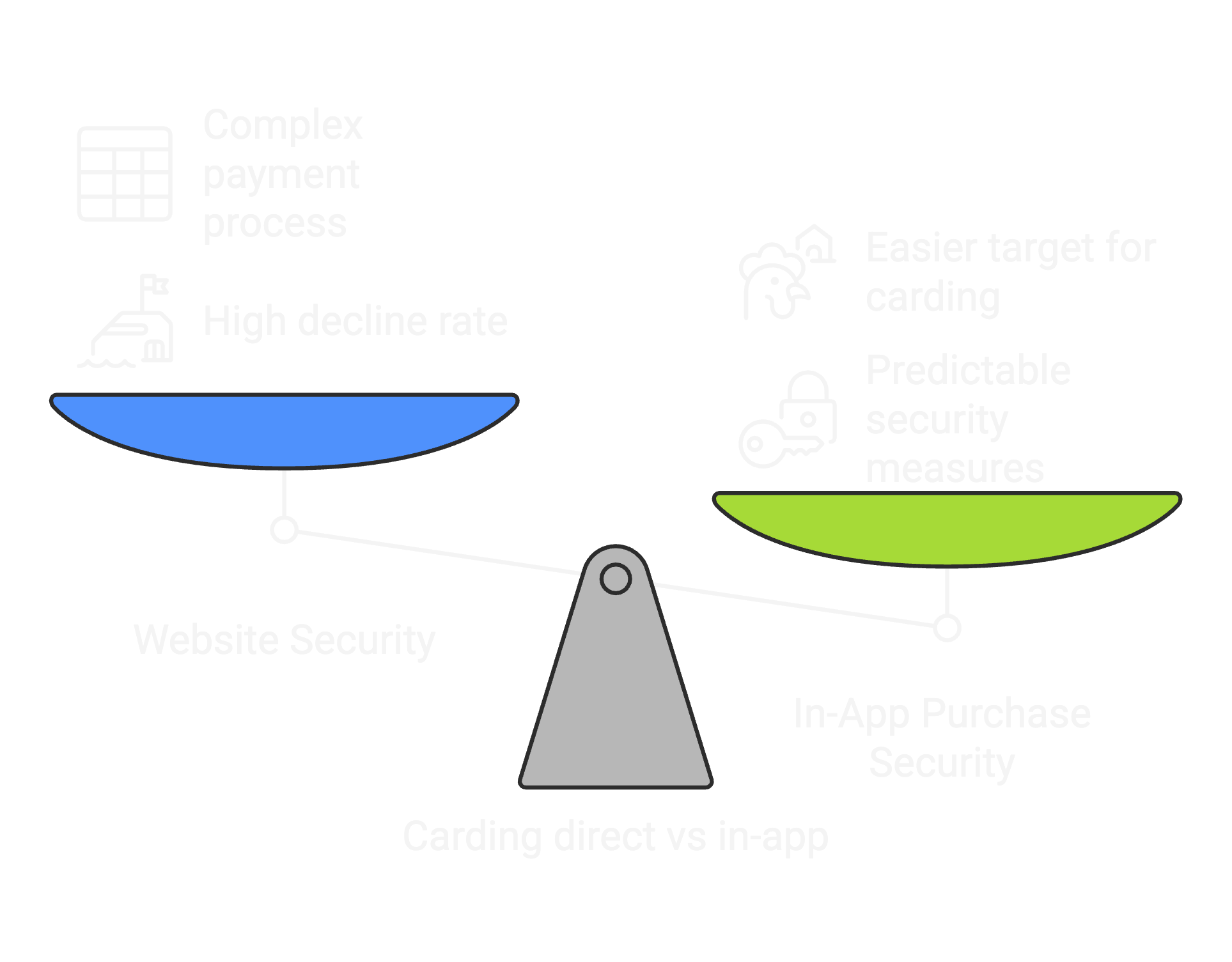
Let’s talk about security imbalance — when a company’s web transactions are secure, but its in-app purchases are as protected as a dollar store lock.
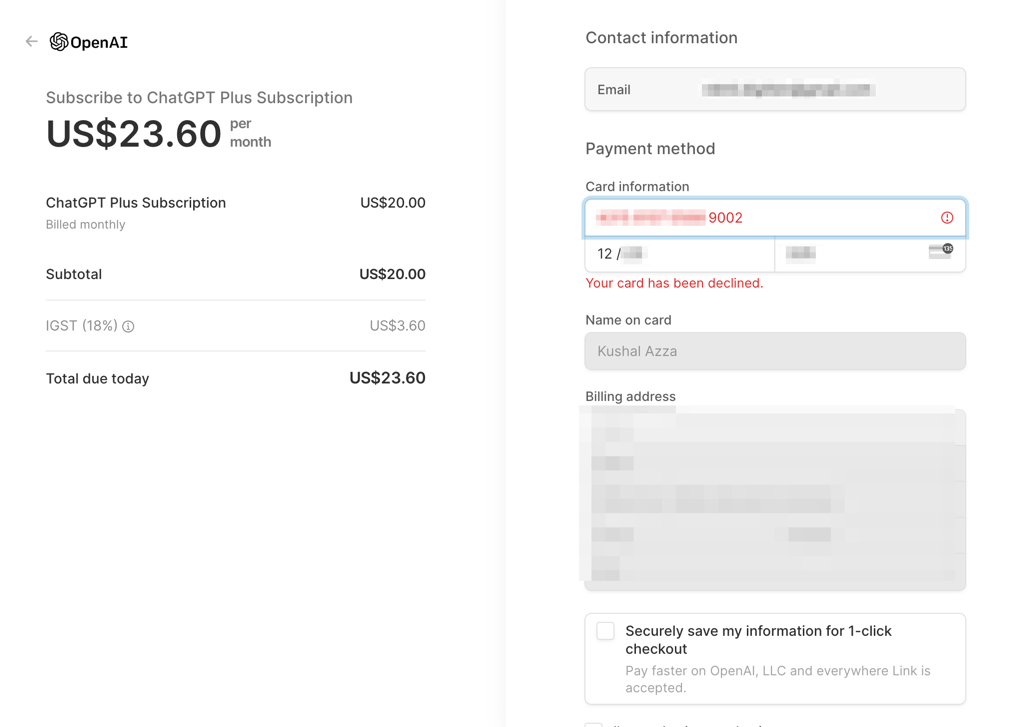
Take ChatGPT, for example. Their web payments go through Stripe, which has recently become aggressive in its fraud detection. Stripe Radar has gone crazy in recent months, blocking legitimate transactions and treating every card as if it were radioactive. For carders working with cheap junk cards, getting paid is about as likely as finding a unicorn in your backyard.
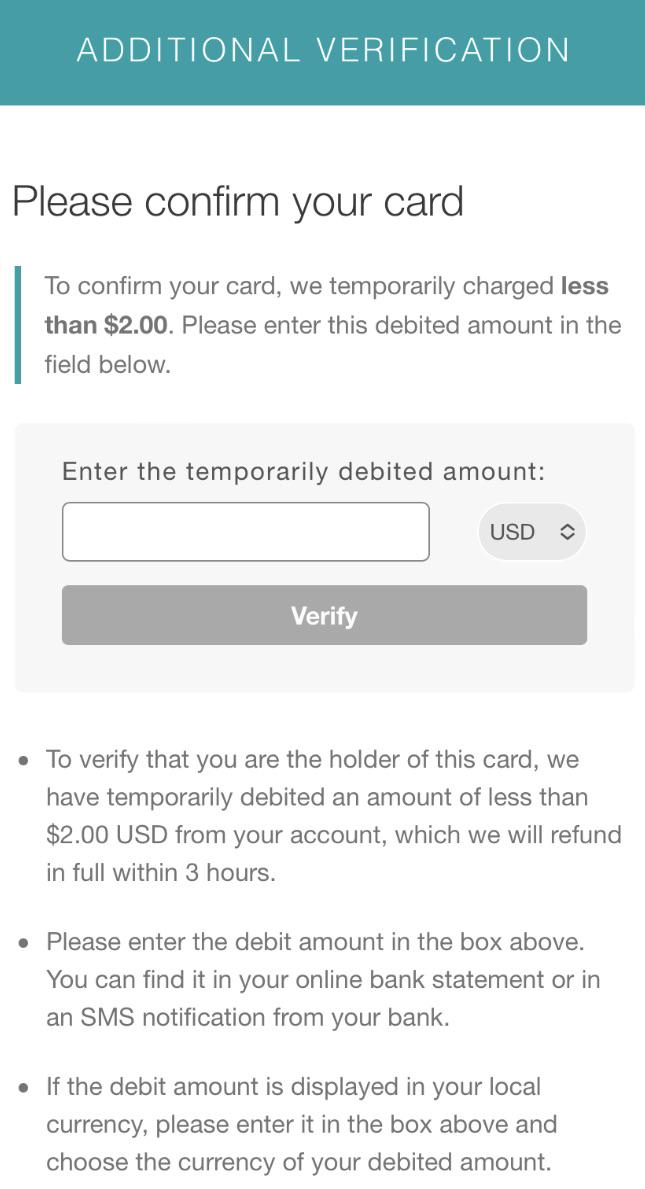
Or look at Roblox - they use XSolla or Stripe for web payments. XSolla requires a fee for registration and card verification. But here's where it gets interesting: these same companies also have mobile apps where you can buy the same things.
Look at how most companies invest resources into securing their main website payments, treating them like their firstborn. But the security of their in-app purchases? That shit is completely outsourced to Google and Apple's app stores. Once you figure out the quirks of Play Store and App Store payments, you essentially have the master key to paying for everything these companies sell through their apps. It's like finding a secret tunnel that bypasses all their fancy website security.
Don't get me wrong - the app stores aren't exactly open. Apple and Google have their own security measures that can be a pain in the ass. But when you're banging your head against the wall trying to get Roblox credits with your resold $2 cards and getting nothing on the main site, even the slightly easier target through in-app purchases looks like a fucking oasis in the desert.
This security imbalance creates opportunity. While everyone else is banging their head against a brick wall, you'll be slipping through the side door of in-app purchases.
iPhone vs. Android
Not all stores are created equal, and these two smartphones differ greatly in terms of security.
Apple App Store
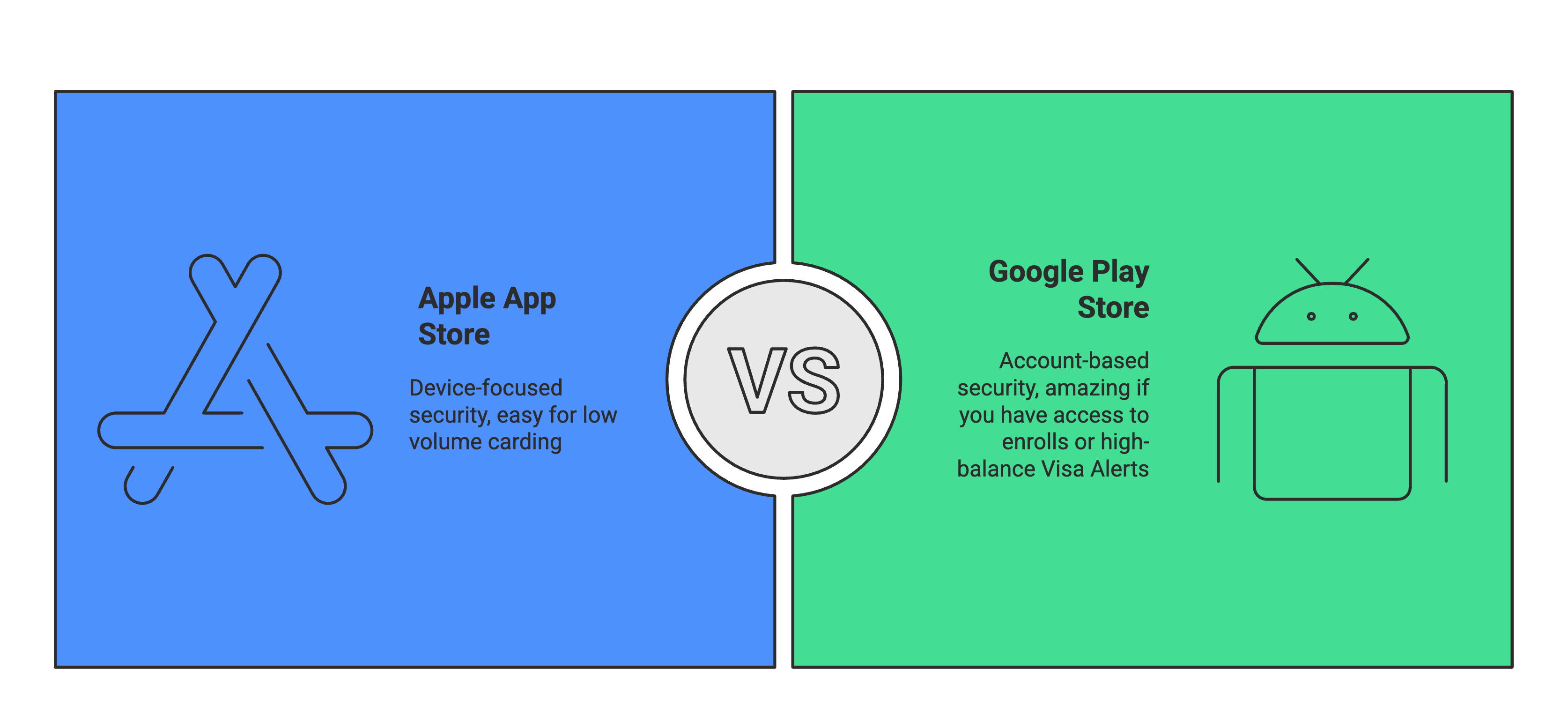
Apple’s security is device-centric — they monitor and flag suspicious patterns on individual phones. Make too many purchases on one device, especially large purchases at once, and Apple will block you. Resetting your device can help avoid some flags, but it’s not a magic bullet. The good news? Unless you’re a greedy carder spending $10,000+ a day on one phone, you probably won’t be blacklisted forever. Apple can’t completely block devices from making purchases — imagine the uproar if legitimate customers buying used iPhones couldn’t make purchases from the App Store.
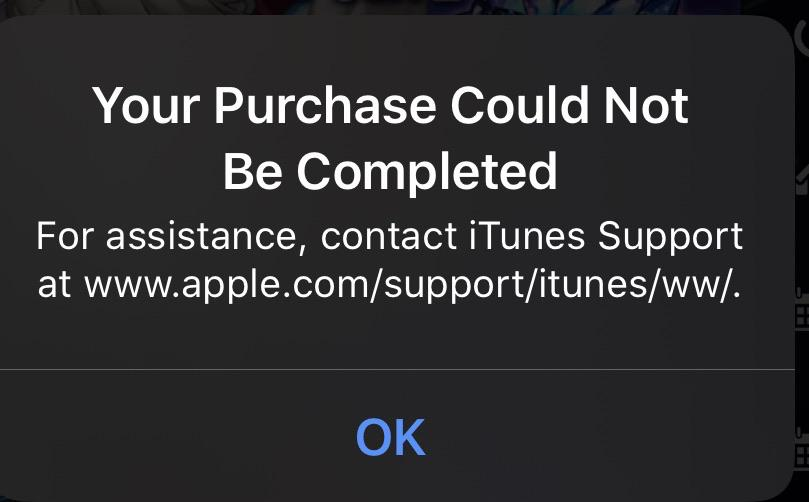
However, if you are moving serious volumes and need more devices, look into the second-hand market. Some crafty guys in China are even stealing cards from phone repair shops, using the devices before flipping them. Smart hustle, and very profitable. But that's only for the big guys; unless you're planning on moving volumes, it's hardly something you should worry about.
Google Play Store
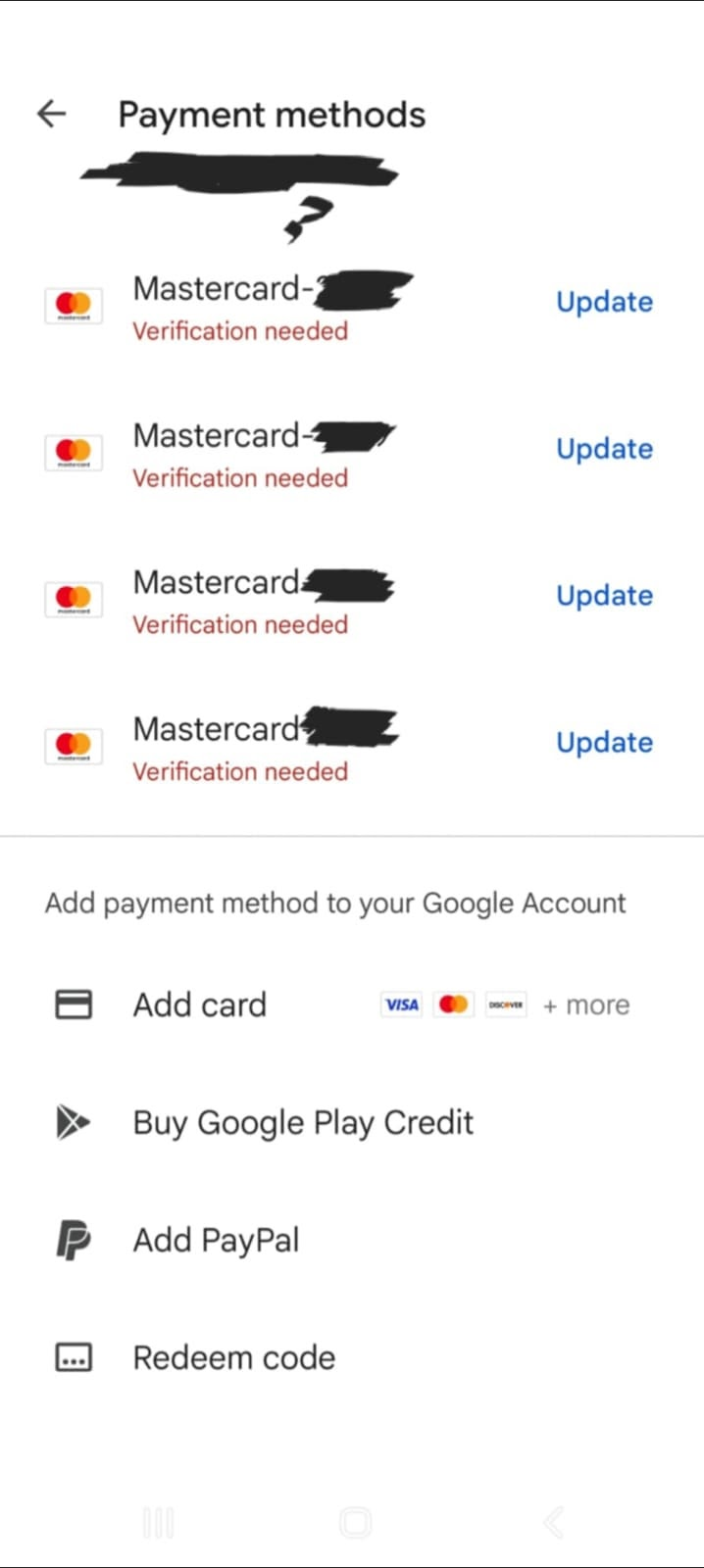
Google is a different beast entirely. They don’t care about devices because Android hardware IDs are so unreliable – one click with the right tools and boom, new device ID. So instead of focusing on the device, they build security into the account itself.
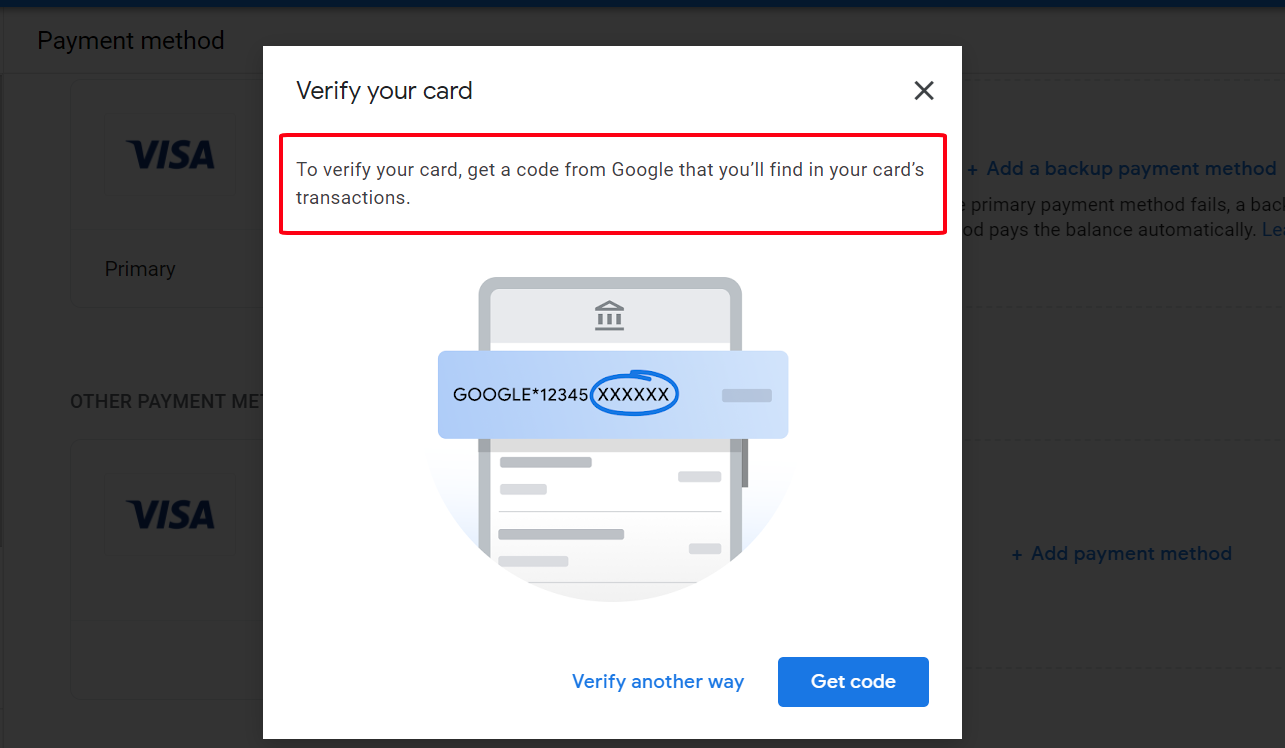
Their payment security comes in two flavors: 3D Secure or mini-payment verification. If you’re planning on hitting the jackpot, sign up for cards with transaction history access (or Visa Alerts cards, although these cards have small balances) and have them thoroughly verified by Google. Once you’re “trusted,” they’ll let you squeeze the most out of those bastards before the security algorithms wake up and start asking questions. Just don’t get cocky – even trusted accounts have limits before Google brings the hammer down.
Personally, I’m a fan of the Apple ecosystem. Why? Because this shit just works. The barrier to entry is so low — grab a new iPhone, format the bitch, create a new Apple ID, and you’re ready to go on a spending spree. As long as your card is healthy, it’ll work without a hitch.
No mini-fees to check or Google trust bullshit to deal with. No account aging requirements or complicated device spoofing. Just a clean phone, a fresh account, and a working card. Simple, efficient, and damn reliable. Sure, you may need to swap out devices more often for high volumes, but that’s a small price to pay for consistent success rates.
Subscriptions and Chargebacks
Another powerful force in the in-game card game is subscriptions. They’re pure gold for both personal use and resale. Why? Because most streaming platforms and subscription services are too lazy to properly implement Apple and Google’s chargeback protocols.
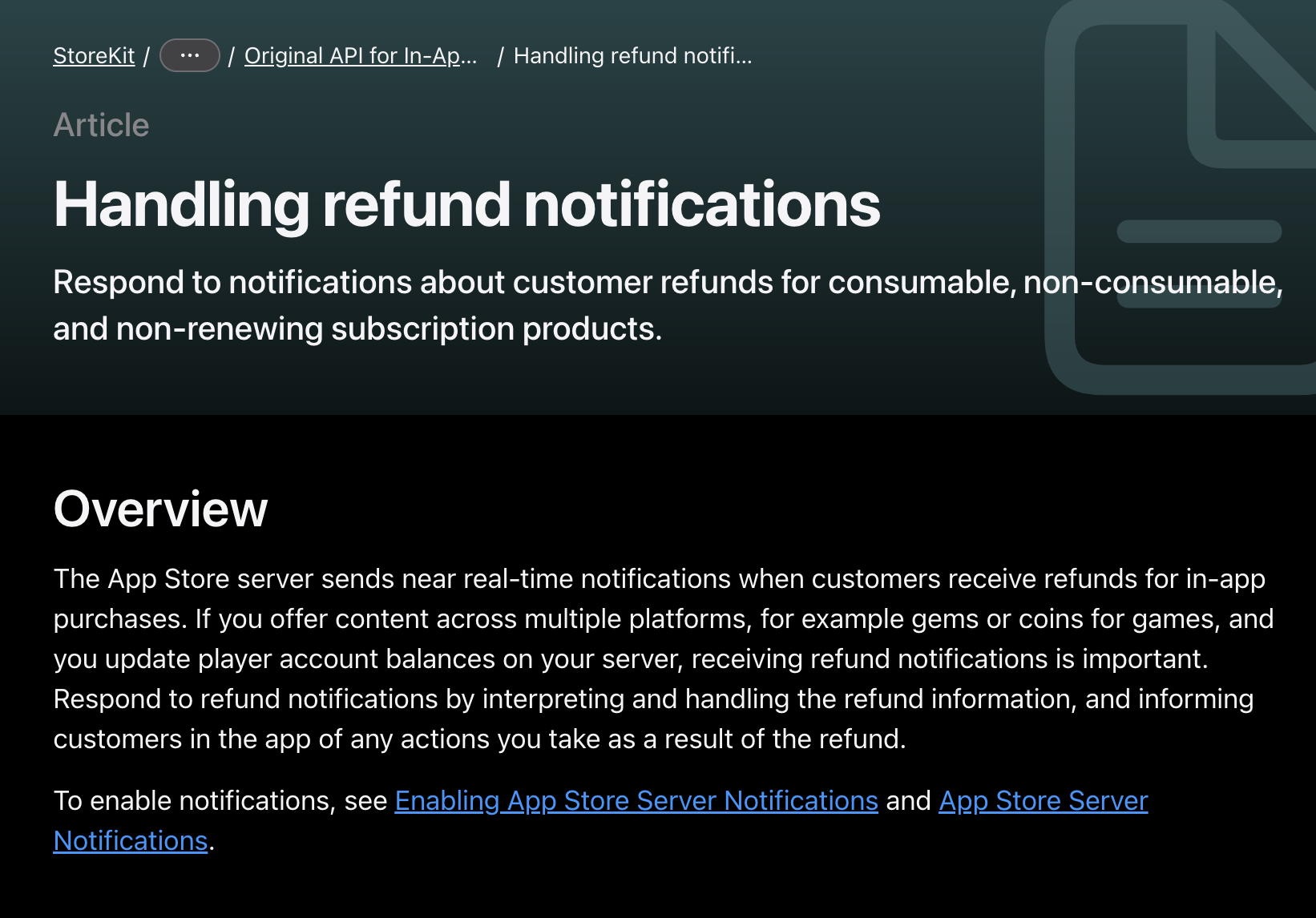
You see, when a chargeback is for an in-app purchase, Apple and Google have merchant notification systems. They provide APIs that allow companies to automatically revoke access when subscriptions are refunded. But companies like HBO, Hulu, Disney+, and others? They do this shit half-heartedly. This is especially true if the chargeback is done through the App Store, since Apple doesn’t really provide a convenient way for companies to know which account was refunded, only which transaction. Their systems are so poorly integrated that even if you pay for a year’s subscription and it’s refunded a week later, your access often remains active for the entire year.
This sloppy implementation is why you see so many “cheap premium accounts” being sold. These sellers aren’t magicians — they’re just selling subscriptions through both the site and in-app purchases and selling them quickly. Even if the cards are refunded, the accounts continue to work.
Streaming platforms are losing money because it would cost more to fix their lousy implementation than the chargebacks.
Conclusion
In-app purchases are your secret weapon when traditional carding hits a wall. While everyone else is banging their heads against hardened web payment systems, you can slip through the backdoors of app stores like a digital ninja. The game isn’t about brute force — it’s about finding and exploiting these security imbalances.
Whether you’re reviving “dead” cards or dodging processor blacklists, in-app purchases open up opportunities that web transactions can’t. Master this theme, and you’ll have a reliable source of income long after others have given up and gone home.
Just remember: greed kills. Keep your volumes reasonable, your devices clean, and your OpSec strong. Smart money isn’t made in one massive strike — it’s built through consistent, sustained exploitation of these overlooked vulnerabilities.
Now get out there and make that app store money.
(c) Telegram: d0ctrine
Our chat in Telegram: BinX Labs
Well, there’s a sneaky little backdoor that most of you overlook: in-app purchases. These mobile money-makers operate on a different payment rail than regular web transactions, opening up a whole new world of possibilities. This guide will show you how to use in-app purchases to breathe new life into those “dead” cards and bypass the usual processor locks.
Reminder: This is a very specific feature that only works on platforms that support in-app purchases, but once you get the hang of it, it can be incredibly powerful.
Security Imbalance
Let’s talk about security imbalance — when a company’s web transactions are secure, but its in-app purchases are as protected as a dollar store lock.
Take ChatGPT, for example. Their web payments go through Stripe, which has recently become aggressive in its fraud detection. Stripe Radar has gone crazy in recent months, blocking legitimate transactions and treating every card as if it were radioactive. For carders working with cheap junk cards, getting paid is about as likely as finding a unicorn in your backyard.
Or look at Roblox - they use XSolla or Stripe for web payments. XSolla requires a fee for registration and card verification. But here's where it gets interesting: these same companies also have mobile apps where you can buy the same things.
Look at how most companies invest resources into securing their main website payments, treating them like their firstborn. But the security of their in-app purchases? That shit is completely outsourced to Google and Apple's app stores. Once you figure out the quirks of Play Store and App Store payments, you essentially have the master key to paying for everything these companies sell through their apps. It's like finding a secret tunnel that bypasses all their fancy website security.
Don't get me wrong - the app stores aren't exactly open. Apple and Google have their own security measures that can be a pain in the ass. But when you're banging your head against the wall trying to get Roblox credits with your resold $2 cards and getting nothing on the main site, even the slightly easier target through in-app purchases looks like a fucking oasis in the desert.
This security imbalance creates opportunity. While everyone else is banging their head against a brick wall, you'll be slipping through the side door of in-app purchases.
iPhone vs. Android
Not all stores are created equal, and these two smartphones differ greatly in terms of security.
Apple App Store
Apple’s security is device-centric — they monitor and flag suspicious patterns on individual phones. Make too many purchases on one device, especially large purchases at once, and Apple will block you. Resetting your device can help avoid some flags, but it’s not a magic bullet. The good news? Unless you’re a greedy carder spending $10,000+ a day on one phone, you probably won’t be blacklisted forever. Apple can’t completely block devices from making purchases — imagine the uproar if legitimate customers buying used iPhones couldn’t make purchases from the App Store.
However, if you are moving serious volumes and need more devices, look into the second-hand market. Some crafty guys in China are even stealing cards from phone repair shops, using the devices before flipping them. Smart hustle, and very profitable. But that's only for the big guys; unless you're planning on moving volumes, it's hardly something you should worry about.
Google Play Store
Google is a different beast entirely. They don’t care about devices because Android hardware IDs are so unreliable – one click with the right tools and boom, new device ID. So instead of focusing on the device, they build security into the account itself.
Their payment security comes in two flavors: 3D Secure or mini-payment verification. If you’re planning on hitting the jackpot, sign up for cards with transaction history access (or Visa Alerts cards, although these cards have small balances) and have them thoroughly verified by Google. Once you’re “trusted,” they’ll let you squeeze the most out of those bastards before the security algorithms wake up and start asking questions. Just don’t get cocky – even trusted accounts have limits before Google brings the hammer down.
Personally, I’m a fan of the Apple ecosystem. Why? Because this shit just works. The barrier to entry is so low — grab a new iPhone, format the bitch, create a new Apple ID, and you’re ready to go on a spending spree. As long as your card is healthy, it’ll work without a hitch.
No mini-fees to check or Google trust bullshit to deal with. No account aging requirements or complicated device spoofing. Just a clean phone, a fresh account, and a working card. Simple, efficient, and damn reliable. Sure, you may need to swap out devices more often for high volumes, but that’s a small price to pay for consistent success rates.
Subscriptions and Chargebacks
Another powerful force in the in-game card game is subscriptions. They’re pure gold for both personal use and resale. Why? Because most streaming platforms and subscription services are too lazy to properly implement Apple and Google’s chargeback protocols.
You see, when a chargeback is for an in-app purchase, Apple and Google have merchant notification systems. They provide APIs that allow companies to automatically revoke access when subscriptions are refunded. But companies like HBO, Hulu, Disney+, and others? They do this shit half-heartedly. This is especially true if the chargeback is done through the App Store, since Apple doesn’t really provide a convenient way for companies to know which account was refunded, only which transaction. Their systems are so poorly integrated that even if you pay for a year’s subscription and it’s refunded a week later, your access often remains active for the entire year.
This sloppy implementation is why you see so many “cheap premium accounts” being sold. These sellers aren’t magicians — they’re just selling subscriptions through both the site and in-app purchases and selling them quickly. Even if the cards are refunded, the accounts continue to work.
Streaming platforms are losing money because it would cost more to fix their lousy implementation than the chargebacks.
Conclusion
In-app purchases are your secret weapon when traditional carding hits a wall. While everyone else is banging their heads against hardened web payment systems, you can slip through the backdoors of app stores like a digital ninja. The game isn’t about brute force — it’s about finding and exploiting these security imbalances.
Whether you’re reviving “dead” cards or dodging processor blacklists, in-app purchases open up opportunities that web transactions can’t. Master this theme, and you’ll have a reliable source of income long after others have given up and gone home.
Just remember: greed kills. Keep your volumes reasonable, your devices clean, and your OpSec strong. Smart money isn’t made in one massive strike — it’s built through consistent, sustained exploitation of these overlooked vulnerabilities.
Now get out there and make that app store money.
(c) Telegram: d0ctrine
Our chat in Telegram: BinX Labs
 The Security Imbalance: Web vs. Mobile
 Apple vs.
  Google: Two Different Playbooks
 The Real Gold: Subscriptions & Resale Markets
 Critical OpSec Reminders