


Let’s talk about one of the most important aspects of carding items – getting your hands on the item itself. About 90% of the time, you need a reliable address to receive your carded items. While private drops are the best option (we’ll cover them in another guide), sometimes you need something quick and dirty. That’s where legitimate reshipping services come in.
What are reshipping services?
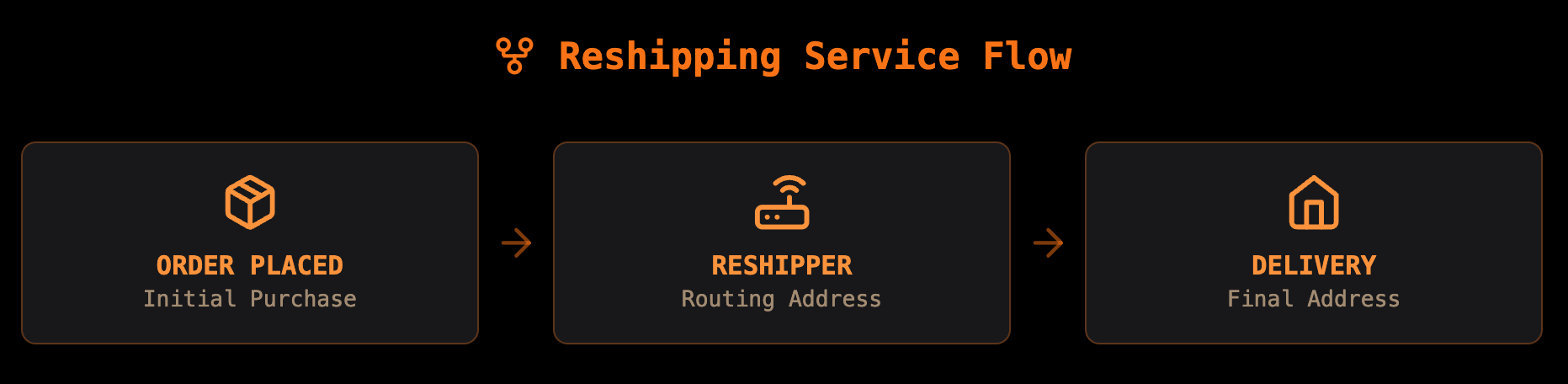
Freight forwarding companies like Reship.com and ShipItTo that market themselves to overseas shoppers? They’re professional middlemen who give customers addresses (mostly in the US, but some offer UK and Canadian addresses) to receive packages from, then forward them internationally and domestically. Think of them as parcel bouncers – they pick up your stuff and ship it wherever you want.
These services exist for international shoppers who want to shop at stores that don’t ship internationally. The customer gets an address in their preferred country, orders their items, the forwarding service picks them up, and ships them wherever they want. Simple.
For us carders, these services are a necessary evil. Because they’re legitimate businesses that handle thousands of packages daily, they add a layer of separation between the carded order and your final destination. The merchant sends the packages to what looks like a regular address, and the forwarding service becomes your unwitting accomplice.
Popular Forwarding Services
Here's a quick overview of some of the major forwarding services and what you need to know about each one:
Who is this ideal for?
These reship services work best if you’re outside of their warehouse country, because their entire business model revolves around international shipping — they exist to help international customers buy from retailers in countries where they don’t have a local address. When 99% of their packages are shipped overseas, domestic shipping stands out like a clown at a funeral.
Think about it: What legitimate customer would want to ship something to a warehouse only to have it forwarded to another address in the same country? That shit doesn’t make any sense. So if you’re trying to ship domestically with these services, it will work with many of them, but it will immediately raise red flags.
But if you’re overseas? You’re just another customer in their system. Your package gets mixed in with all of their regular international shipments.
Now here’s the kicker — some services, like Reship and MyUS, will happily reship your stuff, no questions asked. I’m pretty sure a significant portion of their business comes from carders and referrers, which explains why they’re so… helpful. But the others? Not so much. Take Shipito, for example – they claim to do domestic shipping, but when it comes time to ship your package, they suddenly require seventeen forms of ID and your grandma’s birth certificate. Next thing you know, they’ve frozen your account and your carded items are mysteriously unavailable. The clever middlemen have found a way to profit off both parties – by taking the shipping fee AND keeping the items for themselves. Pretty genius if you ask me, lol!
Understanding How to Use Them
The basic process is simple: order an item, ship it to their warehouse, pay them based on size and weight as well as shipping, and they ship it to your address. But you know me, I like to dive into deep shit, so let’s get to the real details that no one talks about.
Fraud Attack
Delivering packages to reshipment warehouses requires extra precautions beyond standard carding methods. You need exceptionally low fraud rates, flawless proxies, and reliable order profiles. Why? Because these warehouse addresses are documented in every fraud prevention database and have been burned time and time again by other carders and returners.
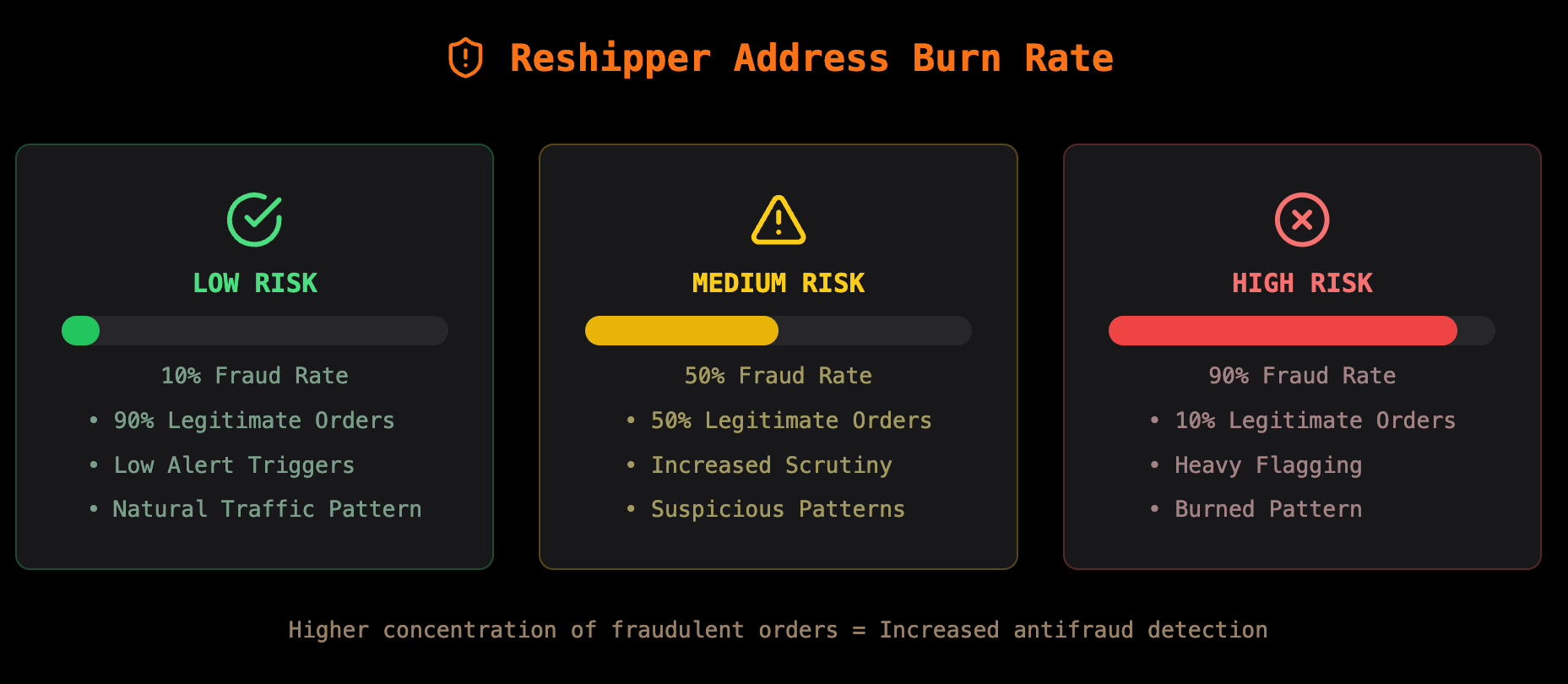
Every major fraud prevention system knows that these addresses are high risk due to previous fraudulent transactions. The only reason the orders are still going through is because the reshippers have enough legitimate customer traffic to balance their risk profile. Legitimate customers using their service for normal purchases create enough cover to keep the addresses viable.
This means that each service has different risk levels in fraud prevention systems based on the ratio of legitimate customers to fraudulent ones. A reshipper with 90% legitimate customers and 10% fraudulent ones will trigger far fewer alerts than one that is primarily used by carders. Addresses from more legitimate services will mesh better with normal traffic patterns. Test small orders through different reshippers to see which ones work best for your setup.
Security Considerations
Never place all your orders on one reshipper account. It’s a no-brainer, but people still screw it up. Think about it - if you card 5 items and send them all to the same reshipping account, what happens when one store reports fraud? The entire account will be wiped and all your inventory will be stuck in their warehouse forever.
You don’t want to lose your $1,200 iPhone because some store reported a $20 item you carded, right? Spread your orders across multiple accounts on different services. That way, if one goes bust, the others are safe. Basic risk management, but it makes a huge difference.
AVS
Another huge benefit of reshipping services is that you can create accounts using any name. This means that with AVS cards, you can set up the recipient name to match the billing name on the card. The sender doesn’t care what name you use for your account. So if you’re using a card that belongs to John Smith, you can create a sender account under John Smith’s name and have a perfect AVS match when you place orders. The billing name, shipping name, and recipient name all match perfectly. This simple trick greatly improves your success rate because the order looks completely legitimate from an anti-fraud perspective.
Pay for your shipments
Always check their rates in advance and pay them legally. Don't try to card fees for re-delivery. It may be tempting, but it's a quick way to get your account banned and your items confiscated.
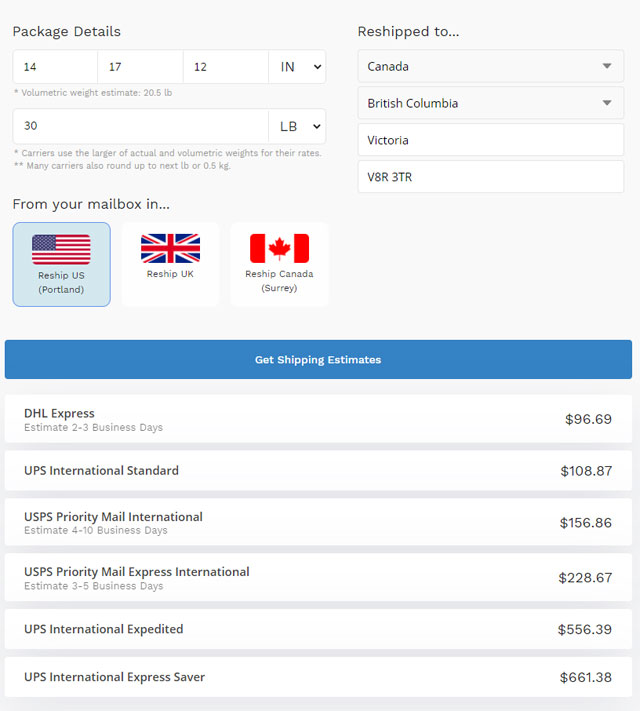
Use crypto debit cards if you want untraceable payments. But trying to card a reshipper will only get your addresses blacklisted. For low-value items, the risk may be worth it. But when you’re shipping big-ticket items like gaming laptops and jewelry, paying the fees directly is a smart move.
Think about it — why risk losing a $2,000 laptop over a $50 shipping fee? Pay them properly and they’ll continue forwarding your packages without issue. Try carding and suddenly all your addresses are burned. Not worth it.
Find Your Own Warehouse
Just because I listed these popular services doesn’t mean they’re your only options. There are hundreds of different forwarders and shippers scattered across the US, UK, and Canada that you’ve never heard of. Many of them have new addresses that haven’t been burned yet, and their rates are often lower than the big names.
Do your research and find the services that fit your setup. The best forwarders are usually the ones that aren’t on everyone’s radar. Try different options, compare rates, and build your own list of reputable services, rather than just following the crowd.
Final Thoughts
Public forwarding services aren’t perfect. They’re like a public toilet – they’re not perfect, but sometimes you gotta do what you gotta do. The key is knowing when to use them and how to minimize your risk. Spread your orders, use different services, and, heck, pay for shipping properly.
Remember that these services are legitimate businesses. Many of them don’t give a damn about your fake goods as long as you play by their rules and pay them. But start acting suspicious or trying to scam them and watch how quickly they turn into operatives.
Most importantly, remember that reshipping services are just one tool in your arsenal. They work great in certain situations, but they are not always the best option. Sometimes dropshipping or virtual items make more sense. The key is to choose the right method for each job. Learn all the different shipping methods and use middlemen strategically when they fit your needs. This way, you will maximize your success rate and keep your options open, rather than getting stuck when one method stops working.
Until next time, great carders.
(c) Author Telegram: @d0ctrine
What are reshipping services?
Freight forwarding companies like Reship.com and ShipItTo that market themselves to overseas shoppers? They’re professional middlemen who give customers addresses (mostly in the US, but some offer UK and Canadian addresses) to receive packages from, then forward them internationally and domestically. Think of them as parcel bouncers – they pick up your stuff and ship it wherever you want.
These services exist for international shoppers who want to shop at stores that don’t ship internationally. The customer gets an address in their preferred country, orders their items, the forwarding service picks them up, and ships them wherever they want. Simple.
For us carders, these services are a necessary evil. Because they’re legitimate businesses that handle thousands of packages daily, they add a layer of separation between the carded order and your final destination. The merchant sends the packages to what looks like a regular address, and the forwarding service becomes your unwitting accomplice.
Popular Forwarding Services
Here's a quick overview of some of the major forwarding services and what you need to know about each one:
- Reship.com
- Oldest service with addresses in Delaware/Florida
- Low fees and reliable service
- Best suited for high value items.
- Takes great photos of your stuff
- MyUS.com
- Large commercial operation with multiple warehouses in the US/UK
- Strict verification
- Premium prices include parcel consolidation
- ShipItTo
- Budget option with addresses in New York, California and the UK
- Do not resend parcels within the country, this intermediary will hold your goods (explained below)
- Suitable for small items but slower to process
- Ship7
- New international service with basic verification
- Several warehouses but no domestic shipping (IIRC)
Who is this ideal for?
These reship services work best if you’re outside of their warehouse country, because their entire business model revolves around international shipping — they exist to help international customers buy from retailers in countries where they don’t have a local address. When 99% of their packages are shipped overseas, domestic shipping stands out like a clown at a funeral.
Think about it: What legitimate customer would want to ship something to a warehouse only to have it forwarded to another address in the same country? That shit doesn’t make any sense. So if you’re trying to ship domestically with these services, it will work with many of them, but it will immediately raise red flags.
But if you’re overseas? You’re just another customer in their system. Your package gets mixed in with all of their regular international shipments.
Now here’s the kicker — some services, like Reship and MyUS, will happily reship your stuff, no questions asked. I’m pretty sure a significant portion of their business comes from carders and referrers, which explains why they’re so… helpful. But the others? Not so much. Take Shipito, for example – they claim to do domestic shipping, but when it comes time to ship your package, they suddenly require seventeen forms of ID and your grandma’s birth certificate. Next thing you know, they’ve frozen your account and your carded items are mysteriously unavailable. The clever middlemen have found a way to profit off both parties – by taking the shipping fee AND keeping the items for themselves. Pretty genius if you ask me, lol!
Understanding How to Use Them
The basic process is simple: order an item, ship it to their warehouse, pay them based on size and weight as well as shipping, and they ship it to your address. But you know me, I like to dive into deep shit, so let’s get to the real details that no one talks about.
Fraud Attack
Delivering packages to reshipment warehouses requires extra precautions beyond standard carding methods. You need exceptionally low fraud rates, flawless proxies, and reliable order profiles. Why? Because these warehouse addresses are documented in every fraud prevention database and have been burned time and time again by other carders and returners.
Every major fraud prevention system knows that these addresses are high risk due to previous fraudulent transactions. The only reason the orders are still going through is because the reshippers have enough legitimate customer traffic to balance their risk profile. Legitimate customers using their service for normal purchases create enough cover to keep the addresses viable.
This means that each service has different risk levels in fraud prevention systems based on the ratio of legitimate customers to fraudulent ones. A reshipper with 90% legitimate customers and 10% fraudulent ones will trigger far fewer alerts than one that is primarily used by carders. Addresses from more legitimate services will mesh better with normal traffic patterns. Test small orders through different reshippers to see which ones work best for your setup.
Security Considerations
Never place all your orders on one reshipper account. It’s a no-brainer, but people still screw it up. Think about it - if you card 5 items and send them all to the same reshipping account, what happens when one store reports fraud? The entire account will be wiped and all your inventory will be stuck in their warehouse forever.
You don’t want to lose your $1,200 iPhone because some store reported a $20 item you carded, right? Spread your orders across multiple accounts on different services. That way, if one goes bust, the others are safe. Basic risk management, but it makes a huge difference.
AVS
Another huge benefit of reshipping services is that you can create accounts using any name. This means that with AVS cards, you can set up the recipient name to match the billing name on the card. The sender doesn’t care what name you use for your account. So if you’re using a card that belongs to John Smith, you can create a sender account under John Smith’s name and have a perfect AVS match when you place orders. The billing name, shipping name, and recipient name all match perfectly. This simple trick greatly improves your success rate because the order looks completely legitimate from an anti-fraud perspective.
Pay for your shipments
Always check their rates in advance and pay them legally. Don't try to card fees for re-delivery. It may be tempting, but it's a quick way to get your account banned and your items confiscated.
Use crypto debit cards if you want untraceable payments. But trying to card a reshipper will only get your addresses blacklisted. For low-value items, the risk may be worth it. But when you’re shipping big-ticket items like gaming laptops and jewelry, paying the fees directly is a smart move.
Think about it — why risk losing a $2,000 laptop over a $50 shipping fee? Pay them properly and they’ll continue forwarding your packages without issue. Try carding and suddenly all your addresses are burned. Not worth it.
Find Your Own Warehouse
Just because I listed these popular services doesn’t mean they’re your only options. There are hundreds of different forwarders and shippers scattered across the US, UK, and Canada that you’ve never heard of. Many of them have new addresses that haven’t been burned yet, and their rates are often lower than the big names.
Do your research and find the services that fit your setup. The best forwarders are usually the ones that aren’t on everyone’s radar. Try different options, compare rates, and build your own list of reputable services, rather than just following the crowd.
Final Thoughts
Public forwarding services aren’t perfect. They’re like a public toilet – they’re not perfect, but sometimes you gotta do what you gotta do. The key is knowing when to use them and how to minimize your risk. Spread your orders, use different services, and, heck, pay for shipping properly.
Remember that these services are legitimate businesses. Many of them don’t give a damn about your fake goods as long as you play by their rules and pay them. But start acting suspicious or trying to scam them and watch how quickly they turn into operatives.
Most importantly, remember that reshipping services are just one tool in your arsenal. They work great in certain situations, but they are not always the best option. Sometimes dropshipping or virtual items make more sense. The key is to choose the right method for each job. Learn all the different shipping methods and use middlemen strategically when they fit your needs. This way, you will maximize your success rate and keep your options open, rather than getting stuck when one method stops working.
Until next time, great carders.
Disclaimer: The information provided in this article, as well as all my articles and guides, is for educational purposes only. This is an exploration of how scams work and is not intended to promote, endorse, or facilitate any illegal activity. I cannot be held responsible for any actions taken based on this material or any material posted by my account. Please use this information responsibly and do not engage in any criminal activity.
(c) Author Telegram: @d0ctrine