


I see it every day – newbies stumbling onto forums clutching the same recycled crap they found on some dodgy Telegram channel. While these poor bastards are busy chasing ghosts, the real carders are laughing their way to their crypto wallets. It’s time to take a sledgehammer to the myths that are probably destroying your success rate right now.
The “Clean IP” Fantasy
You’ve heard it a thousand times: clean IPs are magical talismans that guarantee approval, while anything “dirty” is immediately rejected. What nonsense.
While “clean” is useful to some extent, it’s not the Holy Grail that the Telegram denizens make it out to be. Often, the dirtiest, most flagged IPs perform better than your precious “clean” ones. Mobile carrier IP addresses and iCloud Private Relay addresses throw up red flags on paper, but no merchant can afford to block them without committing financial suicide.
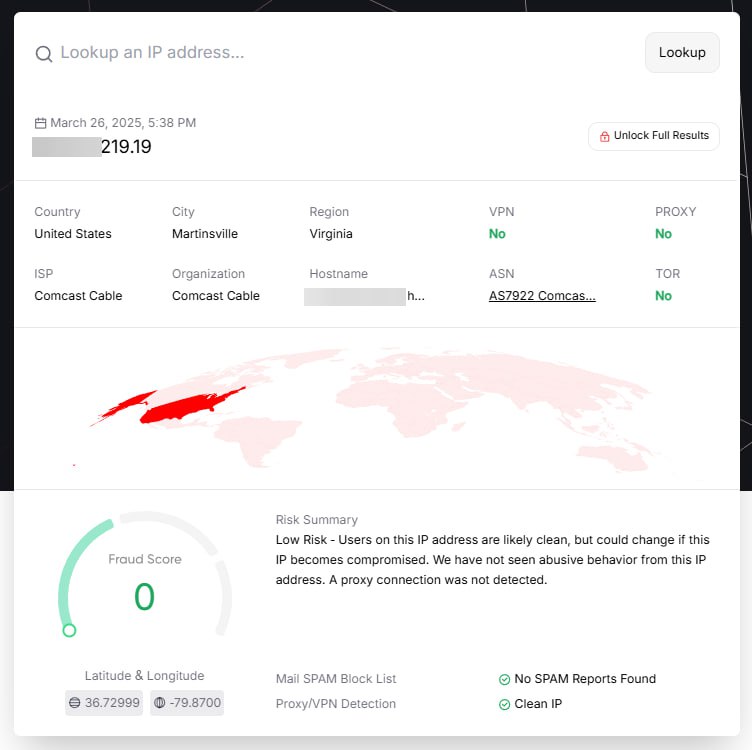
Entropy is your best friend. Anti-fraud systems must balance between catching fraudsters and blocking legitimate customers. When an IP address is used by thousands of users, the system faces an impossible choice:
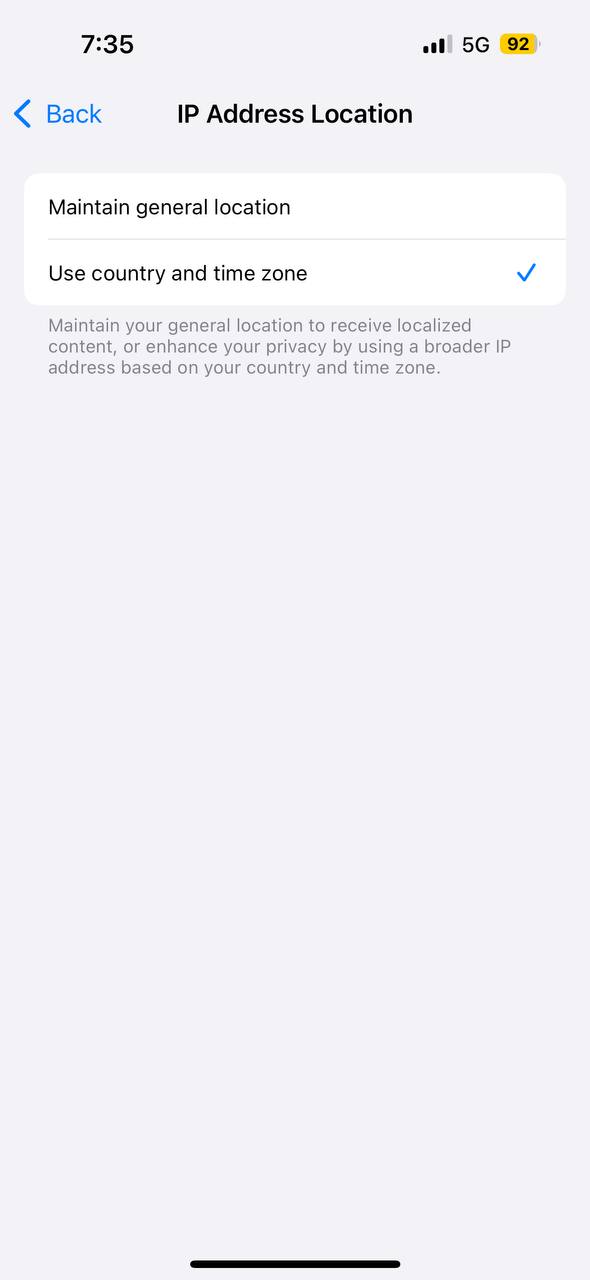
Mobile data pools are digital cesspools where thousands of devices share addresses. Artificial intelligence-based fraud detection can’t isolate you without catching countless innocent shoppers. When Apple flags Cloudflare endpoints via iCloud Private Relay as “legitimate,” merchants must approve those transactions despite their risk assessments or lock out millions of high-spending Apple customers.
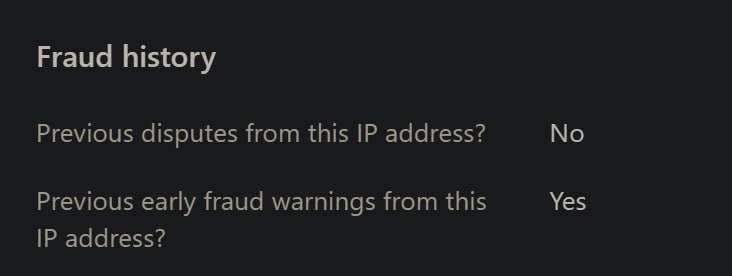
Meanwhile, those "clean" data center IPs you pay a premium for? Advanced fraud protection systems have already catalogued them. They stand out precisely because they are too clean - they lack the organic patterns that legitimate connections have. And they often already have bad records on Radar and other fraud protection providers.
Sometimes it’s better to hide in plain sight with mobile data or Relay than to use expensive “clean” proxies. The crowd provides better cover than isolation.
The BIN Fallacy
Forums are swarming with newbies hunting for that mystical six-digit combination that supposedly bypasses all security. Some idiots actually pay for these “magic BINs” in Telegram groups, begging to “Reset your working BINs!” as if some secret sequence of numbers is their ticket to unlimited approvals.
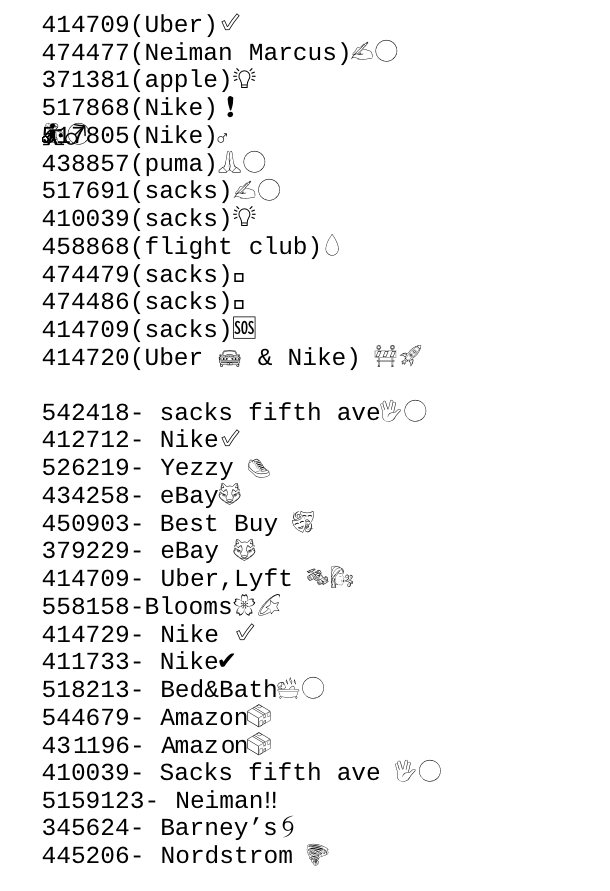
BINs aren’t magic keys. They’re one tiny data point in an ocean of signals. Risk models, 3DS protocols, speed tests, device fingerprints, and shipping patterns all carry more weight than those first six digits you’re fixated on.

Hit the same “working” BIN is digital suicide: you’re spoon-feeding the machine, teaching it what to tag next. Transaction consistency is more important than any magical sequence of numbers.
Your device fingerprints, AVS matching, and realistic purchasing patterns will get you further than the hottest BIN list.
KYC Paranoia
Carders worry that by taking selfies for verification, some employees will save their photo and remember their faces. This is a misunderstanding of how modern KYC systems work.
Modern KYC systems are largely automated. An image of your face is converted into mathematical data points. Companies never actually save your original selfie photos/videos, only a mathematical representation. Human verification only occurs when the system flags serious discrepancies, and even then, these systems typically ask for additional documents, while human verifiers process hundreds of checks daily with no way to remember individual faces.
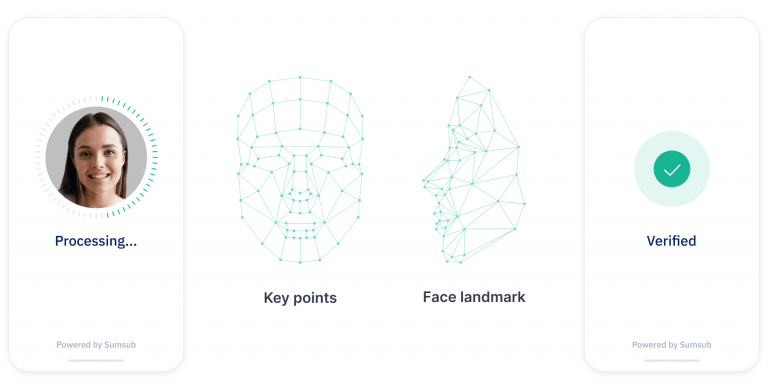
“Liveness checks” simply confirm your physical presence during the check, rather than using a printed photograph. You should focus on the consistency of the check materials – matching lighting, camera angles, and ensuring that metadata matches. This is much more important than worrying about someone remembering your face.

This doesn’t mean you should plaster your face on every crypto service to shell out $20 worth of ETH. Unless you have a twin, your image is yours alone. So keep it safe.
The Verified Shipping Address Myth
“Banks check your shipping address for every transaction” — this misconception has cost carders countless opportunities. The truth: For Visa, Mastercard, and Discover, banks only see the billing address through cards that support AVS. The shipping address is never shared with the issuing bank.

American Express has an AAV/AAV+ system where cardholders can register alternate addresses, but few merchants implement it outside the luxury and travel sectors. Some older merchants may call the bank for manual verification, but this is rare these days due to the sheer volume of transactions and the many layers separating retailers and banks. Only merchants selling ultra-premium products that are worth the hassle and expense still worry about this dinosaur security measure.

While 3DS 2.0 systems may include shipping data in risk assessment, banks do not approve or reject transactions directly based on shipping addresses alone. The real verification occurs on the merchant side using anti-fraud rules and analysis of previous orders.
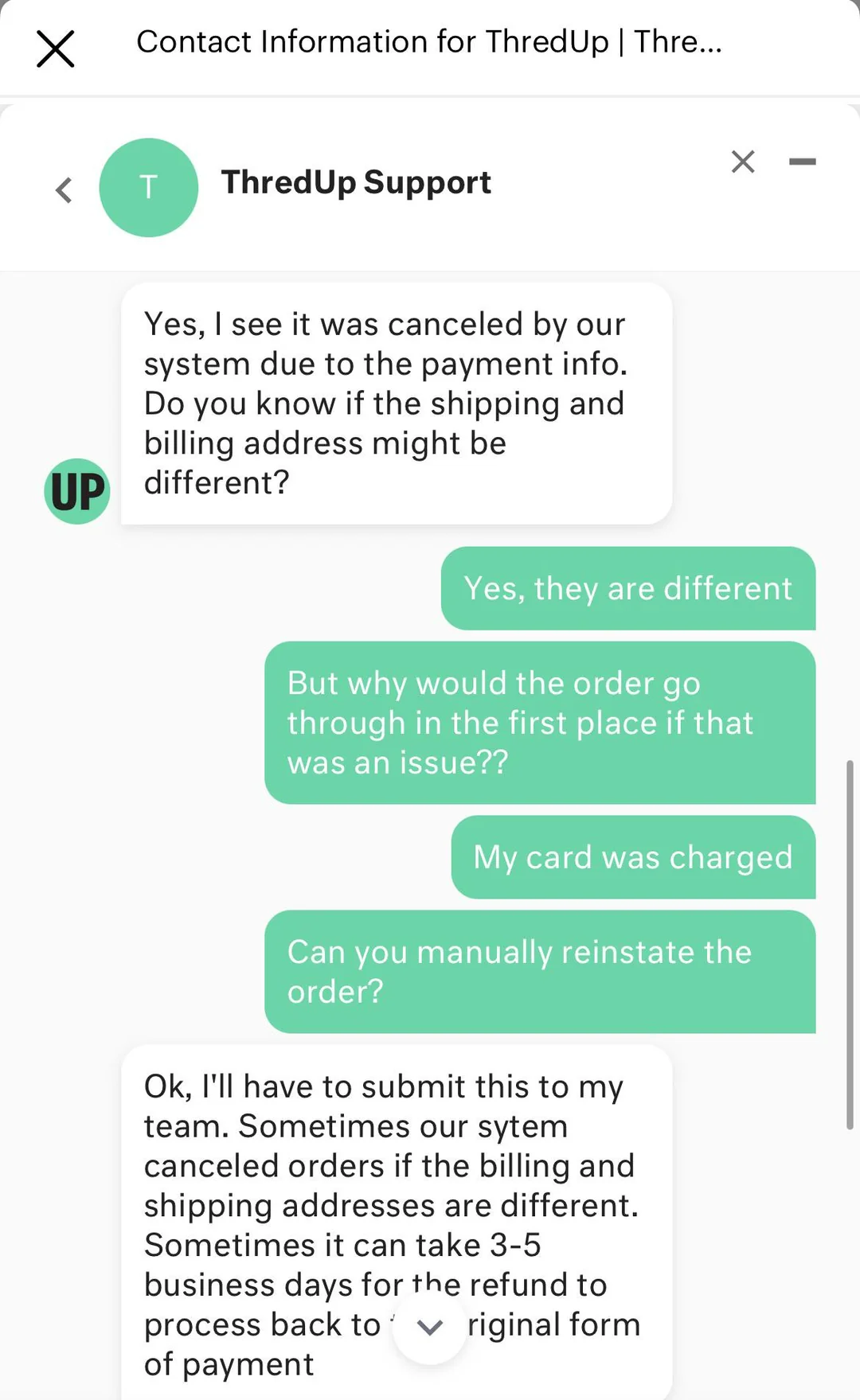
When you get messages asking you to “add a shipping address to your card on file,” understand what’s going on. These aren’t literal instructions — they’re generic rejection messages saying “your order failed fraud screening.”
Beyond Mythology
Fairy tales are expensive in this game. The fraud prevention system you encounter has multiple layers: network rules, issuer AI security stacks, shipping intelligence, and behavioral analytics. The reliance on simplistic “solutions” is why amateurs post furiously rather than count their profits.
Master the entire ecosystem, test systematically, and constantly adapt. When someone sells you their “100% guaranteed method,” remember: if it really worked flawlessly, they’d be operating it silently, not selling it to strangers for pennies.
In this game, your bullshit detector is your most valuable asset. Sharpen your critical thinking before you sharpen your tools, and you might just last long enough to make real money.
(c) Telegram: d0ctrine
The “Clean IP” Fantasy
You’ve heard it a thousand times: clean IPs are magical talismans that guarantee approval, while anything “dirty” is immediately rejected. What nonsense.
While “clean” is useful to some extent, it’s not the Holy Grail that the Telegram denizens make it out to be. Often, the dirtiest, most flagged IPs perform better than your precious “clean” ones. Mobile carrier IP addresses and iCloud Private Relay addresses throw up red flags on paper, but no merchant can afford to block them without committing financial suicide.
Entropy is your best friend. Anti-fraud systems must balance between catching fraudsters and blocking legitimate customers. When an IP address is used by thousands of users, the system faces an impossible choice:
- block it and lose millions in income
- or accept the noise and let the fraud slip through
Mobile data pools are digital cesspools where thousands of devices share addresses. Artificial intelligence-based fraud detection can’t isolate you without catching countless innocent shoppers. When Apple flags Cloudflare endpoints via iCloud Private Relay as “legitimate,” merchants must approve those transactions despite their risk assessments or lock out millions of high-spending Apple customers.
Meanwhile, those "clean" data center IPs you pay a premium for? Advanced fraud protection systems have already catalogued them. They stand out precisely because they are too clean - they lack the organic patterns that legitimate connections have. And they often already have bad records on Radar and other fraud protection providers.
Sometimes it’s better to hide in plain sight with mobile data or Relay than to use expensive “clean” proxies. The crowd provides better cover than isolation.
The BIN Fallacy
Forums are swarming with newbies hunting for that mystical six-digit combination that supposedly bypasses all security. Some idiots actually pay for these “magic BINs” in Telegram groups, begging to “Reset your working BINs!” as if some secret sequence of numbers is their ticket to unlimited approvals.
BINs aren’t magic keys. They’re one tiny data point in an ocean of signals. Risk models, 3DS protocols, speed tests, device fingerprints, and shipping patterns all carry more weight than those first six digits you’re fixated on.
Hit the same “working” BIN is digital suicide: you’re spoon-feeding the machine, teaching it what to tag next. Transaction consistency is more important than any magical sequence of numbers.
Your device fingerprints, AVS matching, and realistic purchasing patterns will get you further than the hottest BIN list.
KYC Paranoia
Carders worry that by taking selfies for verification, some employees will save their photo and remember their faces. This is a misunderstanding of how modern KYC systems work.
Modern KYC systems are largely automated. An image of your face is converted into mathematical data points. Companies never actually save your original selfie photos/videos, only a mathematical representation. Human verification only occurs when the system flags serious discrepancies, and even then, these systems typically ask for additional documents, while human verifiers process hundreds of checks daily with no way to remember individual faces.
“Liveness checks” simply confirm your physical presence during the check, rather than using a printed photograph. You should focus on the consistency of the check materials – matching lighting, camera angles, and ensuring that metadata matches. This is much more important than worrying about someone remembering your face.
This doesn’t mean you should plaster your face on every crypto service to shell out $20 worth of ETH. Unless you have a twin, your image is yours alone. So keep it safe.
The Verified Shipping Address Myth
“Banks check your shipping address for every transaction” — this misconception has cost carders countless opportunities. The truth: For Visa, Mastercard, and Discover, banks only see the billing address through cards that support AVS. The shipping address is never shared with the issuing bank.
American Express has an AAV/AAV+ system where cardholders can register alternate addresses, but few merchants implement it outside the luxury and travel sectors. Some older merchants may call the bank for manual verification, but this is rare these days due to the sheer volume of transactions and the many layers separating retailers and banks. Only merchants selling ultra-premium products that are worth the hassle and expense still worry about this dinosaur security measure.
While 3DS 2.0 systems may include shipping data in risk assessment, banks do not approve or reject transactions directly based on shipping addresses alone. The real verification occurs on the merchant side using anti-fraud rules and analysis of previous orders.
When you get messages asking you to “add a shipping address to your card on file,” understand what’s going on. These aren’t literal instructions — they’re generic rejection messages saying “your order failed fraud screening.”
Beyond Mythology
Fairy tales are expensive in this game. The fraud prevention system you encounter has multiple layers: network rules, issuer AI security stacks, shipping intelligence, and behavioral analytics. The reliance on simplistic “solutions” is why amateurs post furiously rather than count their profits.
Master the entire ecosystem, test systematically, and constantly adapt. When someone sells you their “100% guaranteed method,” remember: if it really worked flawlessly, they’d be operating it silently, not selling it to strangers for pennies.
In this game, your bullshit detector is your most valuable asset. Sharpen your critical thinking before you sharpen your tools, and you might just last long enough to make real money.
(c) Telegram: d0ctrine