


Real call spoofing requires serious infrastructure and technical expertise — not the kind of thing that comes with the TextNow app or the Telegram-ripper garbage that floods your DMs. Those services that sell “private number” services wouldn’t know how to spoof properly if it was punched in the face.
This guide covers call spoofing from basic concepts to advanced exploitation. No big promises, no magic apps — just hard-core technical knowledge that allows you to bypass modern call detection systems.
The Big Money Still Flows Through Voice
Phone systems still account for billions in sales at major retailers. Companies like Victoria’s Secret, Nordstrom, and countless others actively push customers to order over the phone. Why? Because old people are retarded when it comes to technology. And why your grandmother needs Victoria Secret underwear is a mystery for another day.
But even without direct phone mapping, voice spoofing opens up a ton of possibilities:
The financial sector is particularly voice-driven. These phone reps are trained to “help customers” bypass security measures, creating the perfect opportunity for social engineering. One clean fake call can do more than days of failed attempts through a website.
Tech Stack
Today's phone systems are a beautiful mishmash of old and new technologies all mixed together. Understanding this mess is important because much of the fraud prevention still relies on legacy systems that have changed little since the 1990s.
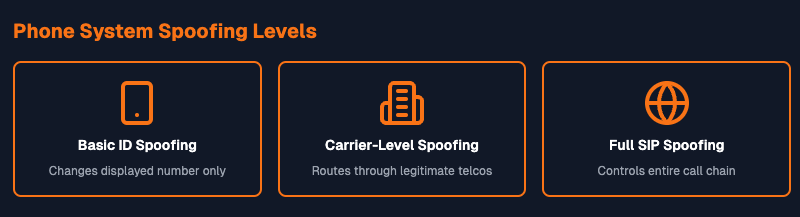
There are three levels of spoofing in this ecosystem:
There are three main types of phone systems that matter to us:
PSTN (Public Switched Telephone Network)
The granddaddy of them all. This traditional phone network still connects landlines around the world. Banks, credit card companies, and large corporations use the PSTN because it's so darn reliable. When you call Chase or Amex, you're probably getting their PSTN lines.
For carders, the PSTN matters because:
VoIP (Voice over IP)
Voice is transmitted over the Internet Protocol - basically turning voice into data packets. Think Skype or your shady calling app. Most modern business phone systems use VoIP because it is cheap and flexible.
VoIP Scam Advantages:
SIP (Session Initiation Protocol)
The protocol that makes VoIP work. SIP handles all the setup, teardown, and management of VoIP calls. Think of it as HTTP, but for voice communications. Most importantly, SIP allows us to create our own private telephony infrastructure.
Why SIP is so good for carders:
A typical call flow looks like this:
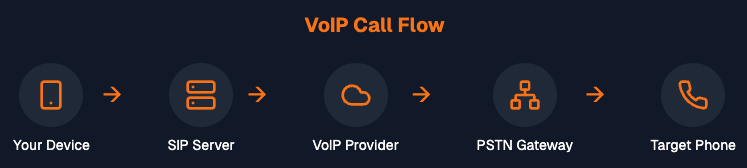
Every hop in this chain affects how the receiving systems see your calls. Banks don’t just check the phone number — they analyze the entire call signature as it passes through this infrastructure.
That’s why it’s important to use your own SIP setup. These “private number” services may work for pizza orders, but anything involving financial systems requires proper infrastructure.
The reality of caller ID
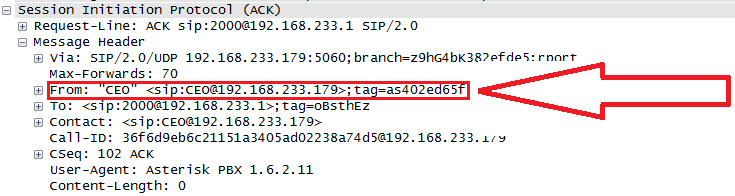
Banks and financial institutions screen incoming calls with multiple layers of checks that cheap spoofing can't bypass. When a call enters their system, they check:
Here’s why your TextNow calls are instantly blocked. The numbers may look legitimate, but the underlying signature screams VoIP fraud.
With SIP, you control the entire call chain. Your calls can mimic legitimate PSTN traffic passing through trusted carriers. The secret is to understand how different financial institutions verify incoming numbers.
Some banks only check basic caller ID. These are your easy targets — basic number spoofing works just fine. Others dig deeper, studying call routing and carrier signatures. This requires proper SIP infrastructure to appear legitimate.
The most sophisticated systems analyze call patterns over time. They track how often numbers enter their system, which carriers route them, and typical usage patterns.
Building Your Own Setup
Here are two methods that actually work without having to have a PhD in telecommunications:
Method 1: SIP Trunk Spoofing
The simplest method that still gets results. Card Twilio, Telnyx or voip.ms. They are great for most sites.
Requirements:
Steps:
Method 2: DIY FreePBX
More work to set up, but better for bank fraud. Harder to detect since you control the entire system.
Requirements:
Steps:
Both methods work, but remember the following basic rules:
Running your own PBX will give you more consistency, as these SIP providers are unreliable and occasionally disable accounts they suspect of malicious activity. However, if you’re just starting out, stick with Method 1. It’s simpler and good enough for most topics. Only bother with FreePBX if you’re doing serious bank fraud or need full control over your infrastructure.
Conclusion
Call spoofing isn’t some magic trick, it’s a technical skill that requires serious knowledge and infrastructure. If you’re still thinking about using some crappy app or Telegram service, you’re missing the point entirely.
Understanding the tech stack is critical, and setting it up yourself gives you more control and consistency. This guide isn’t for newbies or script kiddies. It’s for those who are willing to put in the work and get better at scamming.
Master these techniques and you’ll open doors that most carders can only dream of. Just don't cry when you screw up and get caught. This trick is not a game. Be vigilant, be careful, and always learn. The phone system is a mess, and that's to your advantage — if you're smart enough to use it.
(c) Author Telegram: @d0ctrine
This guide covers call spoofing from basic concepts to advanced exploitation. No big promises, no magic apps — just hard-core technical knowledge that allows you to bypass modern call detection systems.
The Big Money Still Flows Through Voice
Phone systems still account for billions in sales at major retailers. Companies like Victoria’s Secret, Nordstrom, and countless others actively push customers to order over the phone. Why? Because old people are retarded when it comes to technology. And why your grandmother needs Victoria Secret underwear is a mystery for another day.
But even without direct phone mapping, voice spoofing opens up a ton of possibilities:
- Large-scale balance check
- Mass interception of one-time passwords
- Hacking bank accounts
- Order forwarding/address change
- Massive refund fraud
- Compromise of corporate accounts
- Social Engineering of Customer Service
The financial sector is particularly voice-driven. These phone reps are trained to “help customers” bypass security measures, creating the perfect opportunity for social engineering. One clean fake call can do more than days of failed attempts through a website.
Tech Stack
Today's phone systems are a beautiful mishmash of old and new technologies all mixed together. Understanding this mess is important because much of the fraud prevention still relies on legacy systems that have changed little since the 1990s.
There are three levels of spoofing in this ecosystem:
- Basic ID Spoofing: What these garbage apps do. Simply changes the number displayed without affecting the basic call data. Good for pranking friends, useless for anything serious.
- Carrier-Level Spoofing: Routes calls through legitimate carriers, making them appear to be regular PSTN traffic. Expensive, but nearly undetectable. Required for serious banking.
- Full SIP spoofing: The sweet spot for most carders. Monitors the entire call chain and mimics legitimate traffic patterns. Requires proper infrastructure, but can bypass most detection systems.
There are three main types of phone systems that matter to us:
PSTN (Public Switched Telephone Network)
The granddaddy of them all. This traditional phone network still connects landlines around the world. Banks, credit card companies, and large corporations use the PSTN because it's so darn reliable. When you call Chase or Amex, you're probably getting their PSTN lines.
For carders, the PSTN matters because:
- Most financial institutions trust PSTN calls more than VoIP
- Caller ID spoofing detection is virtually non-existent
- Crystal clear audio quality (critical for social engineering)
- Less recording/monitoring compared to VoIP
VoIP (Voice over IP)
Voice is transmitted over the Internet Protocol - basically turning voice into data packets. Think Skype or your shady calling app. Most modern business phone systems use VoIP because it is cheap and flexible.
VoIP Scam Advantages:
- It's easy to hide the sender's location
- Very cheap international calls
- Easy scaling of operations
- Several numbers in one system
- Advanced Call Routing Options
SIP (Session Initiation Protocol)
The protocol that makes VoIP work. SIP handles all the setup, teardown, and management of VoIP calls. Think of it as HTTP, but for voice communications. Most importantly, SIP allows us to create our own private telephony infrastructure.
Why SIP is so good for carders:
- Complete control over caller ID presentation
- Routing calls through multiple servers
- Mix with VPN for extra anonymity
- Creation of private telephone networks
- There is no central provider to report
A typical call flow looks like this:
Code:
Your Device -> SIP Server -> VoIP Provider -> PSTN Gateway -> Target PhoneEvery hop in this chain affects how the receiving systems see your calls. Banks don’t just check the phone number — they analyze the entire call signature as it passes through this infrastructure.
That’s why it’s important to use your own SIP setup. These “private number” services may work for pizza orders, but anything involving financial systems requires proper infrastructure.
The reality of caller ID
Banks and financial institutions screen incoming calls with multiple layers of checks that cheap spoofing can't bypass. When a call enters their system, they check:
- The caller ID number provided
- Where does the call come from?
- Which operators handled the routing?
- Call Signaling Templates and Metadata
- Historical usage patterns
Here’s why your TextNow calls are instantly blocked. The numbers may look legitimate, but the underlying signature screams VoIP fraud.
With SIP, you control the entire call chain. Your calls can mimic legitimate PSTN traffic passing through trusted carriers. The secret is to understand how different financial institutions verify incoming numbers.
Some banks only check basic caller ID. These are your easy targets — basic number spoofing works just fine. Others dig deeper, studying call routing and carrier signatures. This requires proper SIP infrastructure to appear legitimate.
The most sophisticated systems analyze call patterns over time. They track how often numbers enter their system, which carriers route them, and typical usage patterns.
Building Your Own Setup
Here are two methods that actually work without having to have a PhD in telecommunications:
Method 1: SIP Trunk Spoofing
The simplest method that still gets results. Card Twilio, Telnyx or voip.ms. They are great for most sites.
Requirements:
- Clean card with reliable anti-detection settings
- Corporate mail (not free mail)
- MicroSIP (free softphone)
- Residential proxy server
Steps:
- Create a Telnyx (or other SIP provider) account:
- Register an account with Telnyx or your preferred SIP provider.
- Buy a DID number:
- Purchase a DID number that matches your target region for local calling.
- Get your credentials from your control panel:
- Log in to your Telnyx control panel and go to the section where you can find your SIP credentials (username, password and SIP server details).
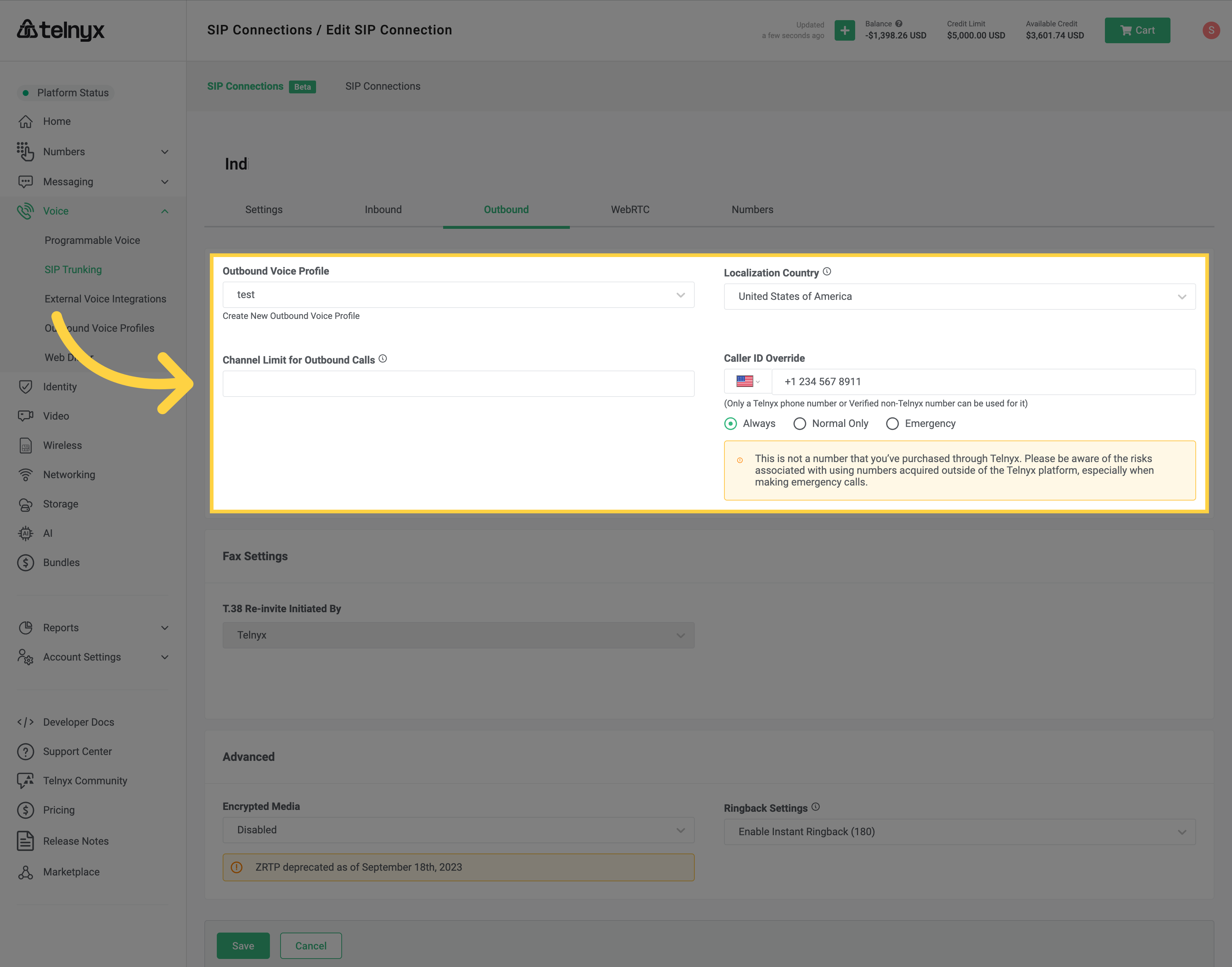
- Change Caller ID:
- In your Telnyx account, look for the option to set Caller ID Override. This allows you to specify the caller ID you want to display when making outgoing calls.
- Set up MicroSIP:
- Open MicroSIP and go to Account > Add to create a new SIP account.
- Please enter the following data:
- Domain:
(or the SIP server address provided by your provider).Code:sip.telnyx.com - Username: Your SIP username from the Telnyx control panel.
- Password: Your SIP password from the Telnyx control panel.
- Transport: Select TCP.
- Set your local number as your DID number: Enter the DID number you purchased in the appropriate field.
- Domain:
- Save the configuration:
- Click OK to save your MicroSIP account settings.
- Check the setting:
- Make an outgoing call using MicroSIP to verify that the caller ID appears as specified and that the call is successfully established.
Method 2: DIY FreePBX
More work to set up, but better for bank fraud. Harder to detect since you control the entire system.
Requirements:
- Carded VPS (OVH or DigitalOcean are great)
- FreePBX ISO
- DID number of any provider (some are more prone to spoofing, so do your own research)
- MicroSIP
- Same proxy setup as method 1
Steps:
- Card a VPS::
- Select a VPS provider and set up your server.
- Download and install FreePBX:
- Follow the instructions to install FreePBX on your VPS.
- Basic configuration in the admin panel:
- Add extensions:
- Go to Applications > Extensions and create the necessary extensions.
- Set outgoing routes:
- Go to Connection > Outgoing Routes and configure outgoing routes.
- In the Outgoing Route settings, locate the CID settings to set the default caller ID you want to use for outgoing calls.
- Set up your DIDs:
- Go to Connection > Incoming Routes and configure any Direct Inward Dialing (DID) numbers you have.
- Add extensions:
- Set up caller ID spoofing:
- In the Outgoing Routes section, enter the number you want to use in the Caller ID field (make sure you have permission to use this number).
- Make sure your channel settings allow you to manipulate caller ID.
- Point MicroSIP to your VPS IP address:
- Download and install MicroSIP on your local computer.
- Open MicroSIP and go to Account > Add to create a new SIP account.
- Enter the following:
- Display Name: Account name.
- SIP Server: IP address or domain name of your VPS.
- SIP Username: The extension you created.
- SIP Password: The password associated with this extension.
- STUN Server (optional): Use a STUN server if needed for NAT.
- Save the configuration in MicroSIP:
- Click OK to save your account settings.
- Check the connection:
- Make a test call to ensure that the fake caller ID displays correctly and that the call is successful.
Both methods work, but remember the following basic rules:
- Never reuse the same setting for different operations.
- Test with toll free numbers first
- Reduce call duration to 5 minutes to avoid detection schemes
- Mix up the time and duration of calls
- Build up your call history gradually
Running your own PBX will give you more consistency, as these SIP providers are unreliable and occasionally disable accounts they suspect of malicious activity. However, if you’re just starting out, stick with Method 1. It’s simpler and good enough for most topics. Only bother with FreePBX if you’re doing serious bank fraud or need full control over your infrastructure.
Conclusion
Call spoofing isn’t some magic trick, it’s a technical skill that requires serious knowledge and infrastructure. If you’re still thinking about using some crappy app or Telegram service, you’re missing the point entirely.
Understanding the tech stack is critical, and setting it up yourself gives you more control and consistency. This guide isn’t for newbies or script kiddies. It’s for those who are willing to put in the work and get better at scamming.
Master these techniques and you’ll open doors that most carders can only dream of. Just don't cry when you screw up and get caught. This trick is not a game. Be vigilant, be careful, and always learn. The phone system is a mess, and that's to your advantage — if you're smart enough to use it.
(c) Author Telegram: @d0ctrine
Last edited:
 Warning: Telnyx and Twilio now implement SHAKEN/STIR attestation for U.S. calls. If you spoof a number you don’t own, your call may arrive as “(Spam Risk)” or be blocked entirely. Workaround: Use non-U.S. providers (e.g., DIDWW, VoIP.ms) for U.S. targets, or spoof numbers within your DID’s NPA/NXX.
 OPSEC Tip: Never expose your PBX to the public internet without fail2ban, strong firewall rules, and TLS/SRTP encryption. One port scan from a fraud investigator could expose your entire operation.
