


You’ve mastered all those fancy AI-powered fraud-bypassing tricks, you have a perfect website, clean residential proxies, and fresh cards. But your orders are still getting cancelled left and right. What the hell is going on?
The answer is simpler than you think: your shipping addresses are dirty. In 2025, address verification has become the main method merchants use to catch fraudsters. They don’t need to analyze your behavior when they can just blacklist every address you’ve ever shipped to.
Shipping Addresses
Here’s the brutal truth that most carders refuse to accept: modern anti-fraud systems are essentially address blacklisting mechanisms with extra bells and whistles. Once an address is flagged as fraudulent, it’s burned by hundreds of associated merchants. This fancy AI remembers every chargeback, every failed attempt, and creates a huge shared database that follows you everywhere.
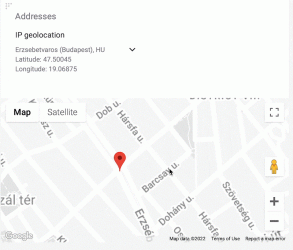
I covered all the jigging methods in my guide “Jigging Your Drops” — and yes, this method works to a certain extent. You can add fake apartment numbers, misspell street names, or insert some directional crap. But let’s be real — jigging has its limits. Eventually, the AI will sniff it out.
While sending to billing and requesting a redirect may work on some sites, it definitely won’t work everywhere. In most cases, if you’ve covered everything else, your biggest problem may not be your cards or proxies, but your shipping address.
What are drop services?
Professional drop services, or buyers, are a critical missing piece in your workflow. These services essentially “rent” you access to a network of addresses with a clean history, creating a separation between your carding and physical shipping.
Here’s how the ecosystem works:

A quality drop service will have special panels that show you available addresses in different states, their current status history, and ownership types. You simply select the drop that best matches your card billing region.
Why These Services Crush Fraud Protection
Clean addresses are the kryptonite of fraud protection, plain and simple. These residences belong to ordinary people in ordinary neighborhoods, making them invisible to merchants’ security systems programmed to detect dangerous drop locations.
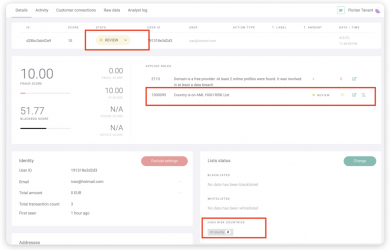
When you use a fresh drop, there is no fraud history attached to it. No chargebacks, no suspicious patterns, nothing for the system to flag. It’s like walking through a metal detector wearing nothing but your birthday suit. Those fancy AI systems can’t detect something that isn’t there.
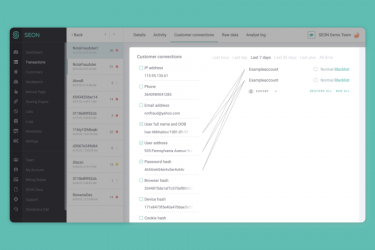
Geography matters, too — using drops that match your card’s billing status will help you avoid those location-based alerts designed to catch carders evading taxes, and residential addresses with real human names attached look legitimate to risk-assessment systems, especially when good services change their addresses every 30 days or less to keep them fresh and undetectable.
Bottom line: The same card that was rejected when sent to your burned-out address will pass muster when sent to a clean residential address. In this game, your shipping address is either your secret weapon or your weakness.
The Workflow
Here’s how the process typically works when using a professional drop service:
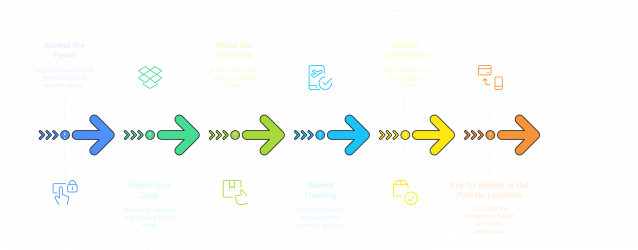
The best services have sophisticated portals that track this entire process, showing you exactly where your package is at each stage.
Bonus Points
Drop services and buyers typically don’t pay the mules whose addresses they use. Because of this deceptive behavior, most drops only last 30 days — once the mules realize they’ve been scammed, the service will stop working with them.
Drop services will label drops with different statuses in their drop panels so you can quickly identify which ones are fresh, active, problematic, or completely burned out, and sometimes these shady mules will ghost your package — depending on the service’s policies, you may be compensated or simply scammed.
Check their policies for exact percentages, as these services often have different payment structures depending on when you get paid — either when the package arrives or after it’s sent to the warehouse. Each structure has its own risk/reward ratio depending on how much you trust these mules. And remember — reusing the same drop is inefficient, it’s asking to get caught.
Conclusion
If you’re still trying to card without a professional drop service in 2025, you’re essentially walking into a gunfight with a butter knife. Address verification has become the primary method merchants use to catch scammers, and product drops are the only reliable way to bypass these systems at scale.
The separation these services create between your carding activity and the physical delivery location allows you to bypass even the most sophisticated antifraud systems. In this game, you’re only as good as the addresses you’re shipping to. Choose your service wisely and watch your approval rates soar.
(c) Contact the author here: d0ctrine
The answer is simpler than you think: your shipping addresses are dirty. In 2025, address verification has become the main method merchants use to catch fraudsters. They don’t need to analyze your behavior when they can just blacklist every address you’ve ever shipped to.
Shipping Addresses
Here’s the brutal truth that most carders refuse to accept: modern anti-fraud systems are essentially address blacklisting mechanisms with extra bells and whistles. Once an address is flagged as fraudulent, it’s burned by hundreds of associated merchants. This fancy AI remembers every chargeback, every failed attempt, and creates a huge shared database that follows you everywhere.
I covered all the jigging methods in my guide “Jigging Your Drops” — and yes, this method works to a certain extent. You can add fake apartment numbers, misspell street names, or insert some directional crap. But let’s be real — jigging has its limits. Eventually, the AI will sniff it out.
While sending to billing and requesting a redirect may work on some sites, it definitely won’t work everywhere. In most cases, if you’ve covered everything else, your biggest problem may not be your cards or proxies, but your shipping address.
What are drop services?
Professional drop services, or buyers, are a critical missing piece in your workflow. These services essentially “rent” you access to a network of addresses with a clean history, creating a separation between your carding and physical shipping.
Here’s how the ecosystem works:
- Operators are the business owners who run these services. They maintain the infrastructure, collect drops, and essentially rent out those drops to carders like you. Think of them as your shadow logistics department.
- Stuffers (that's you) are customers who pay to use the drop network. You receive cards, place orders, and send packages to the drop addresses provided by the service.
- Drops (aka shipping mules) are people who receive and ship packages. Many are unwitting participants who think they are working as legitimate “shipping coordinators,” while others know exactly what they are doing.
A quality drop service will have special panels that show you available addresses in different states, their current status history, and ownership types. You simply select the drop that best matches your card billing region.
Why These Services Crush Fraud Protection
Clean addresses are the kryptonite of fraud protection, plain and simple. These residences belong to ordinary people in ordinary neighborhoods, making them invisible to merchants’ security systems programmed to detect dangerous drop locations.
When you use a fresh drop, there is no fraud history attached to it. No chargebacks, no suspicious patterns, nothing for the system to flag. It’s like walking through a metal detector wearing nothing but your birthday suit. Those fancy AI systems can’t detect something that isn’t there.
Geography matters, too — using drops that match your card’s billing status will help you avoid those location-based alerts designed to catch carders evading taxes, and residential addresses with real human names attached look legitimate to risk-assessment systems, especially when good services change their addresses every 30 days or less to keep them fresh and undetectable.
Bottom line: The same card that was rejected when sent to your burned-out address will pass muster when sent to a clean residential address. In this game, your shipping address is either your secret weapon or your weakness.
The Workflow
Here’s how the process typically works when using a professional drop service:
- Access to the panel: Log in to the secure portal of the service, where you can view available drops.
- Choose your drop: Choose an address that matches your map region and has a good status rating.
- Make a purchase: Card something to the drop address if you intend to receive money for the delivered item, but first check the price list of the drop service or scoop.
- Submit tracking: Once you have the tracking number, add it to the drop service's system so they can notify the dropshipper that the package is awaiting delivery.
- Waiting for confirmation: The drop will receive the package, check the contents (often with photos), and then send it to the service's warehouse.
- Payment: Once they confirm receipt, either they will pay you or you will pay them (for shipping to the address you need, eg your country).
The best services have sophisticated portals that track this entire process, showing you exactly where your package is at each stage.
Bonus Points
Drop services and buyers typically don’t pay the mules whose addresses they use. Because of this deceptive behavior, most drops only last 30 days — once the mules realize they’ve been scammed, the service will stop working with them.
Drop services will label drops with different statuses in their drop panels so you can quickly identify which ones are fresh, active, problematic, or completely burned out, and sometimes these shady mules will ghost your package — depending on the service’s policies, you may be compensated or simply scammed.
Check their policies for exact percentages, as these services often have different payment structures depending on when you get paid — either when the package arrives or after it’s sent to the warehouse. Each structure has its own risk/reward ratio depending on how much you trust these mules. And remember — reusing the same drop is inefficient, it’s asking to get caught.
Conclusion
If you’re still trying to card without a professional drop service in 2025, you’re essentially walking into a gunfight with a butter knife. Address verification has become the primary method merchants use to catch scammers, and product drops are the only reliable way to bypass these systems at scale.
The separation these services create between your carding activity and the physical delivery location allows you to bypass even the most sophisticated antifraud systems. In this game, you’re only as good as the addresses you’re shipping to. Choose your service wisely and watch your approval rates soar.
(c) Contact the author here: d0ctrine
