


Okay, let's cut through the bullshit and talk about the elephant in the room: gift cards. Every day, my inbox is flooded with questions about these digital money pits. "How do I get Walmart gift cards?" "What's the best way to get iTunes cards?" It's like a broken record of desperation and pointless ambition.

Gift cards are the low hanging fruit of the carding world. Everything is shiny, everything is everywhere, and everything is full of promises of easy money. Here’s the truth: they are a huge waste of your time.
Now, before you spit a sip of water on your screen thinking I’m crazy or have sold out to the Big Anti-Gift Card, just listen. This isn’t some half-baked opinion I’m pulling out of thin air. I’ve been in this game long enough to have seen the ups and downs of many carding trends, and gift cards are quickly becoming old news.
In this guide, we’re going to break down why gift cards are losing their appeal faster than a hooker’s cheap makeup. We’ll cover time, resources, Indians, and groupthink. You’ll understand why even carding veterans are quitting.
Don’t get me wrong: I’m not here to preach from some ivory tower. Now I know what’s on your mind: “This guy is full of shit,” or “I have some secret sauce that makes gift cards work for me.” Let’s get one thing straight: This is not a one-way street. Sure, I’m sharing some knowledge with you, but I’m also here to learn. So if you have another way — one that challenges mine — let’s get started. Give me a real discussion about the state of gift cards in 2024.
Okay, guys, here we go, buckle up, and open your minds. Let’s get to the bottom of why gift cards are the fool’s gold of carding. Maybe we’ll all learn something.
The Golden Age of Gift Cards
Let’s take a trip back in time to when gift cards were the holy grail of carding. It wasn’t just a trend; it was a gold rush.
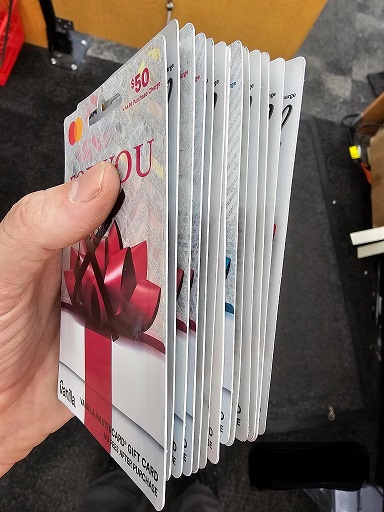
Gift card carding used to be like printing money. You’d buy a few high-value cards, throw them across different platforms, and boom! Instant profit. The beauty? Low risk, high reward. Unlike physical goods, there were no shipping addresses to worry about, no packages to intercept. Just pure digital cash.
The real game changer was Paxful. When this peer-to-peer marketplace peaked, it was like someone had opened the floodgates. Suddenly, you had a direct pipeline from carded gift cards to cryptocurrency. It was beautiful in its simplicity: Card gift cards, sell them on Paxful for Bitcoin, cash out. Cash them out, repeat.
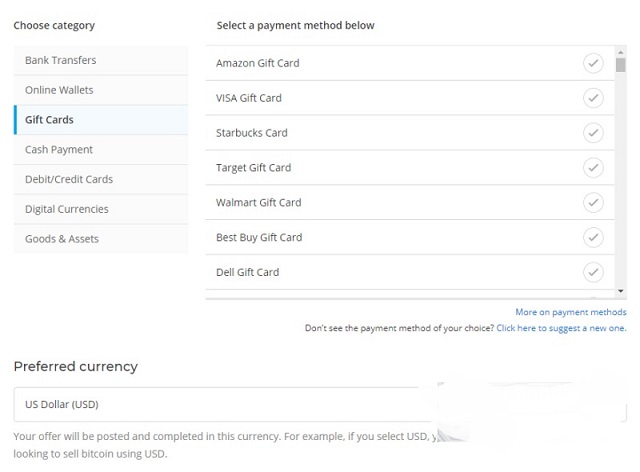
The profits were insane. You could see people turning $3,000 Amazon gift cards into $2,000 worth of Bitcoin in minutes. But that was just the tip of the iceberg.
Then along came the Chinese resellers. These guys turned gift card carding into a well-oiled machine. They would take those gift cards, buy up everything from electronics to designer goods, sell them in China, and resell them for cash. It was a clockwork operation, sucking money out of retailers faster than a black hole on steroids.
The ecosystem was beautiful in its complexity. Carders fed the machine with fresh cards, Paxful and other platforms laundered them into cryptocurrency, and the Chinese resellers turned that digital currency back into cold, hard cash through legitimate sales.
It wasn’t just about individual carders making a quick buck anymore. It was an industrial-scale scam, with entire networks dedicated to maximizing the profits from every gift card issued to the card. The retailers? They were losing money, often without realizing the full scale of the operation until it was too late.
This well-oiled machine worked around the clock, exploiting every loophole, maximizing every card, and turning gift card carding into a global enterprise. It was a golden age that seemed like it would never end.
But here’s where the story takes a turn. Like all good things in the carding world, it couldn’t last forever. The golden age of gift card carding began to fade.
Retailers got smart. They implemented stricter verification procedures. Suddenly, getting those expensive cards wasn’t as easy as it used to be. You’d find yourself jumping through hoops, providing “statements” and “selfies,” just to get your hands on a measly $50 card.
Paxful and similar platforms started cracking down, too. They have implemented their own verification procedures, making it harder to sell your card merchandise. The easy days of laundering gift cards are over.
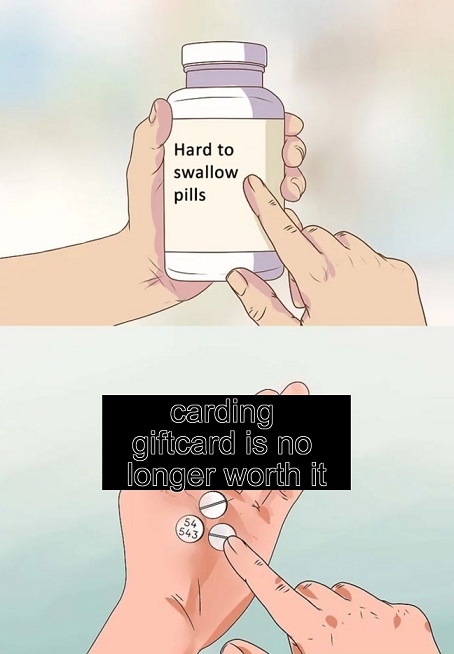
As we enter the present day, the landscape has changed dramatically. What was once a carder’s paradise has become a minefield of risk and diminishing returns. The easy money is gone, and all that’s left is the bitter pill that it’s not worth it anymore.
Time and Resources: The Double Whammy of Gift Card Carding
Let’s talk about the double whammy of gift card carding: time and resources. It’s not just the hours you waste; it’s also the crap you burn trying to make these outdated methods work.
This brings us to a principle I’ve seen in a variety of carding methods, but which fits gift card carding like a glove. I call it the Balance of Danger:
This principle isn’t just some theoretical BS. It’s a clear sign that a carding method has lost its edge, and gift cards are a prime example of this phenomenon.
In the world of gift card carding, you’re constantly trying to find that sweet spot.
Stick with high-value cards and you’ll likely get tagged, wasting time and cards on failed attempts. Stick with low-value cards and you’ve just signed up for a full-time minimum wage scam.
The balance of danger isn’t just about success or profit margins. It’s the hidden cost that’s sucking the life out of you: your damn time. Every minute you spend trying to dance around this paradox is a minute you could be making more money on more profitable ventures.
When a carding method/trick reaches that balance, it’s a clear sign that the juice is no longer worth the squeeze. And gift cards? They’re so deep in this realm, they could set up a permanent residence.
Resource Drain:
Gift card carding isn't just a time sink; it's a resource black hole. You're burning quality cards, shelling out for expensive residential proxies, dealing with extensive identity checks, and constantly updating anti-detection browsers. Every resource thrown at it isn't being used for more profitable endeavors. Let's say you invest $150 in setup costs alone - that's gone before your first attempt. Even with a 60-70% return on a good day, once you factor in failed attempts and wasted resources, you're barely breaking even. That's a significant opportunity cost that's often overlooked.
Groupthink: The Gift Card Carding Echo Chamber
"You're a bad gift card carder! I have a friend who can card thousands of dollars a day!"
Look, I'm not saying it's impossible to make a profit carding gift cards. But what are the odds that some newbie will stumble upon a method to consistently make money from one gift card store for months on end?
Here’s the thing: what’s killing gift card carding fast is groupthink. It’s a phenomenon that has turned the entire scene into a self-destructive fistfight.
Let me explain:
Limited Goals, Unlimited Greed: There aren’t many gift card sites, but there’s no shortage of carders looking to make a quick buck. It’s like a thousand hungry sharks circling a single seal.
The Water Effect: When one site tightens security or shuts down, the carders don’t just give up. They flow like water, finding the next crack to exploit. It’s a constant cycle of discovery, exploitation, and moving on.
Hype Train: Once someone finds a vulnerable site, word spreads like wildfire. Telegram groups light up, forums buzz, and suddenly every Tom, Dick, and Harry is trying to screw the same target.
Security Squeeze: All this attention forces sites to tighten up their security. What starts out as an easy target quickly becomes tougher than a virgin. It’s a self-fulfilling prophecy of failure.
Cash and Repeat: Once a site is blocked, the cycle begins again. It’s a never-ending game of whack-a-mole, with carders always one step behind.
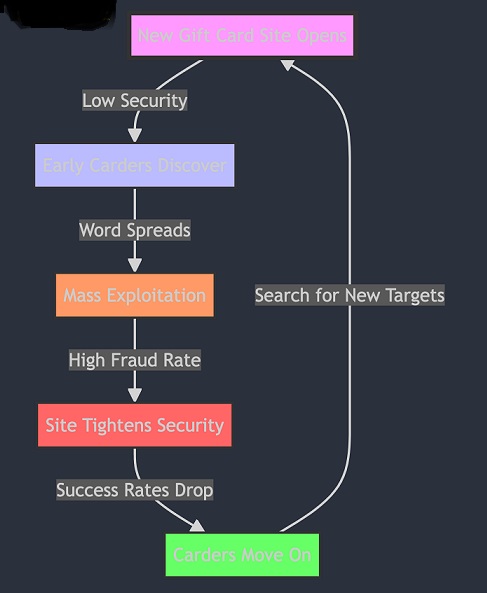
This group mentality creates a trickle-down effect that affects the entire gift card scene. Here's how it works:
It’s a self-destructive ecosystem. The very popularity of gift cards is killing it. Every “surefire” method sold on Telegram, every “guaranteed” hit touted on a forum, is just another nail in the coffin.
So when someone tells you they have a surefire way to gift cards, what they’re really saying is, “I found a loophole we’ve all been raping and it’s starting to close, so I’m just going to sell it to you.”
The gift card scene isn’t just dying; it’s eating itself alive.
Indian Curveball: How Tech Support Scams Changed the Game
Let’s take a moment to appreciate our friends from the subcontinent. While we were busy carding, they accidentally changed the entire gift card landscape.
Picture this: Indian call center scammers flooding phone lines with their “Microsoft tech support” routine.
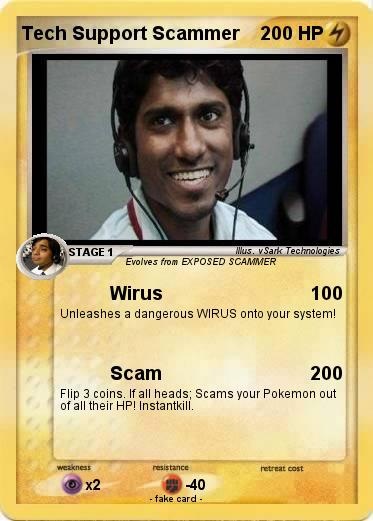
“Hello Madam. Your computer has a very nasty virus. Please purchase iTunes gift cards to fix it immediately.”
And just like that, sweet old ladies all over America started emptying gift card racks like idiots.
This shit blew up so badly that retailers had no choice but to tighten the screws. Suddenly, buying a $100 iTunes card online was harder than getting a backstage pass to a Beyoncé concert.
The funny thing is, these scams had nothing to do with carding, but they wiped out a huge chunk of online gift card transactions. Retailers became completely paranoid, and all gift card carding operations were caught in the crossfire.
So the next time your gift card transaction gets flagged, pour one out for Grandma Ethel and her accidental friendship with Mumbai’s best “tech support.”
They didn’t mean to scam us, but karma is a bitch, and sometimes it comes with an Indian accent.
Final Thoughts: The Gift Card Graveyard
Look, I’ve told you all about it. Gift card carding is a dying art, and for good reason. It’s time-consuming, it’s resource-intensive, and thanks to our friends in India, it’s harder than ever. The balance of danger has been tipped, and the risks far outweigh the potential rewards. Your time and resources are better spent on more profitable ventures that don’t require jumping through hoops for a measly payout.
But hey, I’m not the be-all and end-all of carding wisdom. If you have a point of view that challenges mine, I’m all ears. This game is constantly evolving, and maybe you’ve found a way to make gift cards work that I haven’t considered. So if you think I’m total crap, or if you have some secret sauce that makes gift cards work consistently, let’s hear it. I’m always open to learning something new.
At the end of the day, it's your time and your resources.
Just remember, in this game, staying ahead means knowing when to turn around and move on to greener pastures.
Gift cards are the low hanging fruit of the carding world. Everything is shiny, everything is everywhere, and everything is full of promises of easy money. Here’s the truth: they are a huge waste of your time.
Now, before you spit a sip of water on your screen thinking I’m crazy or have sold out to the Big Anti-Gift Card, just listen. This isn’t some half-baked opinion I’m pulling out of thin air. I’ve been in this game long enough to have seen the ups and downs of many carding trends, and gift cards are quickly becoming old news.
In this guide, we’re going to break down why gift cards are losing their appeal faster than a hooker’s cheap makeup. We’ll cover time, resources, Indians, and groupthink. You’ll understand why even carding veterans are quitting.
Don’t get me wrong: I’m not here to preach from some ivory tower. Now I know what’s on your mind: “This guy is full of shit,” or “I have some secret sauce that makes gift cards work for me.” Let’s get one thing straight: This is not a one-way street. Sure, I’m sharing some knowledge with you, but I’m also here to learn. So if you have another way — one that challenges mine — let’s get started. Give me a real discussion about the state of gift cards in 2024.
Okay, guys, here we go, buckle up, and open your minds. Let’s get to the bottom of why gift cards are the fool’s gold of carding. Maybe we’ll all learn something.
The Golden Age of Gift Cards
Let’s take a trip back in time to when gift cards were the holy grail of carding. It wasn’t just a trend; it was a gold rush.
Gift card carding used to be like printing money. You’d buy a few high-value cards, throw them across different platforms, and boom! Instant profit. The beauty? Low risk, high reward. Unlike physical goods, there were no shipping addresses to worry about, no packages to intercept. Just pure digital cash.
The real game changer was Paxful. When this peer-to-peer marketplace peaked, it was like someone had opened the floodgates. Suddenly, you had a direct pipeline from carded gift cards to cryptocurrency. It was beautiful in its simplicity: Card gift cards, sell them on Paxful for Bitcoin, cash out. Cash them out, repeat.
The profits were insane. You could see people turning $3,000 Amazon gift cards into $2,000 worth of Bitcoin in minutes. But that was just the tip of the iceberg.
Then along came the Chinese resellers. These guys turned gift card carding into a well-oiled machine. They would take those gift cards, buy up everything from electronics to designer goods, sell them in China, and resell them for cash. It was a clockwork operation, sucking money out of retailers faster than a black hole on steroids.
The ecosystem was beautiful in its complexity. Carders fed the machine with fresh cards, Paxful and other platforms laundered them into cryptocurrency, and the Chinese resellers turned that digital currency back into cold, hard cash through legitimate sales.
It wasn’t just about individual carders making a quick buck anymore. It was an industrial-scale scam, with entire networks dedicated to maximizing the profits from every gift card issued to the card. The retailers? They were losing money, often without realizing the full scale of the operation until it was too late.
This well-oiled machine worked around the clock, exploiting every loophole, maximizing every card, and turning gift card carding into a global enterprise. It was a golden age that seemed like it would never end.
But here’s where the story takes a turn. Like all good things in the carding world, it couldn’t last forever. The golden age of gift card carding began to fade.
Retailers got smart. They implemented stricter verification procedures. Suddenly, getting those expensive cards wasn’t as easy as it used to be. You’d find yourself jumping through hoops, providing “statements” and “selfies,” just to get your hands on a measly $50 card.
Paxful and similar platforms started cracking down, too. They have implemented their own verification procedures, making it harder to sell your card merchandise. The easy days of laundering gift cards are over.
As we enter the present day, the landscape has changed dramatically. What was once a carder’s paradise has become a minefield of risk and diminishing returns. The easy money is gone, and all that’s left is the bitter pill that it’s not worth it anymore.
Time and Resources: The Double Whammy of Gift Card Carding
Let’s talk about the double whammy of gift card carding: time and resources. It’s not just the hours you waste; it’s also the crap you burn trying to make these outdated methods work.
This brings us to a principle I’ve seen in a variety of carding methods, but which fits gift card carding like a glove. I call it the Balance of Danger:
"In any hopeless carding operation: as the potential profit increases, the risk of failure increases exponentially, reducing the success rate.
Conversely, pursuing safer, less valuable hits reduces the potential profit to the point of irrelevance.
You end up in a paradox where risk and reward are engaged in a zero-sum tug-of-war, with your time as the tug of war."
This principle isn’t just some theoretical BS. It’s a clear sign that a carding method has lost its edge, and gift cards are a prime example of this phenomenon.
In the world of gift card carding, you’re constantly trying to find that sweet spot.
Stick with high-value cards and you’ll likely get tagged, wasting time and cards on failed attempts. Stick with low-value cards and you’ve just signed up for a full-time minimum wage scam.
The balance of danger isn’t just about success or profit margins. It’s the hidden cost that’s sucking the life out of you: your damn time. Every minute you spend trying to dance around this paradox is a minute you could be making more money on more profitable ventures.
When a carding method/trick reaches that balance, it’s a clear sign that the juice is no longer worth the squeeze. And gift cards? They’re so deep in this realm, they could set up a permanent residence.
Resource Drain:
Gift card carding isn't just a time sink; it's a resource black hole. You're burning quality cards, shelling out for expensive residential proxies, dealing with extensive identity checks, and constantly updating anti-detection browsers. Every resource thrown at it isn't being used for more profitable endeavors. Let's say you invest $150 in setup costs alone - that's gone before your first attempt. Even with a 60-70% return on a good day, once you factor in failed attempts and wasted resources, you're barely breaking even. That's a significant opportunity cost that's often overlooked.
Groupthink: The Gift Card Carding Echo Chamber
"You're a bad gift card carder! I have a friend who can card thousands of dollars a day!"
Look, I'm not saying it's impossible to make a profit carding gift cards. But what are the odds that some newbie will stumble upon a method to consistently make money from one gift card store for months on end?
Here’s the thing: what’s killing gift card carding fast is groupthink. It’s a phenomenon that has turned the entire scene into a self-destructive fistfight.
Let me explain:
Limited Goals, Unlimited Greed: There aren’t many gift card sites, but there’s no shortage of carders looking to make a quick buck. It’s like a thousand hungry sharks circling a single seal.
The Water Effect: When one site tightens security or shuts down, the carders don’t just give up. They flow like water, finding the next crack to exploit. It’s a constant cycle of discovery, exploitation, and moving on.
Hype Train: Once someone finds a vulnerable site, word spreads like wildfire. Telegram groups light up, forums buzz, and suddenly every Tom, Dick, and Harry is trying to screw the same target.
Security Squeeze: All this attention forces sites to tighten up their security. What starts out as an easy target quickly becomes tougher than a virgin. It’s a self-fulfilling prophecy of failure.
Cash and Repeat: Once a site is blocked, the cycle begins again. It’s a never-ending game of whack-a-mole, with carders always one step behind.
This group mentality creates a trickle-down effect that affects the entire gift card scene. Here's how it works:
- New gift card site opens with weak security.
- A few smart carders discover this and start making money.
- Word spreads and suddenly it becomes the hottest thing since sliced bread.
- The site is flooded with fraudulent orders.
- Security measures are tightening, the percentage of successful investigations is falling.
- The carders move on to the next target and the cycle continues.
It’s a self-destructive ecosystem. The very popularity of gift cards is killing it. Every “surefire” method sold on Telegram, every “guaranteed” hit touted on a forum, is just another nail in the coffin.
So when someone tells you they have a surefire way to gift cards, what they’re really saying is, “I found a loophole we’ve all been raping and it’s starting to close, so I’m just going to sell it to you.”
The gift card scene isn’t just dying; it’s eating itself alive.
Indian Curveball: How Tech Support Scams Changed the Game
Let’s take a moment to appreciate our friends from the subcontinent. While we were busy carding, they accidentally changed the entire gift card landscape.
Picture this: Indian call center scammers flooding phone lines with their “Microsoft tech support” routine.
“Hello Madam. Your computer has a very nasty virus. Please purchase iTunes gift cards to fix it immediately.”
And just like that, sweet old ladies all over America started emptying gift card racks like idiots.
This shit blew up so badly that retailers had no choice but to tighten the screws. Suddenly, buying a $100 iTunes card online was harder than getting a backstage pass to a Beyoncé concert.
The funny thing is, these scams had nothing to do with carding, but they wiped out a huge chunk of online gift card transactions. Retailers became completely paranoid, and all gift card carding operations were caught in the crossfire.
So the next time your gift card transaction gets flagged, pour one out for Grandma Ethel and her accidental friendship with Mumbai’s best “tech support.”
They didn’t mean to scam us, but karma is a bitch, and sometimes it comes with an Indian accent.
Final Thoughts: The Gift Card Graveyard
Look, I’ve told you all about it. Gift card carding is a dying art, and for good reason. It’s time-consuming, it’s resource-intensive, and thanks to our friends in India, it’s harder than ever. The balance of danger has been tipped, and the risks far outweigh the potential rewards. Your time and resources are better spent on more profitable ventures that don’t require jumping through hoops for a measly payout.
But hey, I’m not the be-all and end-all of carding wisdom. If you have a point of view that challenges mine, I’m all ears. This game is constantly evolving, and maybe you’ve found a way to make gift cards work that I haven’t considered. So if you think I’m total crap, or if you have some secret sauce that makes gift cards work consistently, let’s hear it. I’m always open to learning something new.
At the end of the day, it's your time and your resources.
Just remember, in this game, staying ahead means knowing when to turn around and move on to greener pastures.