


We’ve all been there: One minute you’re cruising through a site with orders flowing effortlessly, and the next minute nothing’s working at all. It’s not just bad luck — it’s what I call the replication problem in fraud. When you keep reusing the same working method, you’re essentially giving the fraud detection systems all the clues they need, making any future transactions that much harder. You’re giving them all the tools they need to block you.
I’ve already covered AI evasion in my guide: "Consistent evasion of the antifraud system during the carding process", but here we get to your overall philosophy for understanding this phenomenon. This isn’t a simple cheat sheet; it’s a philosophy that will push you to think on your feet and adapt as you go. Long-term success depends on understanding the inner workings of the modern platforms you encounter and learning as you go.
The Concept of Replication
Imagine this: You manage to steal a Macbook Pro from Best Buy using a fresh CVV. You might even get two or three. The company barely blinks — it's just another day of fraud losses for them. But here's where it gets interesting: When you start consistently logging into their site day after day, ordering cheap AirPods like they're going out of style, the same way? That's when their ears perk up. That's when the systems start going nuts.
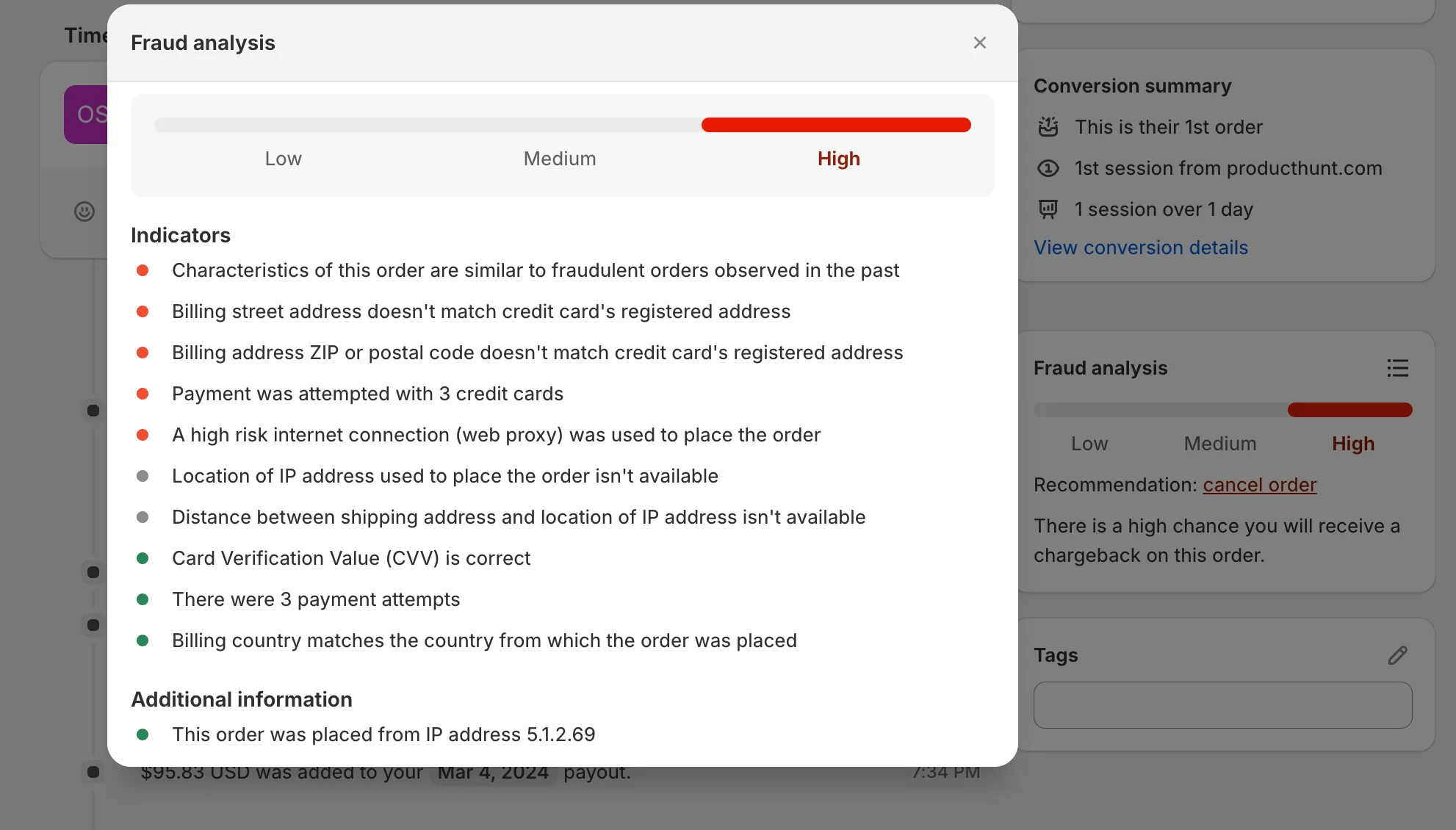
You see, consistent carding success means you’ve found a foolproof way to bypass their defenses. And that scares the crap out of these companies, because it means you can scale your operation. Once you crack their code, you’re not just a one-hit wonder — you can replicate that success over and over again, maybe even pass the method on to others. That’s why more and more retailers are turning to AI-powered anti-fraud systems. These aren’t your grandfather’s security measures — they’re sophisticated bastards specifically designed to detect and stop repeatable successful patterns.
The deeper your history of successful orders, the more data you feed their AI. It begins to recognize your fingerprint and behavior, noting every move that matches your previous hits. Before you know it, that golden method that worked like a charm starts to fail, and the system retroactively links all your past successes to block any future attempts. Essentially, you’ve given them a blueprint for your own downfall.
Black Boxes
One of the main reasons these systems work so well is because they act like black boxes. Have you ever tried to figure out why your perfectly placed order was rejected? You won’t know for sure. These digital bastards are deliberately designed to keep you in the dark – you see the rejection, but good luck figuring out why. Was it the billing address? The card? Your IP? The system won’t tell you shit.
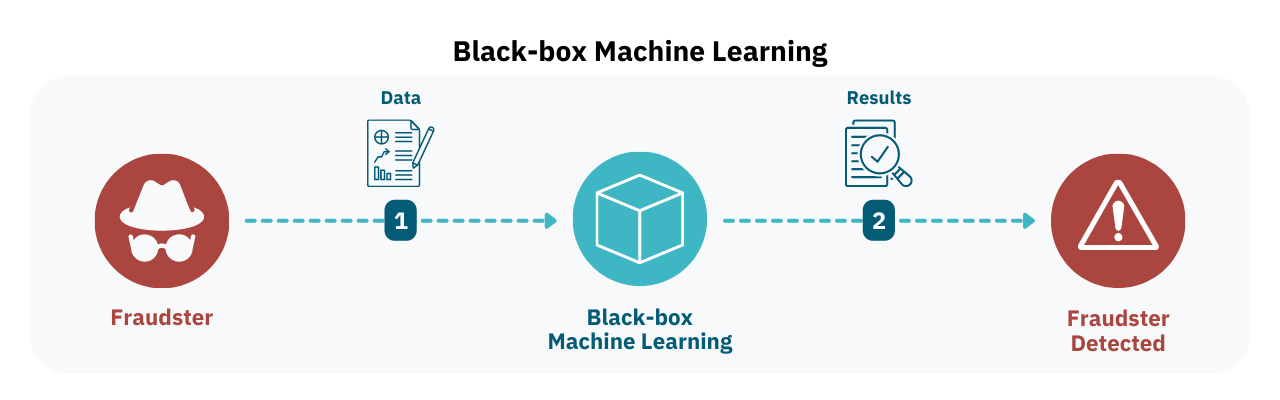
It’s like playing poker against a man who never shows his cards – you’re stuck making educated guesses, tweaking variables one by one, hoping to crack the code. The more you try, the more confused you become. Every failed attempt makes you question everything, even if you’ve triple-checked every detail. There’s nothing more soul-crushing than watching a solid setup crumble without any explanation.
Blacklists and Requirements
But all is not lost. The truth is that many sites have yet to jump on the AI anti-fraud bandwagon. Some have, but they keep it on a low leash – perhaps they’re tired of angering legitimate customers with false rejections, or they’re not willing to pay the astronomical fees these AI anti-fraud providers charge. Instead, they stick to the old defense: static rules and requirements.

Static rules? Child’s play. Address spoofing and using old email accounts will help you get around them. And those pesky requirements – identity verification, please call us to check some details, 3DS mini codes? Most scammers see through them and run. But that’s why they’re your secret weapon. The platforms and sites that implement them are your path to consistent, repeatable wins.
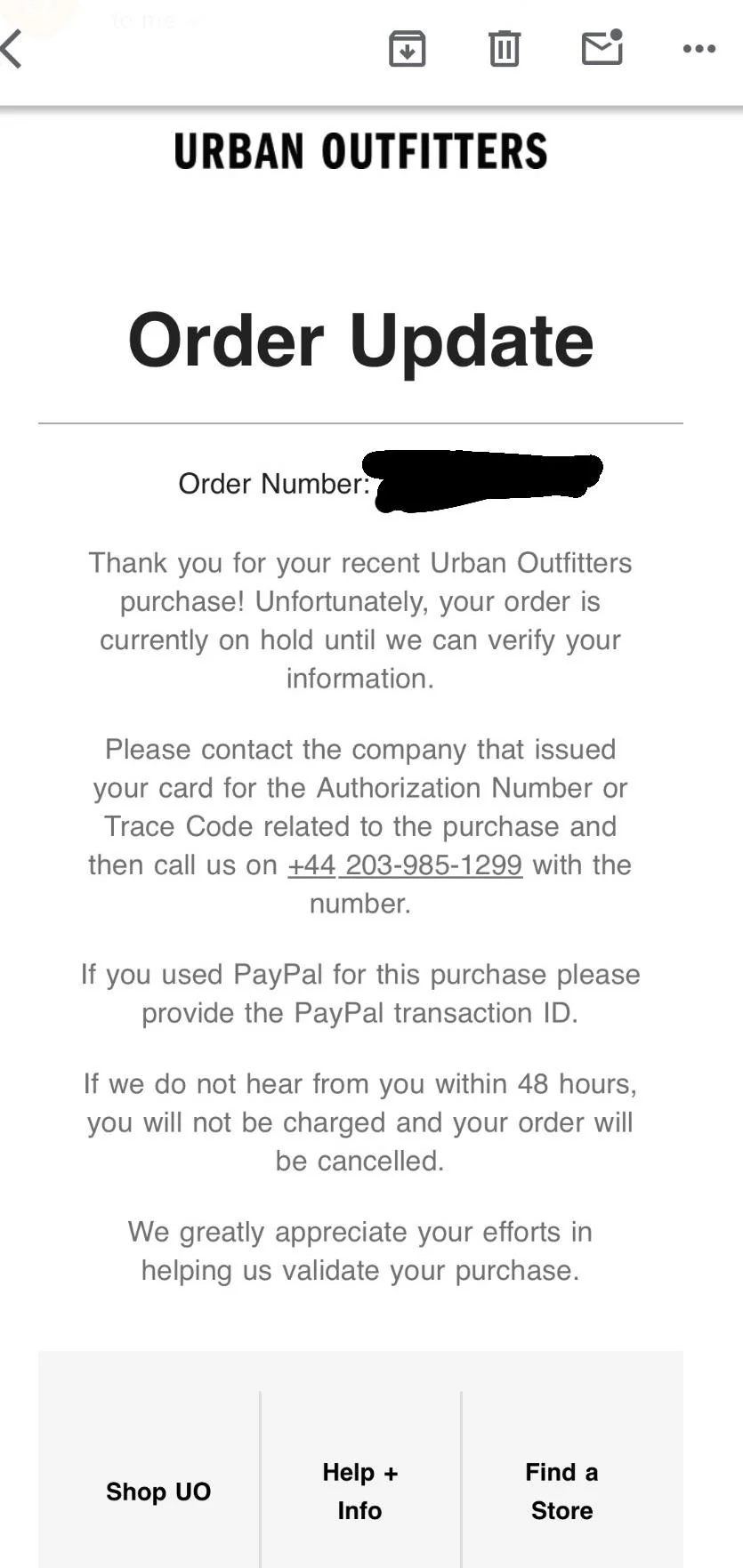
Think strategically: Would you rather fight an AI that is constantly learning and evolving, or deal with a site that just wants to see some documents that you can easily forge for $20? In 2025, those “annoying” verification requirements are actually your key to success. While everyone else is banging their heads against complex AI systems, you can quietly make money on sites with these simpler, more understandable barriers.
Example: Remitly vs. G2A
To give an example of a high barrier site (many requirements) that is better suited for carding than a low barrier site protected by AI, we can compare Remitly and G2A.
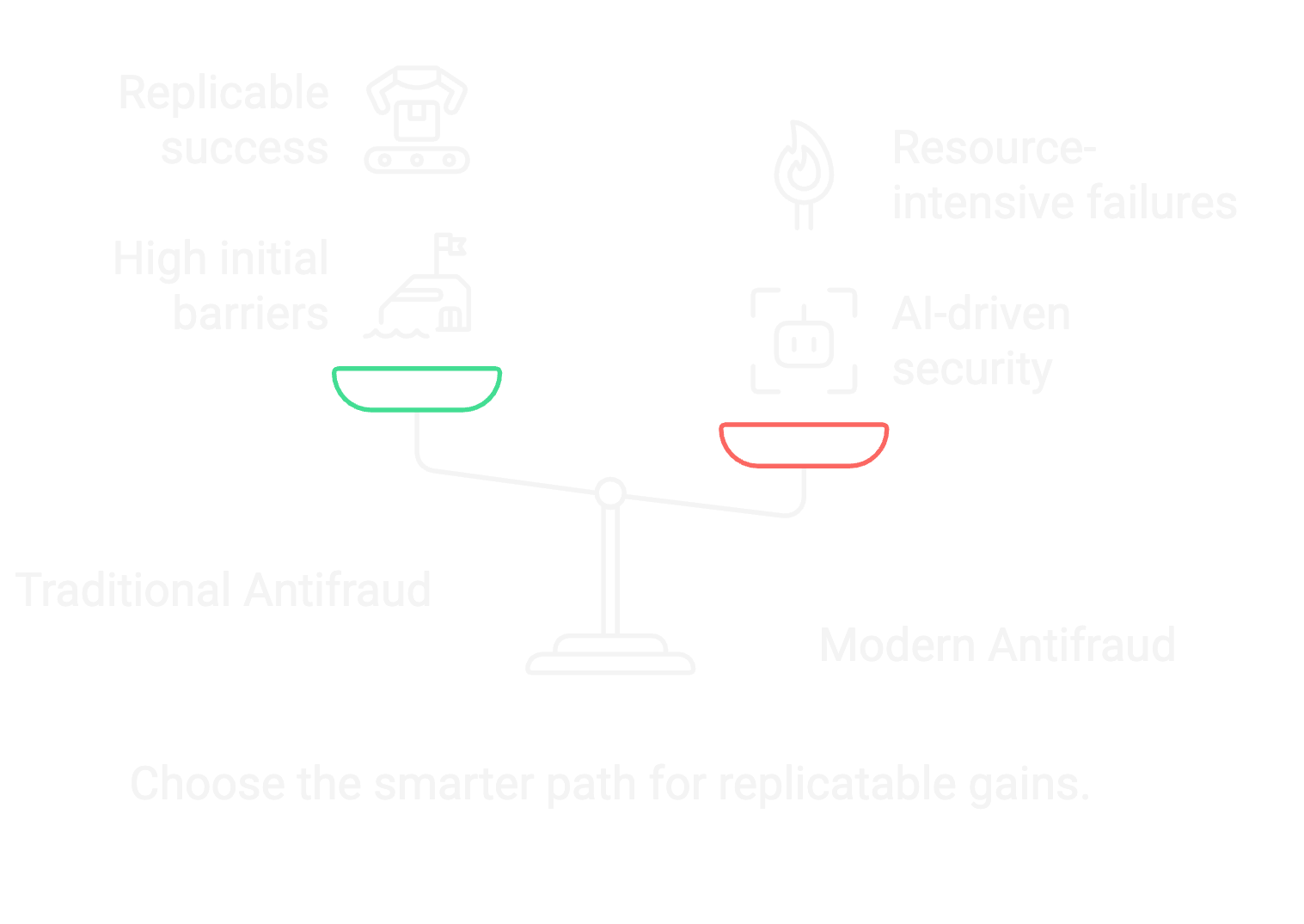
Remitly seems like a nightmare at first glance. You need flawless debit cards, ID checks, drops in foreign countries, and they’ll call you if they smell anything. But here’s the beauty of it — once you crack their system and gain traction, those barriers become your best friends. Why? Because they’re consistent, predictable, and most importantly, the success is replicable.
And then there’s G2A. Seems simple enough – just grab the gift cards and jump in, right? Wrong. Their AI-powered anti-fraud system is a rabid watchdog on steroids. Sure, you might score a few wins early on, but you’ll be wasting cards and proxies like matches trying to maintain some consistency. At the end of the day, you’ll have spent twice as many resources for half the profit you could have made on Remitly. Sometimes the harder way is actually the smarter play.
Work Smarter, Not Harder
In 2025, AI-powered anti-fraud will be everywhere, making it harder than ever to replicate wins. But here’s the thing – if you’re tired of this emotional rollercoaster where one day you’re on top and the next you can’t do anything, there’s a better way. Instead of fighting AI, embrace those sites and platforms with strict requirements and tough verification processes.
Think about it - when 90% of scammers see ID verification or phone calls, they run. Their loss is your gain. Once you figure out how to overcome these obstacles, you'll have a reliable money printer while everyone else is wasting their time playing whack-a-mole with AI. The initial setup may be a pain in the ass, but trust me - mastering these "high-barrier" sites will pay off in spades.
Now get started and show these guys who's really running the show.
(c) Telegram: d0ctrine
Our Telegram chat: BinX Labs
I’ve already covered AI evasion in my guide: "Consistent evasion of the antifraud system during the carding process", but here we get to your overall philosophy for understanding this phenomenon. This isn’t a simple cheat sheet; it’s a philosophy that will push you to think on your feet and adapt as you go. Long-term success depends on understanding the inner workings of the modern platforms you encounter and learning as you go.
The Concept of Replication
Imagine this: You manage to steal a Macbook Pro from Best Buy using a fresh CVV. You might even get two or three. The company barely blinks — it's just another day of fraud losses for them. But here's where it gets interesting: When you start consistently logging into their site day after day, ordering cheap AirPods like they're going out of style, the same way? That's when their ears perk up. That's when the systems start going nuts.
You see, consistent carding success means you’ve found a foolproof way to bypass their defenses. And that scares the crap out of these companies, because it means you can scale your operation. Once you crack their code, you’re not just a one-hit wonder — you can replicate that success over and over again, maybe even pass the method on to others. That’s why more and more retailers are turning to AI-powered anti-fraud systems. These aren’t your grandfather’s security measures — they’re sophisticated bastards specifically designed to detect and stop repeatable successful patterns.
The deeper your history of successful orders, the more data you feed their AI. It begins to recognize your fingerprint and behavior, noting every move that matches your previous hits. Before you know it, that golden method that worked like a charm starts to fail, and the system retroactively links all your past successes to block any future attempts. Essentially, you’ve given them a blueprint for your own downfall.
Black Boxes
One of the main reasons these systems work so well is because they act like black boxes. Have you ever tried to figure out why your perfectly placed order was rejected? You won’t know for sure. These digital bastards are deliberately designed to keep you in the dark – you see the rejection, but good luck figuring out why. Was it the billing address? The card? Your IP? The system won’t tell you shit.
It’s like playing poker against a man who never shows his cards – you’re stuck making educated guesses, tweaking variables one by one, hoping to crack the code. The more you try, the more confused you become. Every failed attempt makes you question everything, even if you’ve triple-checked every detail. There’s nothing more soul-crushing than watching a solid setup crumble without any explanation.
Blacklists and Requirements
But all is not lost. The truth is that many sites have yet to jump on the AI anti-fraud bandwagon. Some have, but they keep it on a low leash – perhaps they’re tired of angering legitimate customers with false rejections, or they’re not willing to pay the astronomical fees these AI anti-fraud providers charge. Instead, they stick to the old defense: static rules and requirements.
Static rules? Child’s play. Address spoofing and using old email accounts will help you get around them. And those pesky requirements – identity verification, please call us to check some details, 3DS mini codes? Most scammers see through them and run. But that’s why they’re your secret weapon. The platforms and sites that implement them are your path to consistent, repeatable wins.
Think strategically: Would you rather fight an AI that is constantly learning and evolving, or deal with a site that just wants to see some documents that you can easily forge for $20? In 2025, those “annoying” verification requirements are actually your key to success. While everyone else is banging their heads against complex AI systems, you can quietly make money on sites with these simpler, more understandable barriers.
Example: Remitly vs. G2A
To give an example of a high barrier site (many requirements) that is better suited for carding than a low barrier site protected by AI, we can compare Remitly and G2A.
Remitly seems like a nightmare at first glance. You need flawless debit cards, ID checks, drops in foreign countries, and they’ll call you if they smell anything. But here’s the beauty of it — once you crack their system and gain traction, those barriers become your best friends. Why? Because they’re consistent, predictable, and most importantly, the success is replicable.
And then there’s G2A. Seems simple enough – just grab the gift cards and jump in, right? Wrong. Their AI-powered anti-fraud system is a rabid watchdog on steroids. Sure, you might score a few wins early on, but you’ll be wasting cards and proxies like matches trying to maintain some consistency. At the end of the day, you’ll have spent twice as many resources for half the profit you could have made on Remitly. Sometimes the harder way is actually the smarter play.
Work Smarter, Not Harder
In 2025, AI-powered anti-fraud will be everywhere, making it harder than ever to replicate wins. But here’s the thing – if you’re tired of this emotional rollercoaster where one day you’re on top and the next you can’t do anything, there’s a better way. Instead of fighting AI, embrace those sites and platforms with strict requirements and tough verification processes.
Think about it - when 90% of scammers see ID verification or phone calls, they run. Their loss is your gain. Once you figure out how to overcome these obstacles, you'll have a reliable money printer while everyone else is wasting their time playing whack-a-mole with AI. The initial setup may be a pain in the ass, but trust me - mastering these "high-barrier" sites will pay off in spades.
Now get started and show these guys who's really running the show.
(c) Telegram: d0ctrine
Our Telegram chat: BinX Labs