


One extremely important thing that is rarely talked about in regards to carding is the concept of account collisions. Picture this: you have a new CC ready to use, you are about to hit checkout, but BAM – the site informs you that this card is already linked to another account. What the hell just happened?
An account collision is not just some minor inconvenience – it is a potential obstacle that can completely derail your carding and potentially get you screwed. When the card you are trying to use already has an existing account on the target site, you are no longer just dealing with basic fraud detection – you are playing a game with an AI that has the owner’s profile on its side.
In this guide, we will take an in-depth look at the concept of account collisions – what causes them, why they matter, and most importantly, how to avoid having your entire operation collapse.
What is an account collision?
An account collision occurs when you attempt to use a card on a site where the actual cardholder already has an existing account. This crap is especially common on large platforms like Amazon, Walmart, or any other large site that already uses your cardholder.
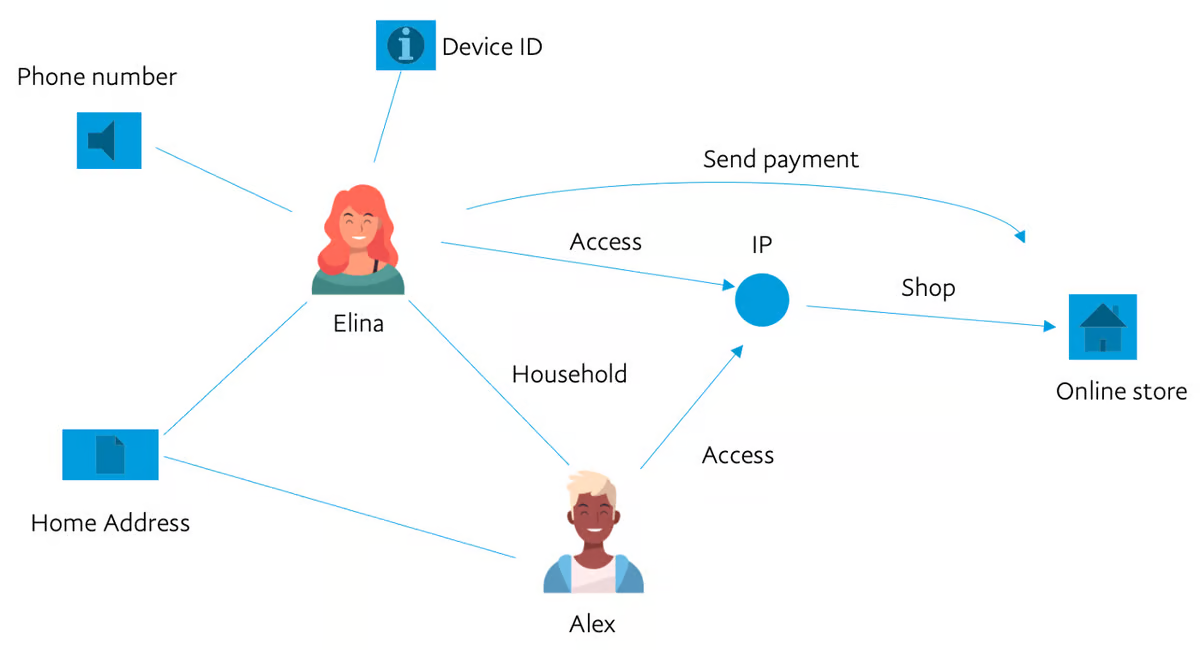
Here’s why it’s such a huge fucking problem: When you have account collision, you’re no longer just dealing with standard fraud detection. Now the site has a legitimate profile to compare your shady ass to. Every aspect of your session — your device fingerprint, your location, your browsing patterns, your shipping address — is measured against the established patterns of cardholders’ behavior when they use their own account.
Think about it: If someone has been ordering from Amazon direct from Chicago for 5 years, always shipping to the same address from a MacBook, and suddenly the “account owner” tries to order a PS5 for delivery to Miami from a Windows device… it’s going to raise more red flags than a communist parade.
The real problem with account collision is that it fundamentally changes the entire fraud detection process:
Using the Clash to Your Advantage
But all is not lost — account clashes are not always your enemy. In fact, with the right approach, you can use this situation to your advantage. Here’s the beautiful irony: legitimate customers are damn dirty with their accounts.
Think about it: How many times has your tech-shy aunt created new accounts because she “forgot her password”? Or your paranoid uncle who creates separate accounts for his own “special purchases”?
Legitimate customers create multiple accounts for a variety of reasons:
This chaos creates the perfect trick for your carding.
Using the Gap
The real magic here is not in memorizing some rigid blueprint, but in understanding the underlying philosophy and applying it creatively. Let's break down how this mindset works with a few real-world examples that will make this topic crystal clear.
PS Make sure you have a new card with all the juicy details - full user agent IP address information - before you hit the pay button. The more information you have, the better your chances.
PayPal
The first step is to check if those emails are already in PayPal's system. Try signing up for it - if PayPal gives you an "account already exists" message, congratulations, you've just verified that your cardholders have an account.
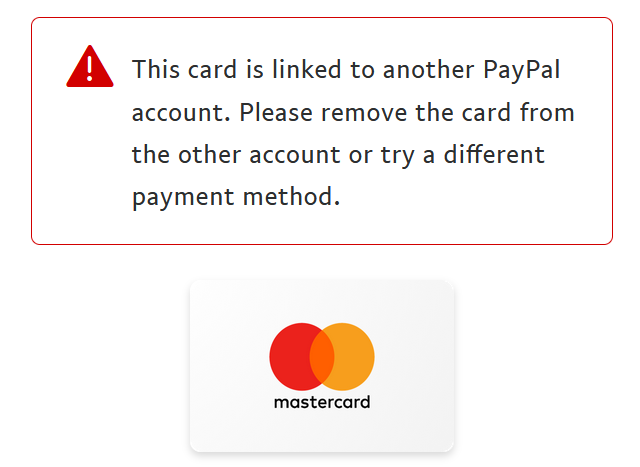
Now some smartass is going to say, “Having a PayPal account doesn’t mean the cards are linked to it!” Here’s the brutal truth: it doesn’t matter. Even if they only used that card once for a guest checkout, having an account means PayPal’s clustering algorithms have already linked the checkout attempt to their identity in their backend. So what does that mean for you? It means that in order to use a card with PayPal, you must, for all intents and purposes, perfectly impersonate the user as best you can. If you’ve read my guide to logging, you should understand this by now:
Amazon
Amazon is another perfect example of account collision in action. Most people and their grandmothers already have an Amazon account — meaning that if you try to pay for a large purchase with a new account using their card, you'll quickly crash and burn.
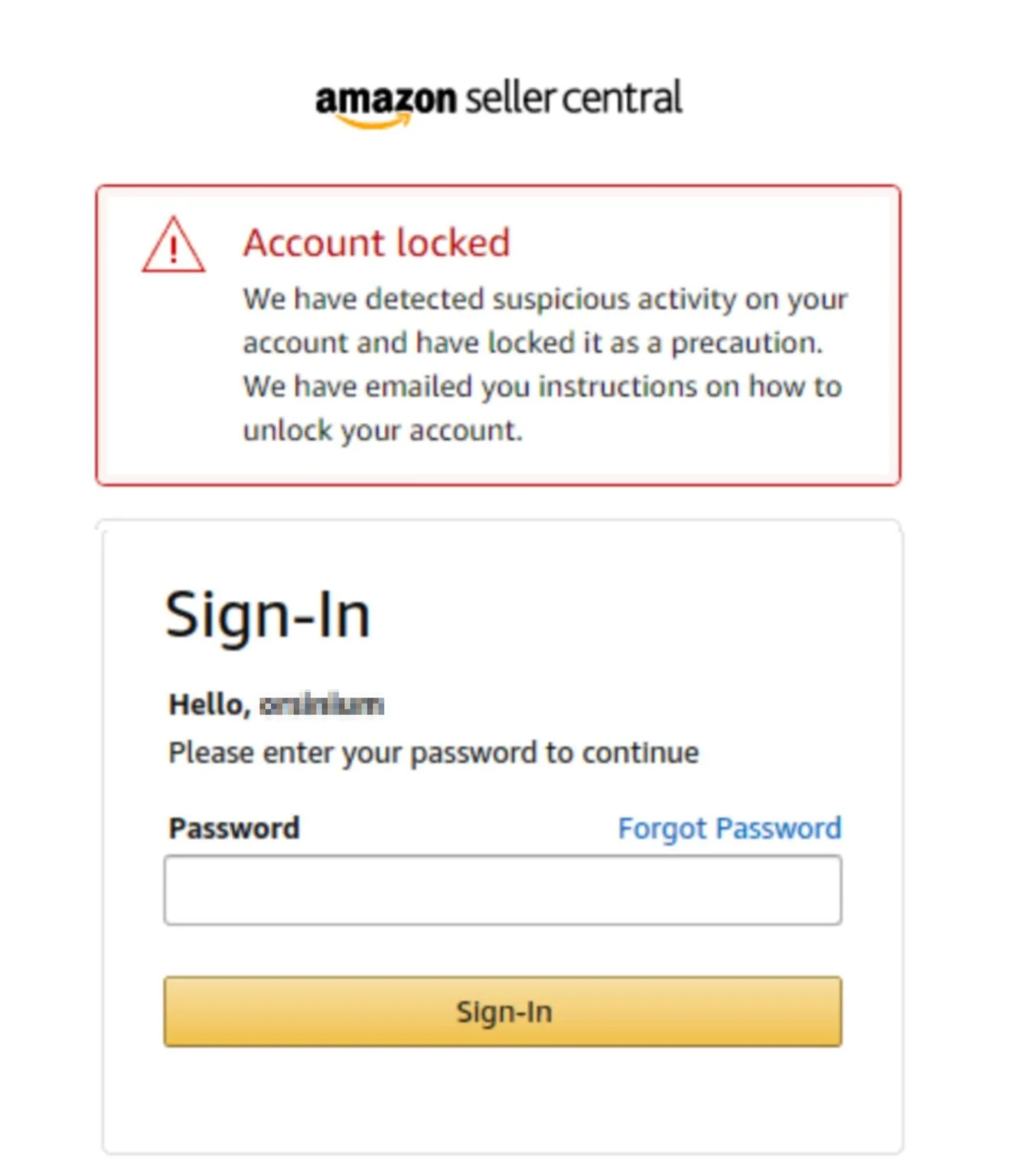
The solution? Like PayPal, you need to become a digital twin of your cardholder. But with Amazon, you can go even further to make your purchase sweeter.
Before you even think about a big purchase, start small. Buy a few gift cards and send them directly to the cardholder’s email (after verifying that they have an Amazon account, of course). This clever little move essentially links your account to theirs in Amazon’s backend systems.
Why does this work? Because Amazon’s AI treats these gift card transactions as a legitimate connection between accounts. Think about it — people often buy gift cards for family members, friends, or even themselves. By mimicking this behavior, you teach Amazon’s algorithms that there is a “trust relationship” between these accounts. The beauty of this approach is that it:
Remember, though: This isn’t a fucking guarantee. You’ll still need to master all the basics — device fingerprinting, proper IP configuration, and maintaining consistent session patterns. The gift card trick just adds another layer of legitimacy to your newly created account.
Conclusion
PayPal and Amazon are just scratching the surface of this topic. The same philosophy applies to virtually every major platform and bank where your token might have an existing account — from Apple to Zelle to BOA and everything in between.
Think about it: Any service that processes financial transactions will have sophisticated fraud detection systems looking for account conflicts. The larger the platform, the more data points it tracks, and the more important it becomes to perfectly reflect your owner’s digital footprint.
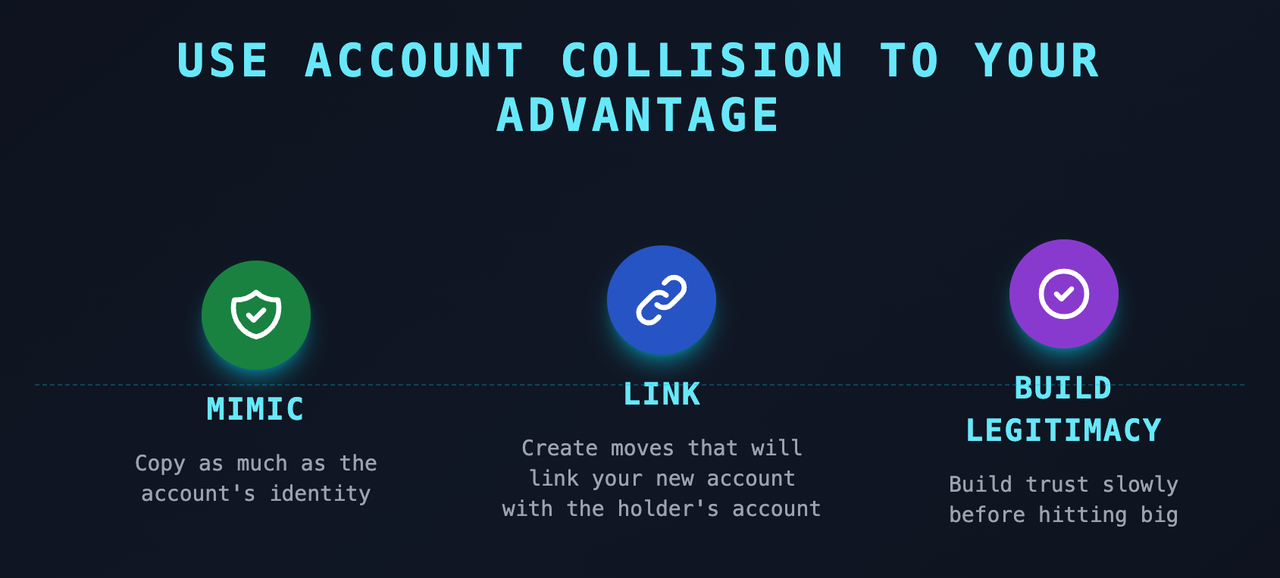
Remember, this isn’t some magical “one weird trick” that scammers are trying to sell you in their Telegram groups. It’s about understanding how modern fraud detection actually works and adapting your approach accordingly. Every major platform uses sophisticated clustering algorithms to connect identifiers — and if you’re not taking this into account, you’re just throwing away money and time.
When you’re analyzing a new target site, the first question you should ask yourself is, “How likely is it that my target already has an account here?” If it’s a major platform — especially something financial or e-commerce-related — the answer is “very likely.” That means you need to factor account collisions into your strategy from day one.
The difference between success and failure often comes down to understanding these basic mechanisms. Stop chasing nonsense “techniques” and start thinking about how these systems actually work. This is what separates the script kiddies from the professionals who actually make money consistently in this game.
Now go and start thinking like the systems you're trying to beat. And remember - if you're not learning the concepts that matter, you're already screwed before you even start.
(c) Telegram: d0ctrine
An account collision is not just some minor inconvenience – it is a potential obstacle that can completely derail your carding and potentially get you screwed. When the card you are trying to use already has an existing account on the target site, you are no longer just dealing with basic fraud detection – you are playing a game with an AI that has the owner’s profile on its side.
In this guide, we will take an in-depth look at the concept of account collisions – what causes them, why they matter, and most importantly, how to avoid having your entire operation collapse.
What is an account collision?
An account collision occurs when you attempt to use a card on a site where the actual cardholder already has an existing account. This crap is especially common on large platforms like Amazon, Walmart, or any other large site that already uses your cardholder.
Here’s why it’s such a huge fucking problem: When you have account collision, you’re no longer just dealing with standard fraud detection. Now the site has a legitimate profile to compare your shady ass to. Every aspect of your session — your device fingerprint, your location, your browsing patterns, your shipping address — is measured against the established patterns of cardholders’ behavior when they use their own account.
Think about it: If someone has been ordering from Amazon direct from Chicago for 5 years, always shipping to the same address from a MacBook, and suddenly the “account owner” tries to order a PS5 for delivery to Miami from a Windows device… it’s going to raise more red flags than a communist parade.
The real problem with account collision is that it fundamentally changes the entire fraud detection process:
- No collision: The AI only needs to assess whether your current session looks legitimate
- With Collision: AI compares your session to actual cardholder behavior over months and years
Using the Clash to Your Advantage
But all is not lost — account clashes are not always your enemy. In fact, with the right approach, you can use this situation to your advantage. Here’s the beautiful irony: legitimate customers are damn dirty with their accounts.
Think about it: How many times has your tech-shy aunt created new accounts because she “forgot her password”? Or your paranoid uncle who creates separate accounts for his own “special purchases”?
Legitimate customers create multiple accounts for a variety of reasons:
- Forgot your password, screw it, time for a new account
- Separation of business and personal purchases
- Different email boxes for different purposes
- Gift purchases that they don't want to see in their main order history

- Pure laziness or confusion
This chaos creates the perfect trick for your carding.
Using the Gap
The real magic here is not in memorizing some rigid blueprint, but in understanding the underlying philosophy and applying it creatively. Let's break down how this mindset works with a few real-world examples that will make this topic crystal clear.
PS Make sure you have a new card with all the juicy details - full user agent IP address information - before you hit the pay button. The more information you have, the better your chances.
PayPal
The first step is to check if those emails are already in PayPal's system. Try signing up for it - if PayPal gives you an "account already exists" message, congratulations, you've just verified that your cardholders have an account.
Now some smartass is going to say, “Having a PayPal account doesn’t mean the cards are linked to it!” Here’s the brutal truth: it doesn’t matter. Even if they only used that card once for a guest checkout, having an account means PayPal’s clustering algorithms have already linked the checkout attempt to their identity in their backend. So what does that mean for you? It means that in order to use a card with PayPal, you must, for all intents and purposes, perfectly impersonate the user as best you can. If you’ve read my guide to logging, you should understand this by now:
- Copying the user-agent and matching systems
- Residential proxies with corresponding ASN
- Email Checking and SMS Bombing
Amazon
Amazon is another perfect example of account collision in action. Most people and their grandmothers already have an Amazon account — meaning that if you try to pay for a large purchase with a new account using their card, you'll quickly crash and burn.
The solution? Like PayPal, you need to become a digital twin of your cardholder. But with Amazon, you can go even further to make your purchase sweeter.
Before you even think about a big purchase, start small. Buy a few gift cards and send them directly to the cardholder’s email (after verifying that they have an Amazon account, of course). This clever little move essentially links your account to theirs in Amazon’s backend systems.
Why does this work? Because Amazon’s AI treats these gift card transactions as a legitimate connection between accounts. Think about it — people often buy gift cards for family members, friends, or even themselves. By mimicking this behavior, you teach Amazon’s algorithms that there is a “trust relationship” between these accounts. The beauty of this approach is that it:
- Creates a legitimate connection
- Creates a transaction history
- Makes larger purchases seem natural
- Uses customer behavior patterns
Remember, though: This isn’t a fucking guarantee. You’ll still need to master all the basics — device fingerprinting, proper IP configuration, and maintaining consistent session patterns. The gift card trick just adds another layer of legitimacy to your newly created account.
Conclusion
PayPal and Amazon are just scratching the surface of this topic. The same philosophy applies to virtually every major platform and bank where your token might have an existing account — from Apple to Zelle to BOA and everything in between.
Think about it: Any service that processes financial transactions will have sophisticated fraud detection systems looking for account conflicts. The larger the platform, the more data points it tracks, and the more important it becomes to perfectly reflect your owner’s digital footprint.
Remember, this isn’t some magical “one weird trick” that scammers are trying to sell you in their Telegram groups. It’s about understanding how modern fraud detection actually works and adapting your approach accordingly. Every major platform uses sophisticated clustering algorithms to connect identifiers — and if you’re not taking this into account, you’re just throwing away money and time.
When you’re analyzing a new target site, the first question you should ask yourself is, “How likely is it that my target already has an account here?” If it’s a major platform — especially something financial or e-commerce-related — the answer is “very likely.” That means you need to factor account collisions into your strategy from day one.
The difference between success and failure often comes down to understanding these basic mechanisms. Stop chasing nonsense “techniques” and start thinking about how these systems actually work. This is what separates the script kiddies from the professionals who actually make money consistently in this game.
Now go and start thinking like the systems you're trying to beat. And remember - if you're not learning the concepts that matter, you're already screwed before you even start.
(c) Telegram: d0ctrine