


One thing I've always preached in my guides is this: create your own damn niche. While the masses are scrambling for Macbooks and iPhones, the real money comes from sites no one else touches. Combine this with targeting high-value, low-risk items, and you have a recipe for consistent profits that will continue to generate income long after other carders' methods have burned out.
Let me show you, in practice, how to approach a target and turn it into a stable money-making machine.
Balance cost and risk
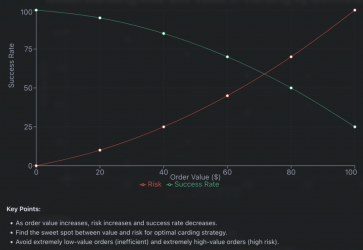
Each merchant's fraud detection is shaped by what they've seen before. The more fraud attempts they deal with, the stricter their security becomes. That's why targeting mass-market products like iPhones or PlayStations is damn amateurish — these products have been scammed so many times that AI systems can sniff out your nonsense before you even hit the checkout.
Your job as a strategic carder isn't just about finding high-ticket items — it's about finding valuable products that other carders are too foolish to target. The real money is in high-end niche markets where anti-fraud teams haven't yet developed antibodies. While detection systems are programmed to thoroughly scrutinize every purchase of electronics and luxury goods, they often ignore equally valuable products in less obvious categories.
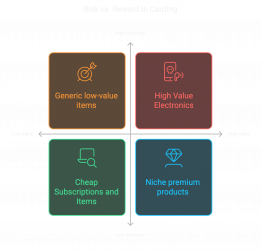
Think about it:
The golden mean isn't just about price, but also about finding the balance between value and merchant complacency. You need products that are expensive enough to be worth your time, but in markets where fraud prevention is still catching up.
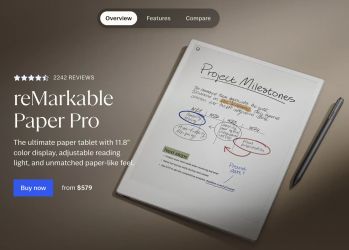
That's why, to give you a practical example, I'm going to show you how to get into Remarkable, a premium electronic tablet company that's essentially the Apple of digital paper. Their products hit the perfect sweet spot: expensive enough to be worth your time, yet completely under the radar of most carders. While other scammers are burning their cards on ordinary electronics, we're going to exploit a market that's literally begging to be hit.
Why Remarkable?
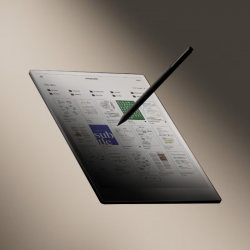
Most carders wouldn't touch an e-book company because they can't see beyond their own fucking screens. They're too busy fighting for gift cards and phones, completely missing this digital sweet spot. And why? Simple — these idiots haven't touched a book since they got their first phone. Their ignorance makes us money.
Those premium e-ink tablets aren't cheap crap — we're talking $650 to $2,000 per try. While those other idiots are burning their cards trying to get their hundredth try into a MacBook, we're quietly clearing out a market they don't even know exists.
Resale is also going swimmingly. It turns out there's a whole world of people who actually read and want quality crap for their books. Professionals, students, tech nerds — they'll buy these tablets without hesitation, often at prices close to retail. No sitting on dead inventory like those clowns with garages full of PS5s they can't move.
And since no one's thinking of attacking ebooks, Remarkable's security is dead simple. They use standard Stripe processing with Stripe Radar configured — no fancy AI tricks on their main site, no complicated checks. Just simple checks that any decent carder can handle in their sleep. They've never bothered with beefing up security, because who the hell checks ebooks? Well, we do.
Requirements and process
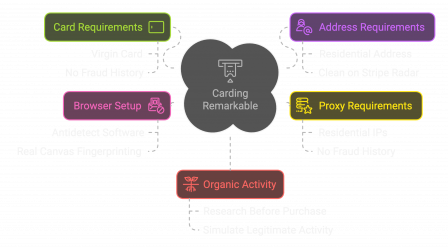
First, your card — not just some random piece of plastic. You need a pristine card that hasn't previously passed through Stripes' systems. Why? Because Stripe maintains a blacklist, and once a card is marked as fraudulent, it's dead forever to them, even if the card is still alive. No amount of clean proxies or profiles will save a burned card on Stripe.
For your drop, you need a clean residential address — none of that commercial nonsense about redeliveries. These tablets aren't cheap, and while Remarkable itself doesn't care, Stripes' fraud detection system will shit itself if your drop address has been burned too many times. A residential address that's still clean on Stripes' radar is worth its weight in gold here.
Your proxy game needs to be tough, too. We're talking residential IP addresses that match your billing region. Don't even think about data center proxies — Stripe sniffs them out faster than a drug-sniffing dog at an airport. And make sure your proxy servers are clean — there's no previous fraud history attached to that IP address.
Your browser needs a proper anti-detection engine that processes real canvas fingerprinting. No fake canvas garbage — that crap sticks out like a sore thumb for Stripe. Your browser should look like a legitimate client setup with consistent fingerprints across the board.
The process

Remarkable may be lax on security, but creating natural browsing patterns is always a good habit. Before you even think about adding anything to your cart, go to Google and search for "Remarkable tablet reviews" or similar queries. Browse some review sites, maybe watch a YouTube review. This creates that organic traffic pattern that makes you look legitimate.
When you're ready to buy, here's a pro move most carders miss: ALWAYS use their discount codes. Remarkable places their promotions right on their homepage — usually 10-15% off your first purchase. Why? Because real customers love discounts, and using their official coupon makes your order look legit. Plus, it reduces the amount you need to redeem — win-win. Even that standard 10% discount code can mean the difference between a successful payment and a declined one.
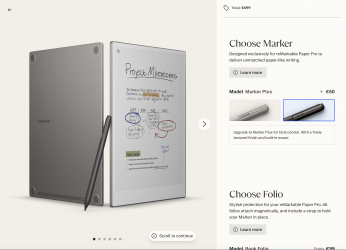
Add the item to your cart, but don't rush to checkout. Browse around a bit, maybe check out their accessories or blog. Real customers aren't rushing to pay — they're exploring. When you click checkout, take your time filling out these forms. No copy-pasting nonsense — enter this information the way a real person would.
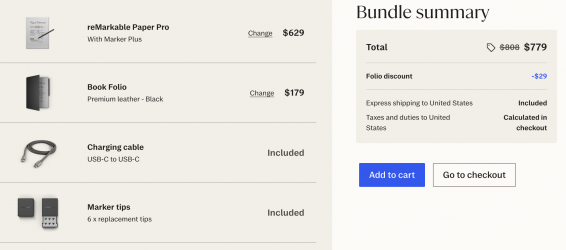
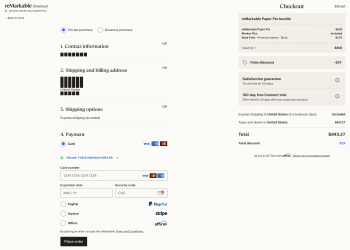
If you've done everything right — a clean card, proper setup, natural patterns, and smart coupon use — you should expect a successful order. Remember, it's not about speed — it's about appearing legitimate at every step of the process.
Bottom Line
In 1-2 days, you'll receive that sweet delivery confirmation email. And just like that, you've turned the concept of balancing cost and risk into cold, hard profit.
The beauty here isn't just the profit — it proves that strategic thinking beats brute force every damn time. While other carders are getting rejected trying to enter the same oversaturated markets, you just walked away with a premium account from a merchant they didn't even know existed.
Take that mindset and start exploring. Seek out those premium specialty retailers, high-end hobbyists, professional equipment suppliers — anywhere that sells expensive crap that hasn't been scammed to death. The possibilities are endless if you know where to look.
Remarkable
While is a cute example of this concept, the real lesson here goes far beyond that single goal. This guide isn't really about e-ink tablets — it's about reprogramming your brain to spot perfect risk-reducing opportunities hiding in plain sight.
Once you start thinking in terms of this balance, you'll never look at merchants the same way again. Products and niches you usually skim start glowing with potential. That overpriced specialty equipment store? That premium hobbyist supplier? Suddenly, they transform from boring showcases into untapped opportunities.
The real power move isn't copying my methods, but understanding the underlying strategy. Find these high-value products in markets where fraud teams are still playing catch-up. Look for products that are expensive enough to be worth your time, but obscure enough that they don't trigger all the existing fraud alerts.
Remember: while other carders mindlessly pursue the same old goals, you're now ready to spot and exploit those perfect sweet spots that no one else is touching. That's the difference between burning cards and building a sustainable operation.
(c) Telegram: d0ctrine
Let me show you, in practice, how to approach a target and turn it into a stable money-making machine.
Balance cost and risk
Each merchant's fraud detection is shaped by what they've seen before. The more fraud attempts they deal with, the stricter their security becomes. That's why targeting mass-market products like iPhones or PlayStations is damn amateurish — these products have been scammed so many times that AI systems can sniff out your nonsense before you even hit the checkout.
Your job as a strategic carder isn't just about finding high-ticket items — it's about finding valuable products that other carders are too foolish to target. The real money is in high-end niche markets where anti-fraud teams haven't yet developed antibodies. While detection systems are programmed to thoroughly scrutinize every purchase of electronics and luxury goods, they often ignore equally valuable products in less obvious categories.
Think about it:
- Mass-market electronics: high cost, but maximum heat
- Common low-value items: easy hits, but a waste of resources
- Premium niche products: high value with minimal resistance
The golden mean isn't just about price, but also about finding the balance between value and merchant complacency. You need products that are expensive enough to be worth your time, but in markets where fraud prevention is still catching up.
That's why, to give you a practical example, I'm going to show you how to get into Remarkable, a premium electronic tablet company that's essentially the Apple of digital paper. Their products hit the perfect sweet spot: expensive enough to be worth your time, yet completely under the radar of most carders. While other scammers are burning their cards on ordinary electronics, we're going to exploit a market that's literally begging to be hit.
Why Remarkable?
Most carders wouldn't touch an e-book company because they can't see beyond their own fucking screens. They're too busy fighting for gift cards and phones, completely missing this digital sweet spot. And why? Simple — these idiots haven't touched a book since they got their first phone. Their ignorance makes us money.
Those premium e-ink tablets aren't cheap crap — we're talking $650 to $2,000 per try. While those other idiots are burning their cards trying to get their hundredth try into a MacBook, we're quietly clearing out a market they don't even know exists.
Resale is also going swimmingly. It turns out there's a whole world of people who actually read and want quality crap for their books. Professionals, students, tech nerds — they'll buy these tablets without hesitation, often at prices close to retail. No sitting on dead inventory like those clowns with garages full of PS5s they can't move.
And since no one's thinking of attacking ebooks, Remarkable's security is dead simple. They use standard Stripe processing with Stripe Radar configured — no fancy AI tricks on their main site, no complicated checks. Just simple checks that any decent carder can handle in their sleep. They've never bothered with beefing up security, because who the hell checks ebooks? Well, we do.
Requirements and process
First, your card — not just some random piece of plastic. You need a pristine card that hasn't previously passed through Stripes' systems. Why? Because Stripe maintains a blacklist, and once a card is marked as fraudulent, it's dead forever to them, even if the card is still alive. No amount of clean proxies or profiles will save a burned card on Stripe.
For your drop, you need a clean residential address — none of that commercial nonsense about redeliveries. These tablets aren't cheap, and while Remarkable itself doesn't care, Stripes' fraud detection system will shit itself if your drop address has been burned too many times. A residential address that's still clean on Stripes' radar is worth its weight in gold here.
Your proxy game needs to be tough, too. We're talking residential IP addresses that match your billing region. Don't even think about data center proxies — Stripe sniffs them out faster than a drug-sniffing dog at an airport. And make sure your proxy servers are clean — there's no previous fraud history attached to that IP address.
Your browser needs a proper anti-detection engine that processes real canvas fingerprinting. No fake canvas garbage — that crap sticks out like a sore thumb for Stripe. Your browser should look like a legitimate client setup with consistent fingerprints across the board.
The process
Remarkable may be lax on security, but creating natural browsing patterns is always a good habit. Before you even think about adding anything to your cart, go to Google and search for "Remarkable tablet reviews" or similar queries. Browse some review sites, maybe watch a YouTube review. This creates that organic traffic pattern that makes you look legitimate.
When you're ready to buy, here's a pro move most carders miss: ALWAYS use their discount codes. Remarkable places their promotions right on their homepage — usually 10-15% off your first purchase. Why? Because real customers love discounts, and using their official coupon makes your order look legit. Plus, it reduces the amount you need to redeem — win-win. Even that standard 10% discount code can mean the difference between a successful payment and a declined one.
Add the item to your cart, but don't rush to checkout. Browse around a bit, maybe check out their accessories or blog. Real customers aren't rushing to pay — they're exploring. When you click checkout, take your time filling out these forms. No copy-pasting nonsense — enter this information the way a real person would.
If you've done everything right — a clean card, proper setup, natural patterns, and smart coupon use — you should expect a successful order. Remember, it's not about speed — it's about appearing legitimate at every step of the process.
Bottom Line
In 1-2 days, you'll receive that sweet delivery confirmation email. And just like that, you've turned the concept of balancing cost and risk into cold, hard profit.
The beauty here isn't just the profit — it proves that strategic thinking beats brute force every damn time. While other carders are getting rejected trying to enter the same oversaturated markets, you just walked away with a premium account from a merchant they didn't even know existed.
Take that mindset and start exploring. Seek out those premium specialty retailers, high-end hobbyists, professional equipment suppliers — anywhere that sells expensive crap that hasn't been scammed to death. The possibilities are endless if you know where to look.
Remarkable
While is a cute example of this concept, the real lesson here goes far beyond that single goal. This guide isn't really about e-ink tablets — it's about reprogramming your brain to spot perfect risk-reducing opportunities hiding in plain sight.
Once you start thinking in terms of this balance, you'll never look at merchants the same way again. Products and niches you usually skim start glowing with potential. That overpriced specialty equipment store? That premium hobbyist supplier? Suddenly, they transform from boring showcases into untapped opportunities.
The real power move isn't copying my methods, but understanding the underlying strategy. Find these high-value products in markets where fraud teams are still playing catch-up. Look for products that are expensive enough to be worth your time, but obscure enough that they don't trigger all the existing fraud alerts.
Remember: while other carders mindlessly pursue the same old goals, you're now ready to spot and exploit those perfect sweet spots that no one else is touching. That's the difference between burning cards and building a sustainable operation.
(c) Telegram: d0ctrine