


One of the most underrated aspects of carding is the strategic use of cookies and referrers. Sure, log buyers may understand this on a superficial level, treating it like a box to tick. Meanwhile, the rest of you carders probably go blank at the mere mention of these terms.
But I’m here to tell you something that might blow your mind: your cookies and referrers are just as important as your proxies. Think about it – when was the last time – as a legitimate buyer – you landed directly on a product page without going to the site first? Real customers don’t buy that way, and fraud protection systems know it.
By the time you finish reading this guide, you’ll understand why visiting a site without cookies or referrers is like walking into an expensive store wearing a ski mask. You'll learn how to make your carding sessions look as natural as any legitimate buyer's, and how to stop shooting yourself in the foot with rookie mistakes with cookies.
Cookies
Have you ever wondered why websites remember your details even after you close them? That's cookies - tiny data files that started out as a convenient feature but have evolved into digital tracking devices. The bastards were just supposed to save your shopping cart and login details, but corporate greed had other plans.
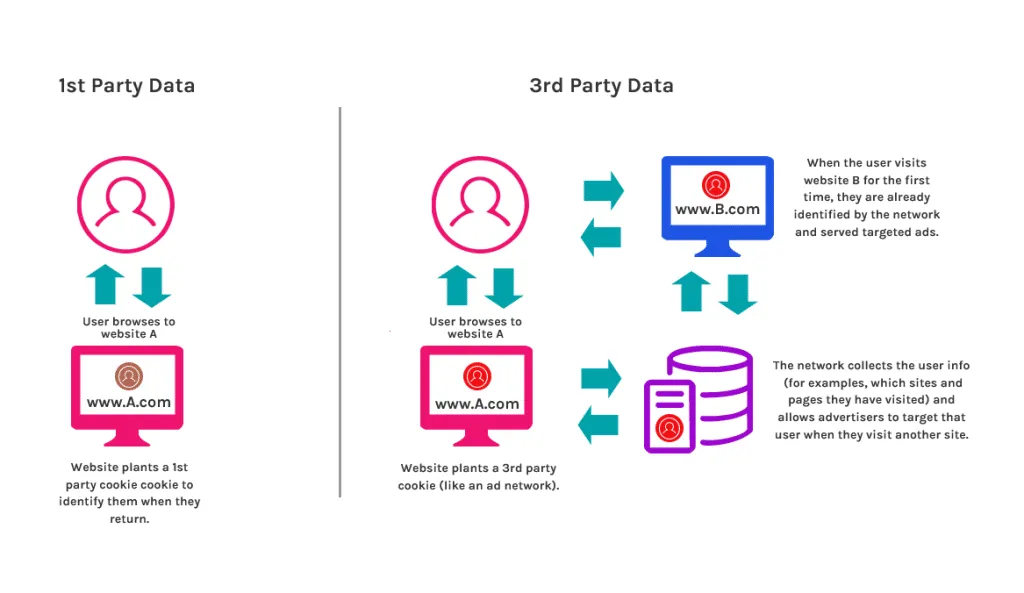
Some idiot in marketing figured out that cookies are perfect for stalking customers online. Now, these packets of data don’t just save your shopping cart — they record every damn thing you do online. Every product you drool over, every link you click, feeds into massive databases that profile your browsing habits like a digital FBI dossier.
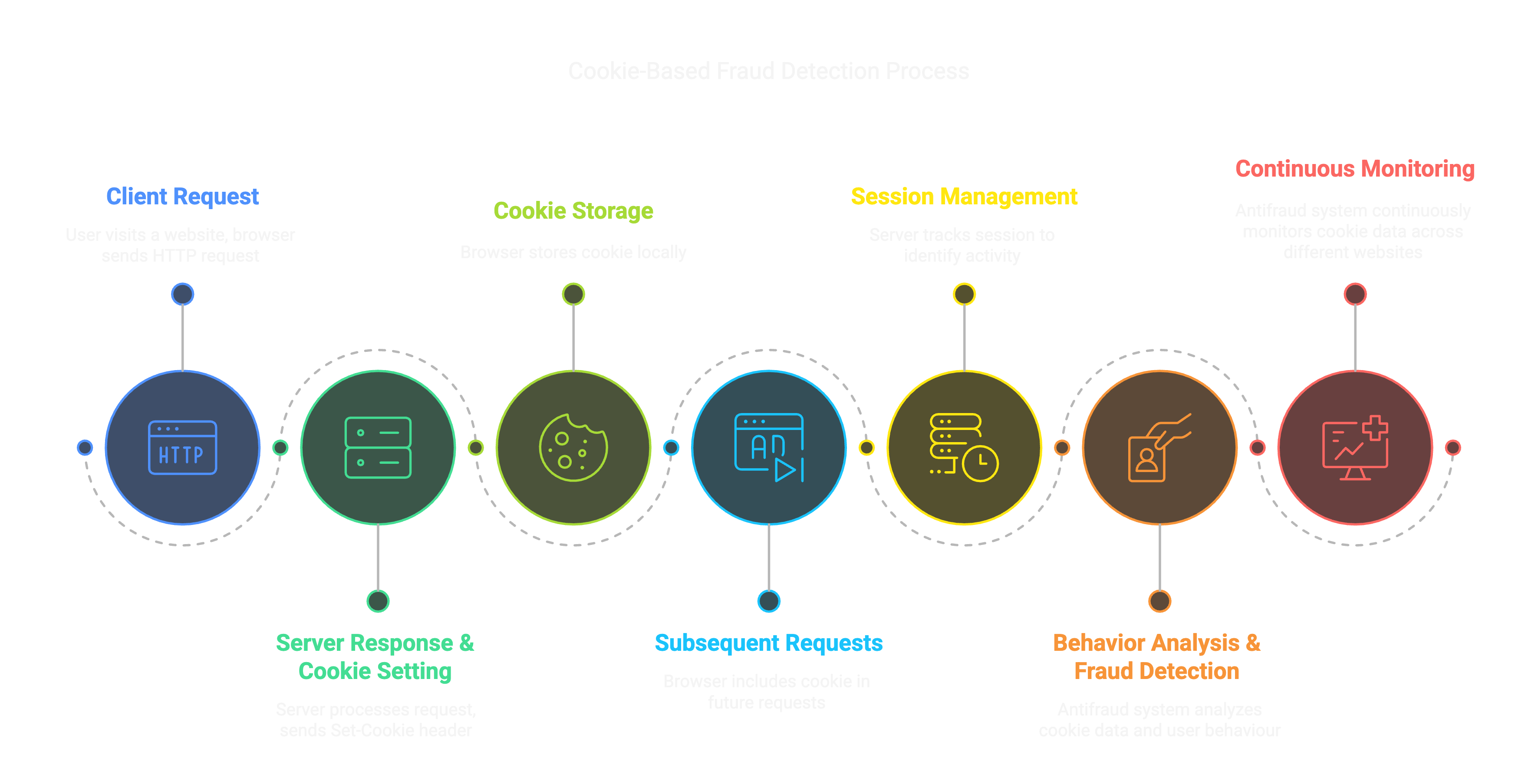
For us carders, this tracking nonsense has created a huge problem. Modern fraud protection systems don’t just check your card details anymore — they analyze your cookie patterns like a forensics team at a murder scene. They’re hunting for evidence that you’re a real customer with a legitimate browsing history.
Take Stripe Radar, for example. This sneaky bastard injects JavaScript into virtually every website that uses Stripe as a payment processor (which is a shit ton of sites). Since Stripe’s tentacles span half the internet, they can instantly tell when a transaction is coming from a “fresh” browser with no cookie history. No previous interaction with other Stripe-powered sites? That’s a huge red flag.
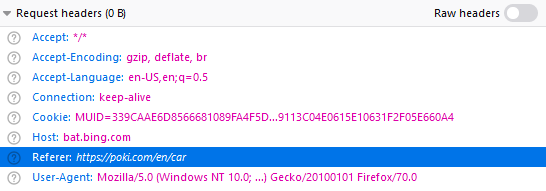
For example, here’s a typical HTTP log when you visit a Stripe-powered site just 5 seconds later:
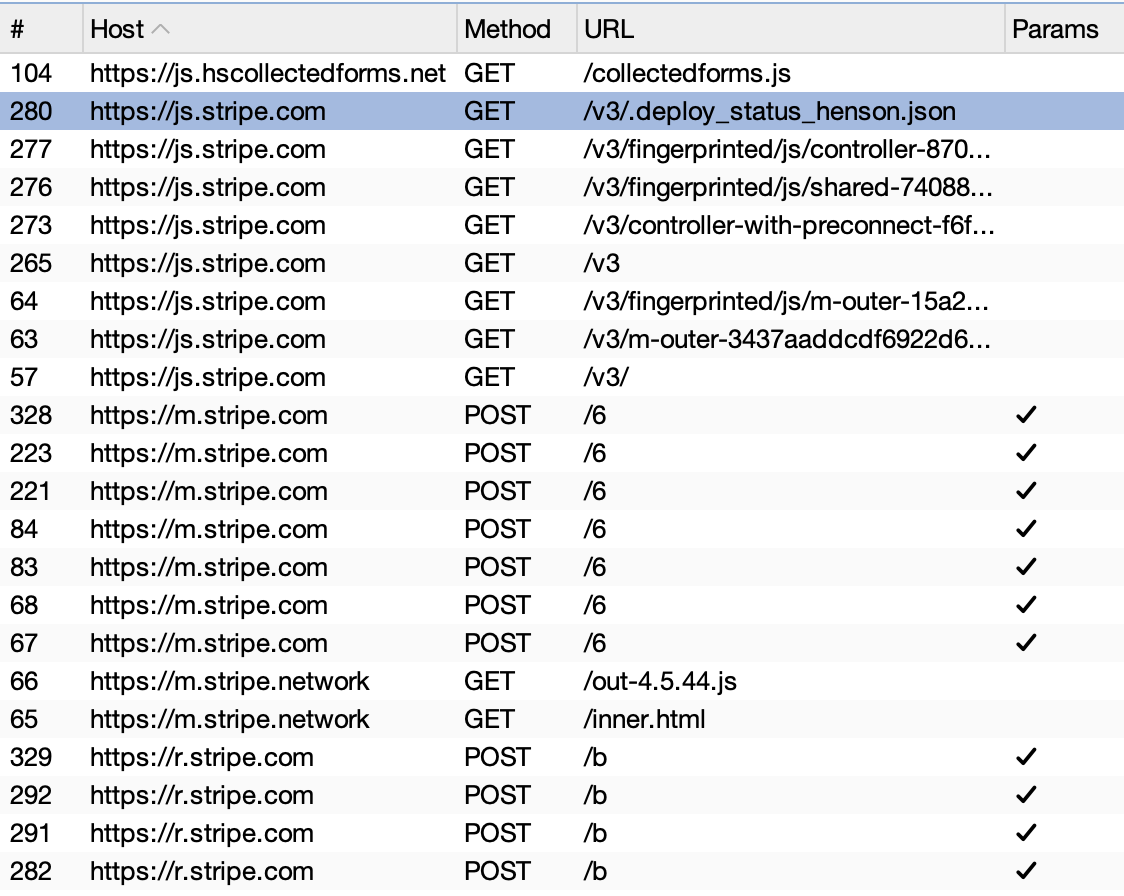
All of these requests include your cookies, so they know and can see what sites you're browsing, not just the one you're currently visiting.

This problem is magnified when you’re working with residential proxies. Even with “sticky” residential proxies, IP addresses are unstable and fickle — changing addresses when you least expect it. So when Stripe sees your cookies bouncing between different IP addresses like a pinball, your fraud score skyrockets. Every IP change makes your cookie profile more suspicious, and before you know it, your transaction is being rejected with no explanation. Referrers
Referrers
started out as a simple way for websites to track where their traffic was coming from — essentially digital word-of-mouth analytics. But like cookies, these innocent little data points have evolved into something far more complex and dangerous for carders who don’t know what they’re doing.
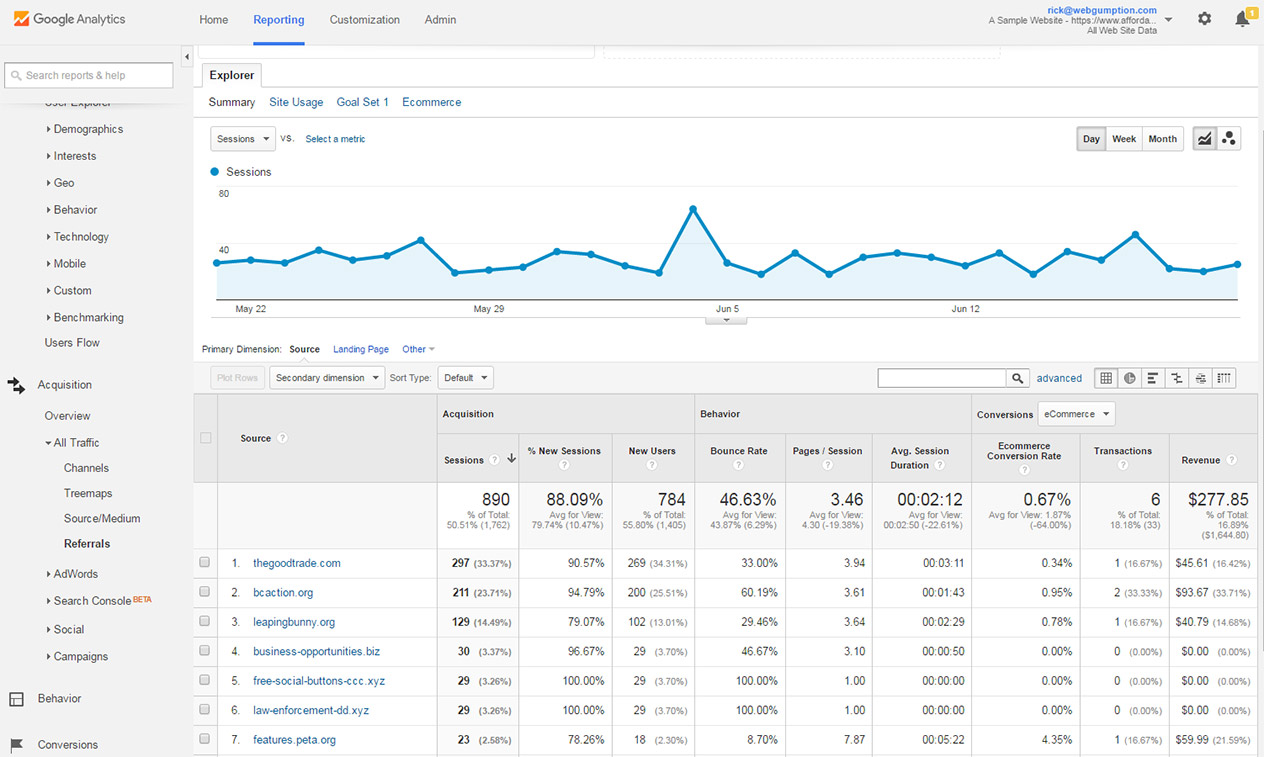
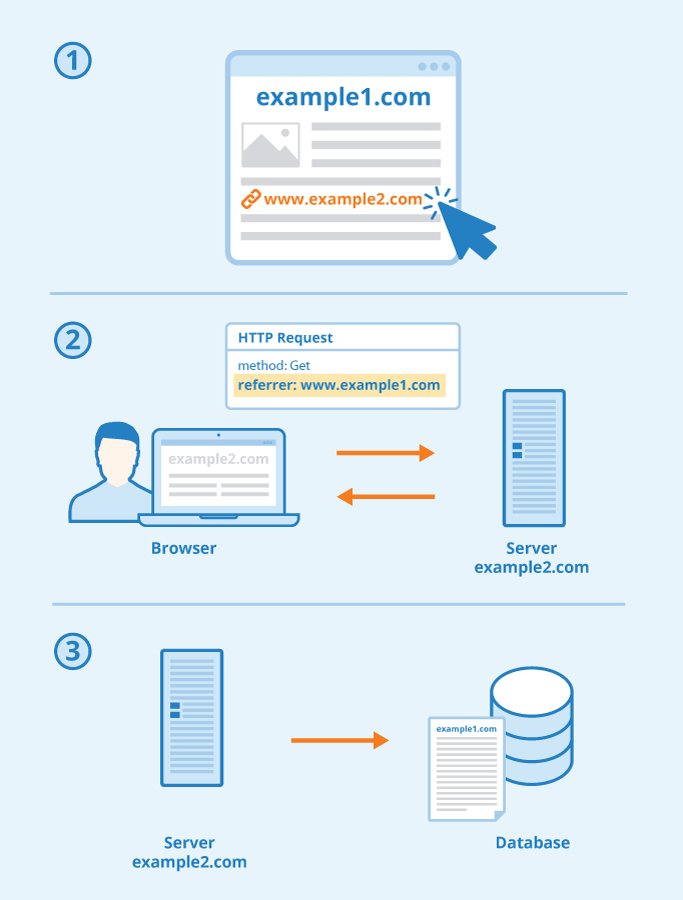
Every time you click on a link, your browser whispers to the destination site where you came from. This isn’t just a pointless technical detail — it’s a fundamental part of how real people navigate the web. When was the last time you typed a full URL for a product directly into your browser? Never, because that’s not how real people shop online.
Real customers start their shopping like normal people - on Google or some shopping site. They search for "where to buy Jordan 1s" or "best PS5 price" and then click on what pops up. Their referrer data tells the story - from google.com/search through price comparison sites, maybe some YouTube reviews, before finally pulling the trigger.
Legitimate shoppers browse like they have ADHD on cocaine. After their first search, they're everywhere - comparing prices in 20 tabs, clicking on random Instagram ads, reading reviews to see if their fat ass fits the size chart. Their referral trail is like a drunk spider's web, because that's how normal people actually shop.
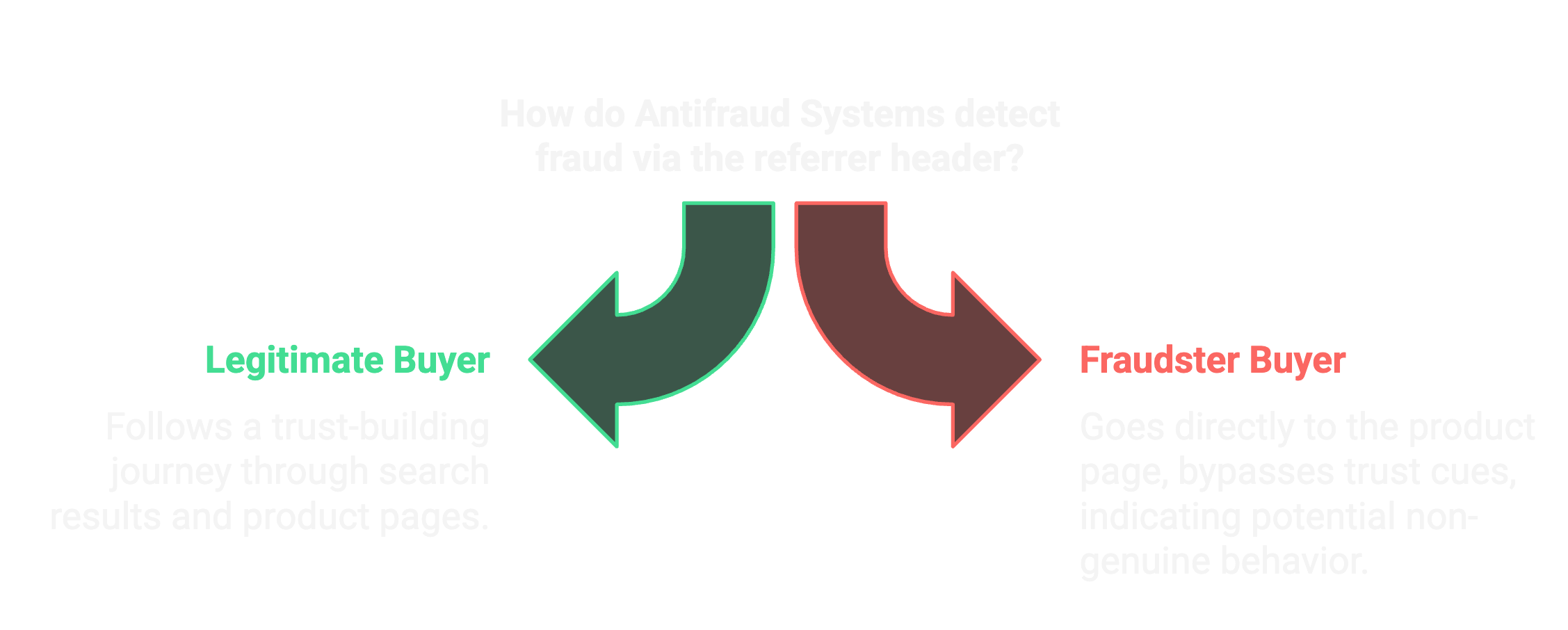
Systems like Forter have turned this behavioral analysis into a goddamn science experiment. They don’t just check your referrers — they build full psychological profiles of your shopping habits. Their AI monitors everything from your mouse movements to your typing speed, but most importantly, they expect to see that chaotic, inefficient browsing pattern starting with common entry points.

Getting straight to a product page and then rushing to checkout? You’re basically wearing a neon sign that says “FRAUD.” Real customers leave their digital DNA everywhere — browsing categories, comparing crap, reading reviews, checking shipping rates to their mom’s house. Every random action makes your session seem more legitimate, but it all starts with those all-important first referrers from search engines and shopping sites.
Learning Your Lessons
So how do you play this game smarter? It’s all about warming up your digital fingerprints. Think of it this way: You wouldn’t go robbing a bank without first inspecting the joint, right? The same principle applies online.
For cookies, you need to build up some history. Anti-detection browsers like Linken Sphere understand this — they have features to automatically “warm up” your profiles. Basically, it’s like sending your digital ghost to wander the web for a bit, visiting random cookie-crumb-generating sites before you go shopping for glasses. If your anti-detect doesn’t do this automatically, you’d better start doing it manually. Spend some time browsing like a normal damn person before jumping into the site you’re about to visit.
And referrers? Bloody simple. Make it a habit, a bloody reflex: Always access the site you’re visiting via Google search first. Targeting a new Lenovo laptop? Don’t just type lenovo.com like an idiot. Google “Lenovo laptops,” click the search result, and then go to the product page. This simple step makes your referrer look legitimate. It tells the site you came from Google, like a normal shopper. It’s a small detail, but fraud protection systems eat it up.

Cookies and referrers are not a magic wand. They will not turn your card into a goose that lays golden eggs overnight. And if you’re just doing small frauds, frankly, it may not matter much. But when you get to large transactions, ignoring these things leaves you with a much better chance of success.
Modern fraud prevention is not a black and white yes or no. It’s a goddamn scoring system. Every little thing you do online adds or subtracts points from your “legitimacy rating.” No cookies, bad referrers? You’re starting in the hole. But clean cookies and natural referrers? You’re giving yourself a fighting chance. If you’re getting rejected 40 times out of 100, cleaning up your cookie and referrer game can easily cut that rejection rate in half. Think about that shit. In half. For something so simple.
So stop being lazy. Start thinking strategically. Cookies and referrers are your digital breadcrumbs. Get them right, and you might just walk away with a whole loaf. Screw them up, and you'll be left with crumbs and a face full of rejection notices. Make your choice.
(c) Telegram: d0ctrine
Our Telegram chat: BinX Labs
But I’m here to tell you something that might blow your mind: your cookies and referrers are just as important as your proxies. Think about it – when was the last time – as a legitimate buyer – you landed directly on a product page without going to the site first? Real customers don’t buy that way, and fraud protection systems know it.
By the time you finish reading this guide, you’ll understand why visiting a site without cookies or referrers is like walking into an expensive store wearing a ski mask. You'll learn how to make your carding sessions look as natural as any legitimate buyer's, and how to stop shooting yourself in the foot with rookie mistakes with cookies.
Cookies
Have you ever wondered why websites remember your details even after you close them? That's cookies - tiny data files that started out as a convenient feature but have evolved into digital tracking devices. The bastards were just supposed to save your shopping cart and login details, but corporate greed had other plans.
Some idiot in marketing figured out that cookies are perfect for stalking customers online. Now, these packets of data don’t just save your shopping cart — they record every damn thing you do online. Every product you drool over, every link you click, feeds into massive databases that profile your browsing habits like a digital FBI dossier.
For us carders, this tracking nonsense has created a huge problem. Modern fraud protection systems don’t just check your card details anymore — they analyze your cookie patterns like a forensics team at a murder scene. They’re hunting for evidence that you’re a real customer with a legitimate browsing history.
Take Stripe Radar, for example. This sneaky bastard injects JavaScript into virtually every website that uses Stripe as a payment processor (which is a shit ton of sites). Since Stripe’s tentacles span half the internet, they can instantly tell when a transaction is coming from a “fresh” browser with no cookie history. No previous interaction with other Stripe-powered sites? That’s a huge red flag.
For example, here’s a typical HTTP log when you visit a Stripe-powered site just 5 seconds later:
All of these requests include your cookies, so they know and can see what sites you're browsing, not just the one you're currently visiting.
This problem is magnified when you’re working with residential proxies. Even with “sticky” residential proxies, IP addresses are unstable and fickle — changing addresses when you least expect it. So when Stripe sees your cookies bouncing between different IP addresses like a pinball, your fraud score skyrockets. Every IP change makes your cookie profile more suspicious, and before you know it, your transaction is being rejected with no explanation. Referrers
Referrers
started out as a simple way for websites to track where their traffic was coming from — essentially digital word-of-mouth analytics. But like cookies, these innocent little data points have evolved into something far more complex and dangerous for carders who don’t know what they’re doing.
Every time you click on a link, your browser whispers to the destination site where you came from. This isn’t just a pointless technical detail — it’s a fundamental part of how real people navigate the web. When was the last time you typed a full URL for a product directly into your browser? Never, because that’s not how real people shop online.
Real customers start their shopping like normal people - on Google or some shopping site. They search for "where to buy Jordan 1s" or "best PS5 price" and then click on what pops up. Their referrer data tells the story - from google.com/search through price comparison sites, maybe some YouTube reviews, before finally pulling the trigger.
Legitimate shoppers browse like they have ADHD on cocaine. After their first search, they're everywhere - comparing prices in 20 tabs, clicking on random Instagram ads, reading reviews to see if their fat ass fits the size chart. Their referral trail is like a drunk spider's web, because that's how normal people actually shop.
Systems like Forter have turned this behavioral analysis into a goddamn science experiment. They don’t just check your referrers — they build full psychological profiles of your shopping habits. Their AI monitors everything from your mouse movements to your typing speed, but most importantly, they expect to see that chaotic, inefficient browsing pattern starting with common entry points.
Getting straight to a product page and then rushing to checkout? You’re basically wearing a neon sign that says “FRAUD.” Real customers leave their digital DNA everywhere — browsing categories, comparing crap, reading reviews, checking shipping rates to their mom’s house. Every random action makes your session seem more legitimate, but it all starts with those all-important first referrers from search engines and shopping sites.
Learning Your Lessons
So how do you play this game smarter? It’s all about warming up your digital fingerprints. Think of it this way: You wouldn’t go robbing a bank without first inspecting the joint, right? The same principle applies online.
For cookies, you need to build up some history. Anti-detection browsers like Linken Sphere understand this — they have features to automatically “warm up” your profiles. Basically, it’s like sending your digital ghost to wander the web for a bit, visiting random cookie-crumb-generating sites before you go shopping for glasses. If your anti-detect doesn’t do this automatically, you’d better start doing it manually. Spend some time browsing like a normal damn person before jumping into the site you’re about to visit.
And referrers? Bloody simple. Make it a habit, a bloody reflex: Always access the site you’re visiting via Google search first. Targeting a new Lenovo laptop? Don’t just type lenovo.com like an idiot. Google “Lenovo laptops,” click the search result, and then go to the product page. This simple step makes your referrer look legitimate. It tells the site you came from Google, like a normal shopper. It’s a small detail, but fraud protection systems eat it up.
Cookies and referrers are not a magic wand. They will not turn your card into a goose that lays golden eggs overnight. And if you’re just doing small frauds, frankly, it may not matter much. But when you get to large transactions, ignoring these things leaves you with a much better chance of success.
Modern fraud prevention is not a black and white yes or no. It’s a goddamn scoring system. Every little thing you do online adds or subtracts points from your “legitimacy rating.” No cookies, bad referrers? You’re starting in the hole. But clean cookies and natural referrers? You’re giving yourself a fighting chance. If you’re getting rejected 40 times out of 100, cleaning up your cookie and referrer game can easily cut that rejection rate in half. Think about that shit. In half. For something so simple.
So stop being lazy. Start thinking strategically. Cookies and referrers are your digital breadcrumbs. Get them right, and you might just walk away with a whole loaf. Screw them up, and you'll be left with crumbs and a face full of rejection notices. Make your choice.
(c) Telegram: d0ctrine
Our Telegram chat: BinX Labs
 Example: If your browser has never interacted with Stripe’s domain (js.stripe.com, m.stripe.network), and you suddenly attempt a $2,000 purchase on a Stripe-powered store, the system flags you as “cold” — a high-risk anomaly.
 Fix: Use anti-detect browsers (e.g., Multilogin, Dolphin{anty}, Linken Sphere) that isolate cookie jars per profile and lock them to a single proxy/IP for the session’s lifetime.
 Tool Tip: In Puppeteer or Playwright scripts, you can set referer in page.goto() options. But for manual ops, always start from a real search engine tab.
 Never skip this — even for “test” transactions. Every session trains the fraud model.