


Have you ever seen perfectly good $$$ cards turn into expensive toilet paper because you got greedy and gave them out too quickly? Yeah, me too. Most carders have two main problems that constantly let them down: either their cards are rejected immediately after being hit, or they give it out once and immediately die.
Today, we're going to take a closer look at why your cards turn into disposable things and how to actually squeeze a few transactions out of them without triggering scams from locals to Mumbai.
When a card is declined
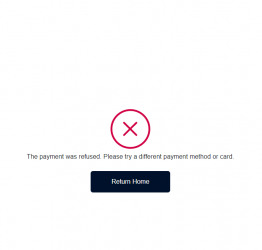
I've already covered this in detail in the article "Why the cards you buy never work", so I'll keep it short. Your cards aren't declining because of superstition. They're declining because they're dirty and proven.
Every card circulating on the regular markets has been resold, verified and checked by several payment systems. That's why I created a resale check on BinX.cc:
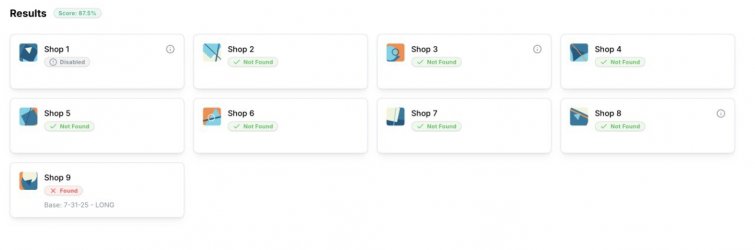
Simply insert any card you want to buy, and the service will show you if the same card is sold at other stores.
Your only real options are to find sellers who actually care about quality control, or get off your ass and buy the cards yourself. Anything else is just expensive wishful thinking. Which brings us to the next big problem:
Single-Use Card Syndrome
Picture this: You’ve just successfully placed an order for a $300 jacket at some Shopify store. The card went through like clockwork, no 3DS, the order is confirmed. You feel like a genius. So naturally, you open another site, enter the same card details, and… BOOM. Either you get a 3DS call, or the card straight up tells you to go to hell.
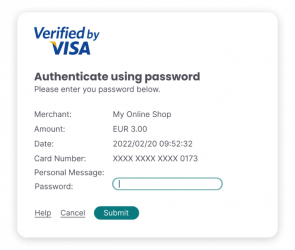
But wait, it gets worse. Not only does that failed second transaction ruin your current plans, it also retroactively negates your first order. Suddenly, your “clean” first transaction is blocked because the second one made you look terribly suspicious. Now you have two failed orders and a burned card. Congratulations, you played yourself.
Velocity: The Silent Card Killer
This is where most newbies screw up. Normal people don't drop $500 at three different online stores in 20 minutes. They shop, think about it, maybe come back tomorrow, check their bank balance, ask their spouse - you know, human crap.
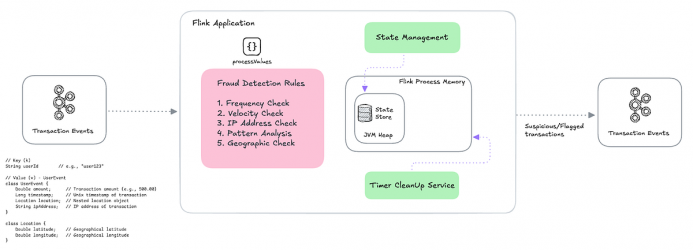
And us? We’re trying to squeeze every last drop out of those cards before they break. So we push transaction after transaction, thinking we’re maximizing profits. In reality, we’re essentially walking into a bank wearing a ski mask and wondering why security is giving us the creeps.
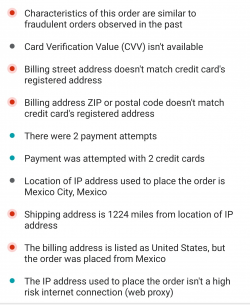
The faster you move, the more patterns you create. Modern fraud prevention systems no longer look for isolated red flags — they look for behavior patterns that say, “This bastard is up to no good.”
Processor Rotation
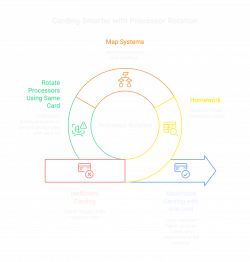
The solution isn’t to process cards more slowly (although that helps). It’s to process cards smarter. Think of payment processors as bouncers at a nightclub: If the same shady guy keeps showing up at different doors all night, they’ll notice. But if you spread it out, hitting different venues on different nights, you’ll suddenly become just another face in the crowd.
Processors and Fraud Protection
Before you even think about hacking a site, you need to do your homework. You need to know their entire fraud prevention suite — both the processor itself and the fraud protection system.
Whether it’s Stripe powering your Shopify store, Adyen powering your favorite airline, or Braintree powering your subscription service, you need to think through all of it carefully. But processors are only half the battle. Fraud protection systems are the other half that most carders ignore.
Here’s what most carders don’t realize: Two stores can use completely different processors — one on Stripe, one on Adyen — but if they’re both protected by Riskified, you’re facing the same AI brain. The second transaction will be flagged faster than a Confederate flag at a diversity seminar.
These fraud-fighting systems — Riskified, Forter, Signifyd, Sift, Kount — all watch your every move, build behavioral profiles, and share data across their networks. Fashion retailers love Riskified, enterprise stores swear by Forter, and big-box merchants hide behind Signify’s refund guarantees.
The bottom line is this: a Shopify store running Stripe + Riskified is essentially the same as a site running Adyen + Riskified in terms of fraud detection. The processor processes the movement of money, but the AI making the go/no-go decision is the same damn brain.
So when planning your goals, don’t just note, “Oh, this uses Stripe,” or “This is on Square.” Dig deeper. Check their fraud protection system. Find out if they use third-party protection or rely on the processor’s basic filters. This is the information that separates amateur work from professional work.
Rotation Strategy
This is where the tactics come in. Never use the same card to access the same processor or fraud protection system twice. Let me show you how this works with a real example.
Card: New Visa from Texas
Goal: Get the most out of it without burning it.
Hit 1 (14:00):
Hit 2 (16:30):
Hit 3 (18:15):
Hit 4 (20:45):
Total withdrawn: $1019.30 from the card, which would have been blocked after the first transaction if you had been impatient and used it on another site with the same stack.
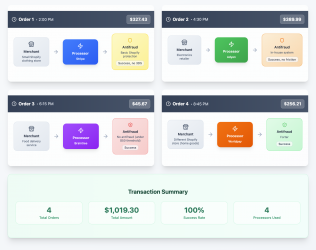
Notice a pattern? Different processors, different fraud protection systems, different merchant types, different transaction amounts, natural time intervals. The cool thing is that these systems operate in complete isolation from each other. Stripe’s AI has no idea what Adyen’s system flagged an hour ago, and Braintree’s database doesn’t communicate with Square’s database. Each processor runs its own fraud risk assessment system, meaning your card’s “reputation” is reset with every new entry into the payment ecosystem. This isolation is to your advantage: what you lose on one processor stays on that processor, while every other payment gateway sees a fresh, clean transaction history. This means you maximize the amount of $$$ you can extract from any one card!
Obviously, this strategy doesn’t give you much bang for your buck until the bank itself starts paying attention. All of these transactions still go to the same issuing bank, and they have their own fraud monitoring systems to watch for unusual spending patterns. But rotating processors buys you valuable time and allows you to complete additional transactions before the bank-level review begins.
Building a Network of Intelligent Processors
Knowledge is power, and in this game, knowing which processor a merchant uses before you approach them is like knowing the answers to a test before you take it.
Develop your intelligence:
The more you know about the payment system, the better you can navigate it without setting off alarm bells from here to headquarters.
Conclusion
Strategic carding isn’t about being the fastest gun in the West. It’s about being the smartest player at the table. While everyone else is burning cards like they’re lighting $100 bills, you’re playing chess, thinking three moves ahead.
Remember: Every card you burn is money you left on the table. Every transaction you flag is damage you’ve done. Every template you create is a path to your door.
Smart cards. Change processors with every pass. Change templates. Track data. And for heaven’s sake, stop treating your cards like disposable condoms. Done right, that $20 card could be worth thousands instead of dying after one measly transaction.
The game has changed. The question is: have you?
Stay paranoid, keep your profits.
(c) Telegram: d0ctrine
Today, we're going to take a closer look at why your cards turn into disposable things and how to actually squeeze a few transactions out of them without triggering scams from locals to Mumbai.
When a card is declined
I've already covered this in detail in the article "Why the cards you buy never work", so I'll keep it short. Your cards aren't declining because of superstition. They're declining because they're dirty and proven.
Every card circulating on the regular markets has been resold, verified and checked by several payment systems. That's why I created a resale check on BinX.cc:
Simply insert any card you want to buy, and the service will show you if the same card is sold at other stores.
Your only real options are to find sellers who actually care about quality control, or get off your ass and buy the cards yourself. Anything else is just expensive wishful thinking. Which brings us to the next big problem:
Single-Use Card Syndrome
Picture this: You’ve just successfully placed an order for a $300 jacket at some Shopify store. The card went through like clockwork, no 3DS, the order is confirmed. You feel like a genius. So naturally, you open another site, enter the same card details, and… BOOM. Either you get a 3DS call, or the card straight up tells you to go to hell.
But wait, it gets worse. Not only does that failed second transaction ruin your current plans, it also retroactively negates your first order. Suddenly, your “clean” first transaction is blocked because the second one made you look terribly suspicious. Now you have two failed orders and a burned card. Congratulations, you played yourself.
Velocity: The Silent Card Killer
This is where most newbies screw up. Normal people don't drop $500 at three different online stores in 20 minutes. They shop, think about it, maybe come back tomorrow, check their bank balance, ask their spouse - you know, human crap.
And us? We’re trying to squeeze every last drop out of those cards before they break. So we push transaction after transaction, thinking we’re maximizing profits. In reality, we’re essentially walking into a bank wearing a ski mask and wondering why security is giving us the creeps.
The faster you move, the more patterns you create. Modern fraud prevention systems no longer look for isolated red flags — they look for behavior patterns that say, “This bastard is up to no good.”
Processor Rotation
The solution isn’t to process cards more slowly (although that helps). It’s to process cards smarter. Think of payment processors as bouncers at a nightclub: If the same shady guy keeps showing up at different doors all night, they’ll notice. But if you spread it out, hitting different venues on different nights, you’ll suddenly become just another face in the crowd.
Processors and Fraud Protection
Before you even think about hacking a site, you need to do your homework. You need to know their entire fraud prevention suite — both the processor itself and the fraud protection system.
Whether it’s Stripe powering your Shopify store, Adyen powering your favorite airline, or Braintree powering your subscription service, you need to think through all of it carefully. But processors are only half the battle. Fraud protection systems are the other half that most carders ignore.
Here’s what most carders don’t realize: Two stores can use completely different processors — one on Stripe, one on Adyen — but if they’re both protected by Riskified, you’re facing the same AI brain. The second transaction will be flagged faster than a Confederate flag at a diversity seminar.
These fraud-fighting systems — Riskified, Forter, Signifyd, Sift, Kount — all watch your every move, build behavioral profiles, and share data across their networks. Fashion retailers love Riskified, enterprise stores swear by Forter, and big-box merchants hide behind Signify’s refund guarantees.
The bottom line is this: a Shopify store running Stripe + Riskified is essentially the same as a site running Adyen + Riskified in terms of fraud detection. The processor processes the movement of money, but the AI making the go/no-go decision is the same damn brain.
So when planning your goals, don’t just note, “Oh, this uses Stripe,” or “This is on Square.” Dig deeper. Check their fraud protection system. Find out if they use third-party protection or rely on the processor’s basic filters. This is the information that separates amateur work from professional work.
Rotation Strategy
This is where the tactics come in. Never use the same card to access the same processor or fraud protection system twice. Let me show you how this works with a real example.
Card: New Visa from Texas
Goal: Get the most out of it without burning it.
Hit 1 (14:00):
- Small Clothing Store Shopify
- Stripe + Shopify Basic Security
- 327,43$
- Successful, without 3DS
Hit 2 (16:30):
- Electronics seller
- Adyen + Internal system
- 389,99$
- Successfully, without problems
Hit 3 (18:15):
- Food delivery
- Braintree + No Fraud Protection (below $50 threshold)
- 45,67$
- Successfully
Hit 4 (20:45):
- Other store (household goods)
- WorldPay + Forter (different fraud protection than in 1 hit)
- 256,21$
- Successfully
Total withdrawn: $1019.30 from the card, which would have been blocked after the first transaction if you had been impatient and used it on another site with the same stack.
Notice a pattern? Different processors, different fraud protection systems, different merchant types, different transaction amounts, natural time intervals. The cool thing is that these systems operate in complete isolation from each other. Stripe’s AI has no idea what Adyen’s system flagged an hour ago, and Braintree’s database doesn’t communicate with Square’s database. Each processor runs its own fraud risk assessment system, meaning your card’s “reputation” is reset with every new entry into the payment ecosystem. This isolation is to your advantage: what you lose on one processor stays on that processor, while every other payment gateway sees a fresh, clean transaction history. This means you maximize the amount of $$$ you can extract from any one card!
Obviously, this strategy doesn’t give you much bang for your buck until the bank itself starts paying attention. All of these transactions still go to the same issuing bank, and they have their own fraud monitoring systems to watch for unusual spending patterns. But rotating processors buys you valuable time and allows you to complete additional transactions before the bank-level review begins.
Building a Network of Intelligent Processors
Knowledge is power, and in this game, knowing which processor a merchant uses before you approach them is like knowing the answers to a test before you take it.
Develop your intelligence:
- Check the source code of the payment page
- Look for processor logos at the checkout
- Test with non-working cards to see error messages
- Document everything
The more you know about the payment system, the better you can navigate it without setting off alarm bells from here to headquarters.
Conclusion
Strategic carding isn’t about being the fastest gun in the West. It’s about being the smartest player at the table. While everyone else is burning cards like they’re lighting $100 bills, you’re playing chess, thinking three moves ahead.
Remember: Every card you burn is money you left on the table. Every transaction you flag is damage you’ve done. Every template you create is a path to your door.
Smart cards. Change processors with every pass. Change templates. Track data. And for heaven’s sake, stop treating your cards like disposable condoms. Done right, that $20 card could be worth thousands instead of dying after one measly transaction.
The game has changed. The question is: have you?
Stay paranoid, keep your profits.
(c) Telegram: d0ctrine
Last edited by a moderator: