

Your IP address is your digital fingerprint — it’s how every website you visit tracks and identifies you. And for carders, having a clean IP address is a game-changer. Fraud scores are dependent on the health of your IP address, which is why I’ve written so much about keeping it clean. But there’s one method that’s gaining popularity in the community that may seem counterintuitive at first: using your own mobile data connection. Yes, your own personal LTE/5G. Before you call bullshit on it, let me explain why this seemingly risky move could actually be your secret weapon.
The anti-fraud industry is changing the way we think about clean IP addresses — and if you’re not paying attention, you’re already falling behind. Most carders are quick to dismiss mobile data as too risky and too trackable — but that’s exactly why it works. The big anti-fraud systems are so focused on tracking data center IP addresses and VPNs that they’ve created a blind spot around legitimate mobile connections. And that blind spot? That’s where we’re going.
Dirty IP addresses
One thing you have to understand about mobile data IP addresses is that they’re actually dirty. Yes, dirty as hell — like a gas station toilet after a chili fry. When I say dirty, I mean these IP addresses have seen more fraud attempts than a Nigerian prince’s email account. Every database of every IP health assessment service knows they’re dirty.
And the only reason IPQS and Scamalytics don’t even give them a 100 on the RISK scale is because they know they’re mobile.
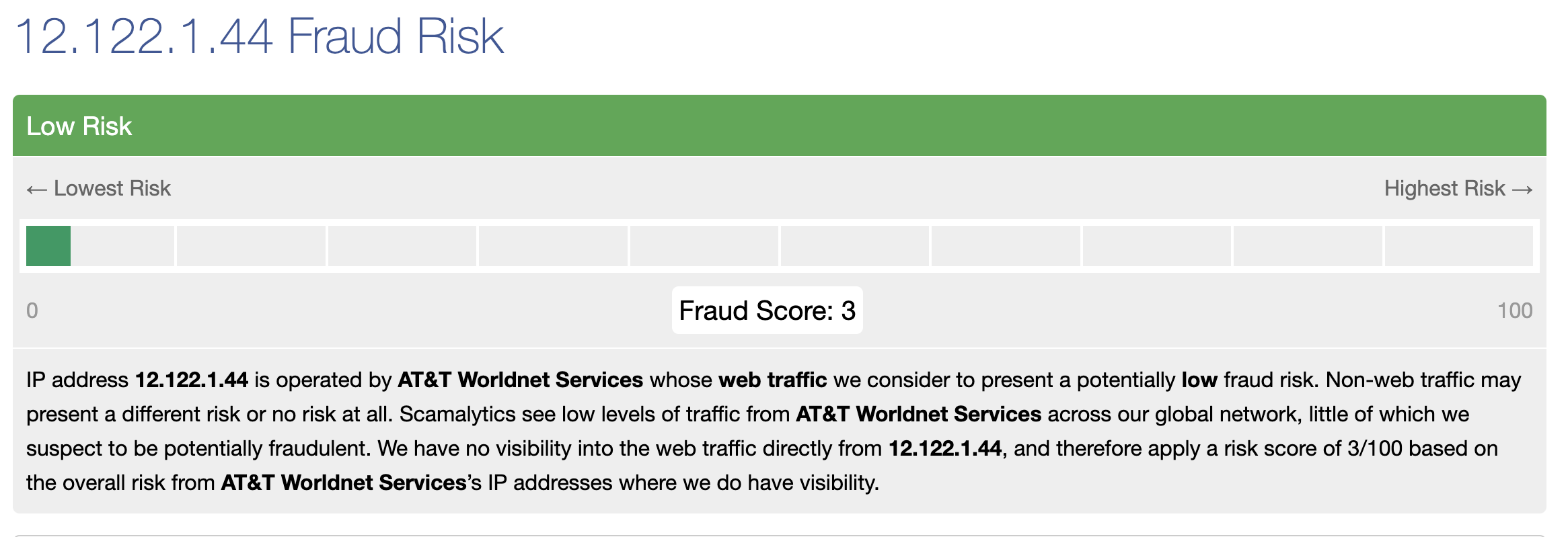
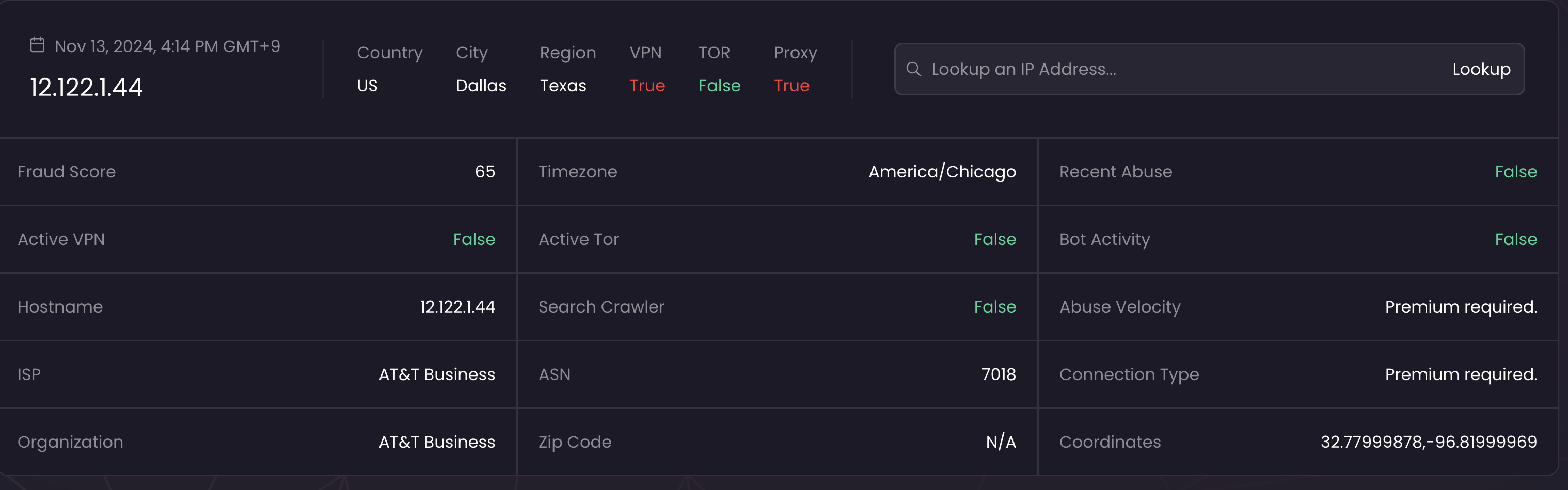
Mobile carriers use something called IP pools (CGNATs). Think of it as a giant bucket of IP addresses that are shared among thousands of users. Every time you connect to mobile data, your device is assigned a random IP address from that pool. Disconnect and reconnect? New IP. Turn airplane mode on/off? New IP.
And this constant shuffling is exactly why these “dirty” IP addresses are so damn effective. You see, when EVERYONE using that pool of IP addresses is flagged as suspicious — from grandma checking her Facebook to some idiot trying to hack a PS5 — the anti-fraud AI systems essentially short-circuit. They can’t tell who’s actually cheating because the baseline for “normal” behavior is already so broken.
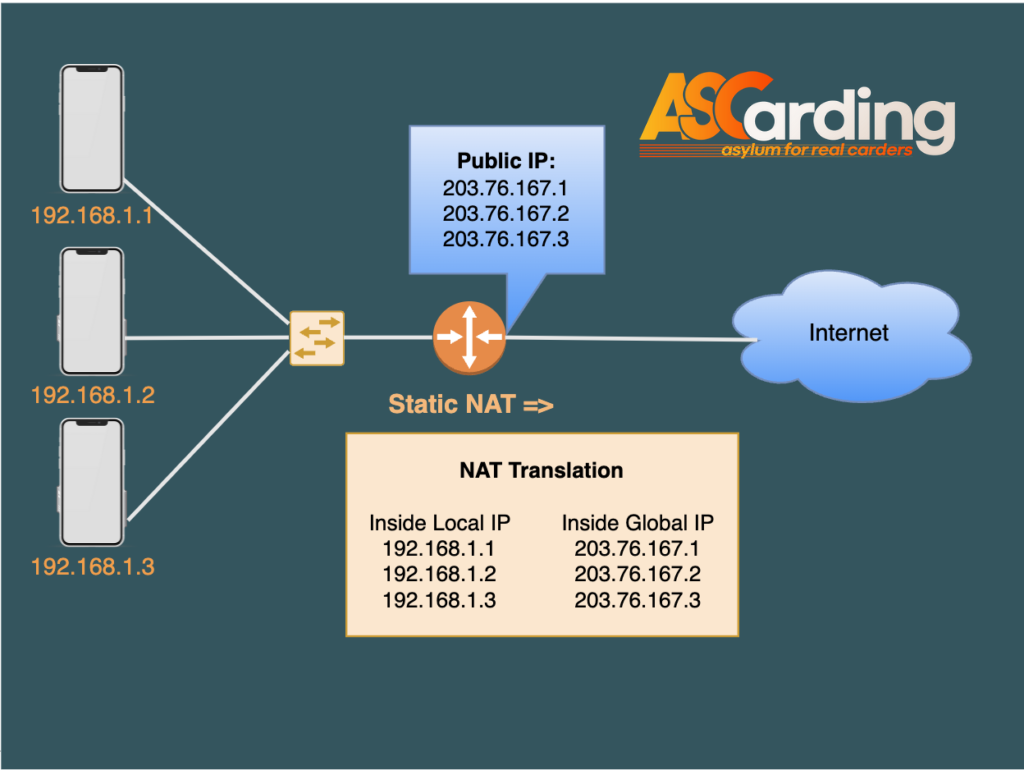
It’s like trying to find a specific piece of turd in a sewage treatment plant — technically possible, but good luck. The sheer volume of legitimate transactions happening through these IP addresses creates noise that makes detecting actual fraud nearly impossible. This is what we call entropy in action — when everything looks suspicious, nothing is suspicious.
Carrier IP pools are huge, too — we’re talking hundreds of thousands of addresses cycling through millions of users. AT&T, Verizon, T-Mobile — they all use this same system. These IP addresses are constantly being recycled and reassigned, creating a chaotic web of connections that’s nearly impossible to untangle.
Why the hell does this crap even work?
The fraud-fighting industry faces a critical dilemma with mobile data IP addresses — they’re dirty as hell, but they can’t just block them all. Why? Because blocking mobile IP addresses would be like shooting yourself in the foot with a shotgun.
Remember what we discussed about the balance between detecting fraud and not angering legitimate customers? Mobile data usage is freaking MASSIVE. We’re talking billions of transactions happening through these dirty IP addresses every day. If anti-fraud systems started blocking or severely restricting mobile IP addresses, they would be blocking a huge portion of legitimate sales.
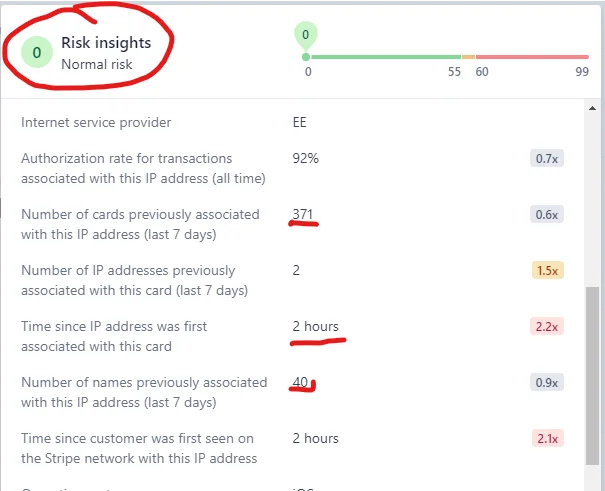
“But why not just force 3D Secure into every mobile transaction?” I hear you ask. That’s where the concept of friction comes in. Every extra step in the checkout process – every extra checkout, every pop-up, every redirect – increases what the industry calls “cart abandonment.” In other words, people get annoyed and say “screw it” before completing their purchase. And you know what? Mobile users are even more likely to abandon their carts when they encounter friction. No one wants to deal with that 3DS nonsense on a tiny phone screen while trying to buy something on their lunch break.
The math is simple: the potential losses from blocking or restricting mobile IP addresses far outweigh the risks of fraud. Think about it – if you run an online store, would you rather lose a few sales to fraud or lose THOUSANDS of legitimate sales because your fraud protection system is paranoid about mobile IP addresses? These companies did a cost-benefit analysis and decided to take the cost of fraud rather than risk alienating a huge audience of mobile shoppers.
Possible problems:
Advanced Trick for Complete Anonymity
Remember that mobile data traceability problem? Here’s the solution: prepaid eSIMs purchased with CVV. This method completely sever the connection between you and those dirty IP addresses.
eSIMs are digital SIM cards that you activate instantly. There are a variety of providers on the market — Airalo, Holafly Roamless, and others. Each has partnerships with carriers around the world, giving you access to multiple pools of IP addresses.
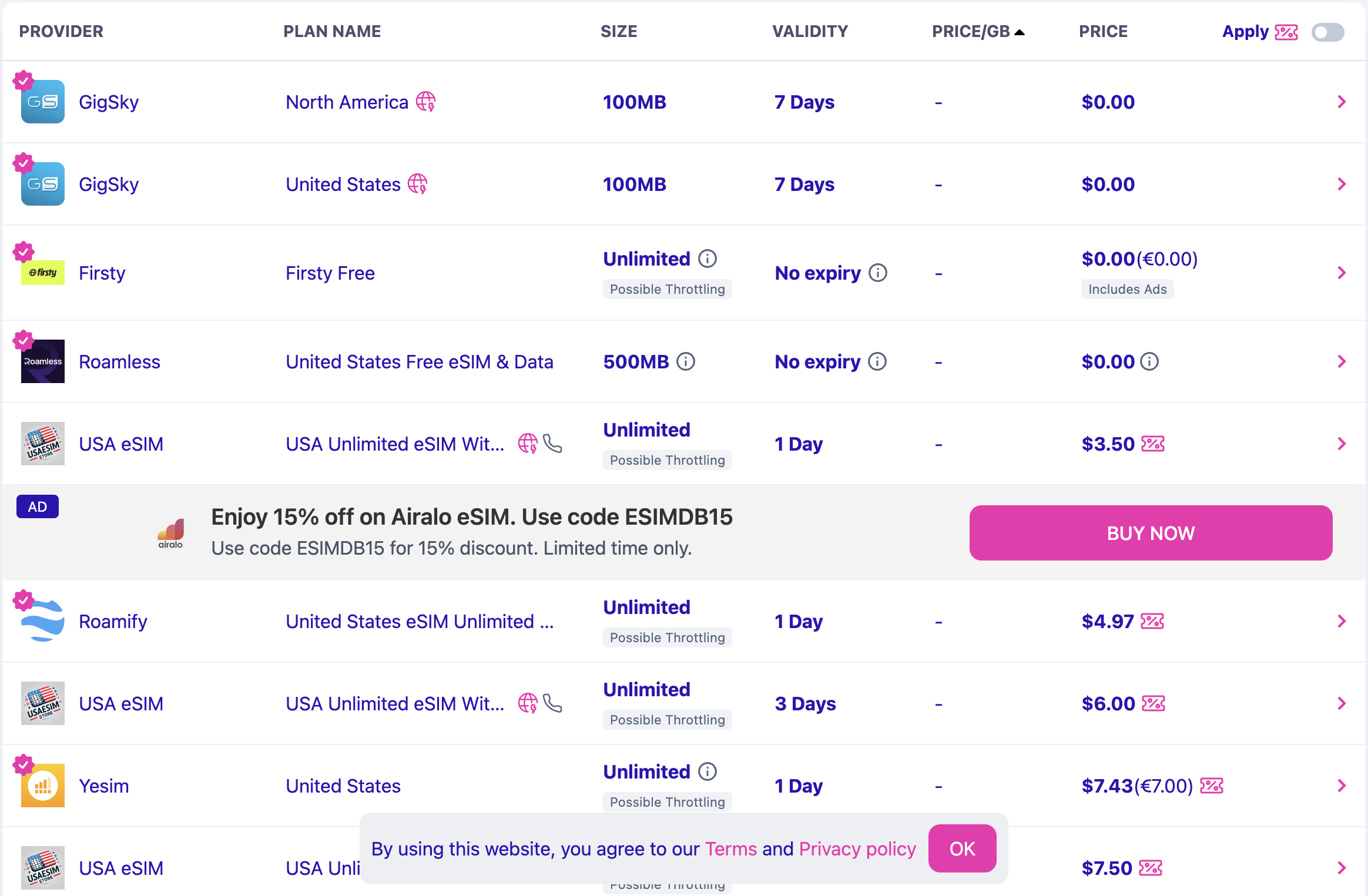
These eSIM providers don't check shit. Most just need an email address and a payment method. Since we use cards, there's no payment trail.
Different providers use different carriers. Airalo might route through AT&T, while Holafly uses T-Mobile. And here's where things get pretty darn cool — modern phones support multiple eSIMs at once. We're talking 8-10 different eSIMs active at once on new iPhones and Android devices.
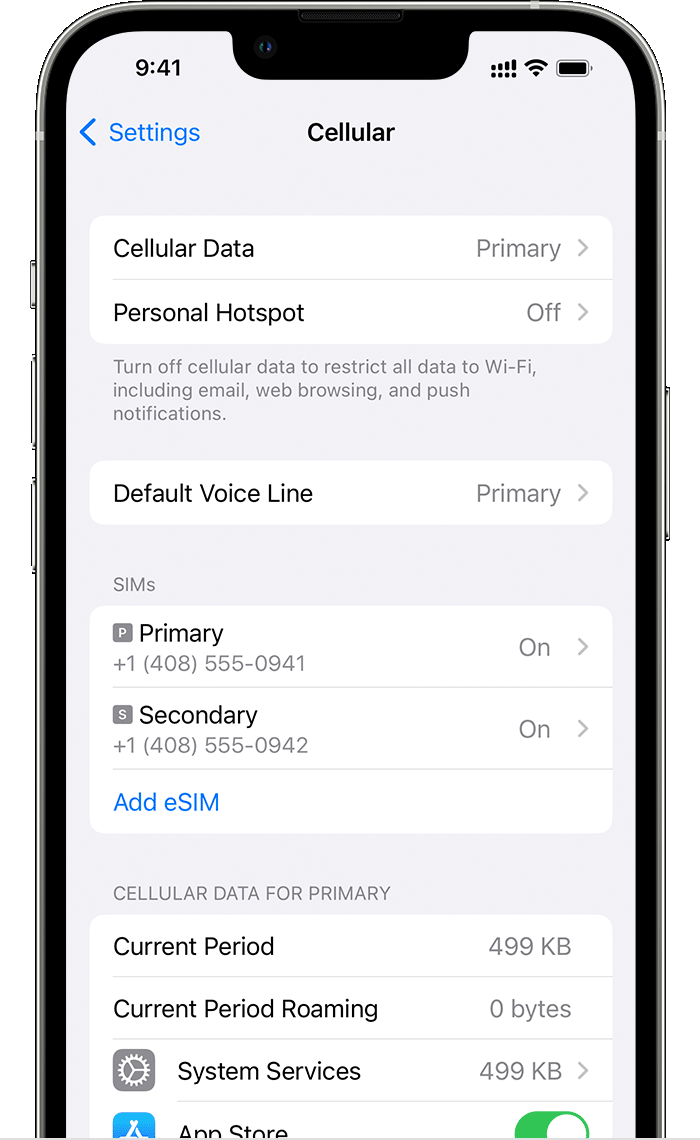
So instead of being stuck in one carrier’s IP pool, you can download data from every major provider. AT&T T-Mobile Verizon — combine them all. Your phone becomes a powerful proxy server with access to each carrier’s IP pool. One tap to switch between them.
The genius is in the anonymity — IP addresses track the provider, which tracks the dead-end fraudulent card. You’re invisible behind multiple layers.
But keep your setup organized. Each one is a separate identity with unique IP characteristics. Don’t mix them up or you’ll blow your cover faster than a snitch in witness protection.
Conclusion
Mobile data is an art form. Carriers have built this vast, chaotic system that acts as the perfect smokescreen for fraud. Every time you tap that mobile data icon, you’re diving into a sea of entropy where even the most advanced AI can’t tell the difference between legitimate users and fraudsters.
But like any powerful tool, mobile data demands respect. One wrong move — using the wrong state’s IP pool, forgetting to clear your cookies, or mixing up your eSIM profiles — and you’ve just painted a target on your back. The system may be chaos, but chaos is a double-edged sword.
Stay paranoid. Stay smart. And remember — in this game, the difference between success and failure often comes down to details you thought were unimportant.
(c) Telegram: d0ctrine
The anti-fraud industry is changing the way we think about clean IP addresses — and if you’re not paying attention, you’re already falling behind. Most carders are quick to dismiss mobile data as too risky and too trackable — but that’s exactly why it works. The big anti-fraud systems are so focused on tracking data center IP addresses and VPNs that they’ve created a blind spot around legitimate mobile connections. And that blind spot? That’s where we’re going.
Dirty IP addresses
One thing you have to understand about mobile data IP addresses is that they’re actually dirty. Yes, dirty as hell — like a gas station toilet after a chili fry. When I say dirty, I mean these IP addresses have seen more fraud attempts than a Nigerian prince’s email account. Every database of every IP health assessment service knows they’re dirty.
And the only reason IPQS and Scamalytics don’t even give them a 100 on the RISK scale is because they know they’re mobile.
Mobile carriers use something called IP pools (CGNATs). Think of it as a giant bucket of IP addresses that are shared among thousands of users. Every time you connect to mobile data, your device is assigned a random IP address from that pool. Disconnect and reconnect? New IP. Turn airplane mode on/off? New IP.
And this constant shuffling is exactly why these “dirty” IP addresses are so damn effective. You see, when EVERYONE using that pool of IP addresses is flagged as suspicious — from grandma checking her Facebook to some idiot trying to hack a PS5 — the anti-fraud AI systems essentially short-circuit. They can’t tell who’s actually cheating because the baseline for “normal” behavior is already so broken.
It’s like trying to find a specific piece of turd in a sewage treatment plant — technically possible, but good luck. The sheer volume of legitimate transactions happening through these IP addresses creates noise that makes detecting actual fraud nearly impossible. This is what we call entropy in action — when everything looks suspicious, nothing is suspicious.
Carrier IP pools are huge, too — we’re talking hundreds of thousands of addresses cycling through millions of users. AT&T, Verizon, T-Mobile — they all use this same system. These IP addresses are constantly being recycled and reassigned, creating a chaotic web of connections that’s nearly impossible to untangle.
Why the hell does this crap even work?
The fraud-fighting industry faces a critical dilemma with mobile data IP addresses — they’re dirty as hell, but they can’t just block them all. Why? Because blocking mobile IP addresses would be like shooting yourself in the foot with a shotgun.
Remember what we discussed about the balance between detecting fraud and not angering legitimate customers? Mobile data usage is freaking MASSIVE. We’re talking billions of transactions happening through these dirty IP addresses every day. If anti-fraud systems started blocking or severely restricting mobile IP addresses, they would be blocking a huge portion of legitimate sales.
“But why not just force 3D Secure into every mobile transaction?” I hear you ask. That’s where the concept of friction comes in. Every extra step in the checkout process – every extra checkout, every pop-up, every redirect – increases what the industry calls “cart abandonment.” In other words, people get annoyed and say “screw it” before completing their purchase. And you know what? Mobile users are even more likely to abandon their carts when they encounter friction. No one wants to deal with that 3DS nonsense on a tiny phone screen while trying to buy something on their lunch break.
The math is simple: the potential losses from blocking or restricting mobile IP addresses far outweigh the risks of fraud. Think about it – if you run an online store, would you rather lose a few sales to fraud or lose THOUSANDS of legitimate sales because your fraud protection system is paranoid about mobile IP addresses? These companies did a cost-benefit analysis and decided to take the cost of fraud rather than risk alienating a huge audience of mobile shoppers.
Possible problems:
- The first problem: Carriers segment their IP address pools by geography. Each state gets its own pool of addresses, so if you're in California, you'll only get IP addresses from the California pool. That means that for best results, you need cards with billing addresses in the same state or city as your mobile data connection. Different states can work, but your success rate will quickly drop. No fraud-fighting system is going to believe that some bastard in Portland suddenly decided to make all his purchases through an IP in Miami.
- Problem number two: Yes, mobile data can technically be traced back to you. There’s a non-zero chance of getting caught by law enforcement. But unless you’re making six figures a day, like some carding cops, they won’t waste resources tracking your ass. They’re too busy chasing whales moving serious volume. And stick around — we’ll tell you about a trick later that completely eliminates that risk anyway.
- Problem number three: Managing multiple carding profiles on one phone is a pain in the ass. The easy solution? Buy multiple iPhones. Check out my guide "iPhone: The Carder's Ultimate Tool" to learn why these overrated status symbols are actually perfect for our needs. Just remember to clear your cookies between sessions, like you're destroying evidence at a crime scene. Your OPSEC will thank you later.
Advanced Trick for Complete Anonymity
Remember that mobile data traceability problem? Here’s the solution: prepaid eSIMs purchased with CVV. This method completely sever the connection between you and those dirty IP addresses.
eSIMs are digital SIM cards that you activate instantly. There are a variety of providers on the market — Airalo, Holafly Roamless, and others. Each has partnerships with carriers around the world, giving you access to multiple pools of IP addresses.
These eSIM providers don't check shit. Most just need an email address and a payment method. Since we use cards, there's no payment trail.
Different providers use different carriers. Airalo might route through AT&T, while Holafly uses T-Mobile. And here's where things get pretty darn cool — modern phones support multiple eSIMs at once. We're talking 8-10 different eSIMs active at once on new iPhones and Android devices.
So instead of being stuck in one carrier’s IP pool, you can download data from every major provider. AT&T T-Mobile Verizon — combine them all. Your phone becomes a powerful proxy server with access to each carrier’s IP pool. One tap to switch between them.
The genius is in the anonymity — IP addresses track the provider, which tracks the dead-end fraudulent card. You’re invisible behind multiple layers.
But keep your setup organized. Each one is a separate identity with unique IP characteristics. Don’t mix them up or you’ll blow your cover faster than a snitch in witness protection.
Conclusion
Mobile data is an art form. Carriers have built this vast, chaotic system that acts as the perfect smokescreen for fraud. Every time you tap that mobile data icon, you’re diving into a sea of entropy where even the most advanced AI can’t tell the difference between legitimate users and fraudsters.
But like any powerful tool, mobile data demands respect. One wrong move — using the wrong state’s IP pool, forgetting to clear your cookies, or mixing up your eSIM profiles — and you’ve just painted a target on your back. The system may be chaos, but chaos is a double-edged sword.
Stay paranoid. Stay smart. And remember — in this game, the difference between success and failure often comes down to details you thought were unimportant.
(c) Telegram: d0ctrine
