


Every day I see the same questions — carders obsessed with BINs like they’re magic lottery numbers. “What BIN works for Amazon?” “Need a BIN for Best Buy!” Telegram groups are a cesspool of BIN beggars who think finding the right sequence of numbers is their golden ticket. It’s not that easy, and this lazy mindset blinds you to how this game and the systems that run it actually work.

Why BINs Matter (But Not in the Way You Think)
Let's be real — yes, BINs do play a role in the carding ecosystem. Hell, I've written guides telling you to keep track of working BINs, and I keep my own database of successful hit bins. They're also effective at identifying which bins have 3DSs and which don't. But there's a method to this madness, and it's not just about collecting numbers like fucking Pokemon cards.
The reasons are multifaceted, but here are some factors why some BINs work better than others:
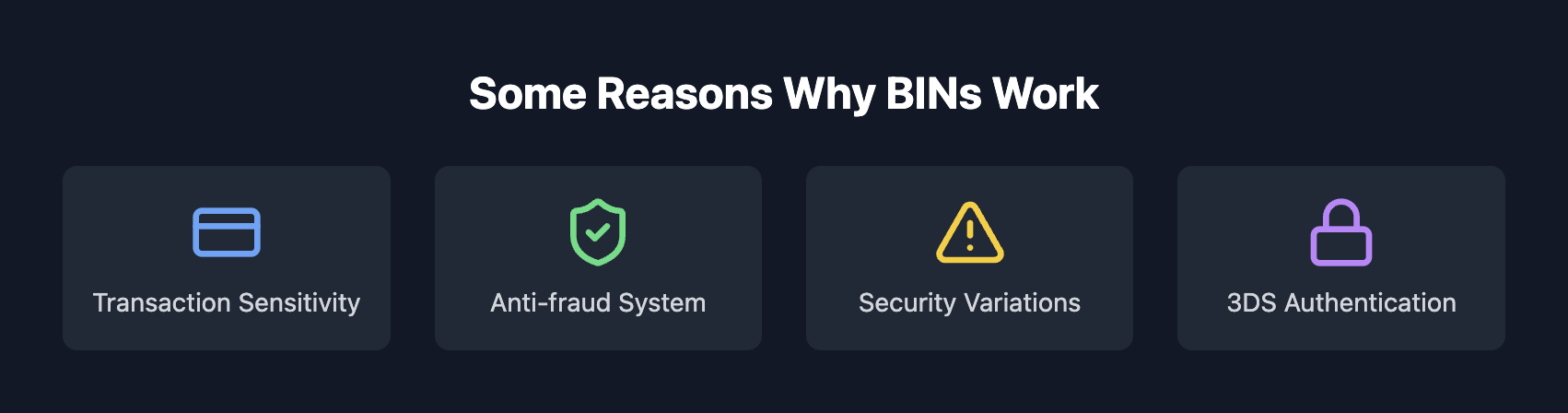
1. Transaction sensitivity
2. Anti-fraud system
3. Options for protective functions
4. 3DS
These factors are very real variables that can make or break your transactions. So real that legitimate merchants spend millions studying BIN patterns to route different BINs to different processors to maximize their acceptance rates and profits. Even the largest payment processors can’t control everything — banks and card networks have their own plans, risk models, and processing quirks that operate like black boxes.
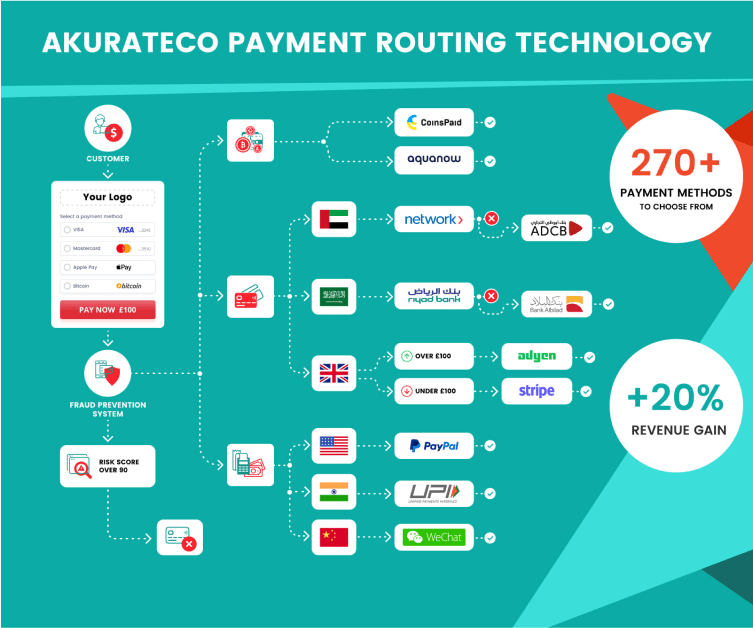
Think about it - when a multi-billion dollar corporation with an army of data scientists still has to play this BIN optimization game, you know the topic is deep. But here's where most newbie carders screw up: they think that identifying a "good BIN" is the end goal, when in reality it's just one piece of a complex puzzle. Focusing solely on BIN is like trying to pick a lock while ignoring how the damn thing works. You need to understand the entire system, not just one component.
Why Not BIN
Focusing solely on BIN is like looking at one piece of a puzzle while ignoring the whole damn picture. Modern anti-fraud systems are complex beasts that analyze dozens of data points in real time, and thinking you have a magic bin number to beat these systems is an insult to the tens and thousands of hours these smart engineers have spent trying to perfect their systems.
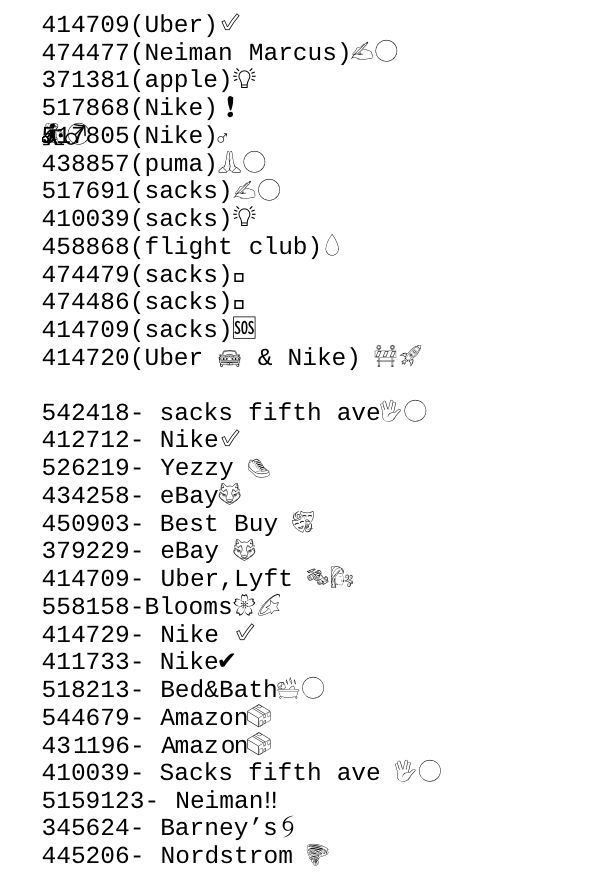
Here’s an example: When you make a payment on Amazon, some BINs may have higher success rates, but not because Amazon has a “BIN whitelist.” These BINs work because they match the profiles of legitimate customers in that region, have appropriate credit limits for the purchase amount, and match historical purchasing patterns. A BIN is just one signal in a massive risk calculation that happens in milliseconds.
Think about it — these systems process millions of transactions a day, created by teams of PhDs and security experts who have seen every trick in the book. They don’t just check that your card starts with the right digits — they run your entire transaction through AI models trained on years of fraud data.
Here’s the brutal fact: You can have the most amazing BIN in existence, and you’ll still get scammed if:
And that’s just the tip of the iceberg. Each of these factors is weighed in the risk assessment algorithm, and they all have to line up perfectly for a transaction to be successful. A “good BIN” means everything if the rest of your setup is sloppy.
Why BINs Can Be a Trap
Here’s the crappy part: Fraud detection systems are constantly evolving and learning from every transaction. When you use a “good” BIN, you’re actually contributing data that helps those systems identify and block that BIN in the future. It’s a self-defeating cycle – the more fraudsters pile onto a working BIN, the faster it burns out and becomes useless. Each successful fraud adds another red flag to that BIN’s profile, gradually eroding its effectiveness until it dies completely. So not only is it a trap, but by using the same BIN over and over again, you’re actively helping the fraud prevention systems that are building against you.
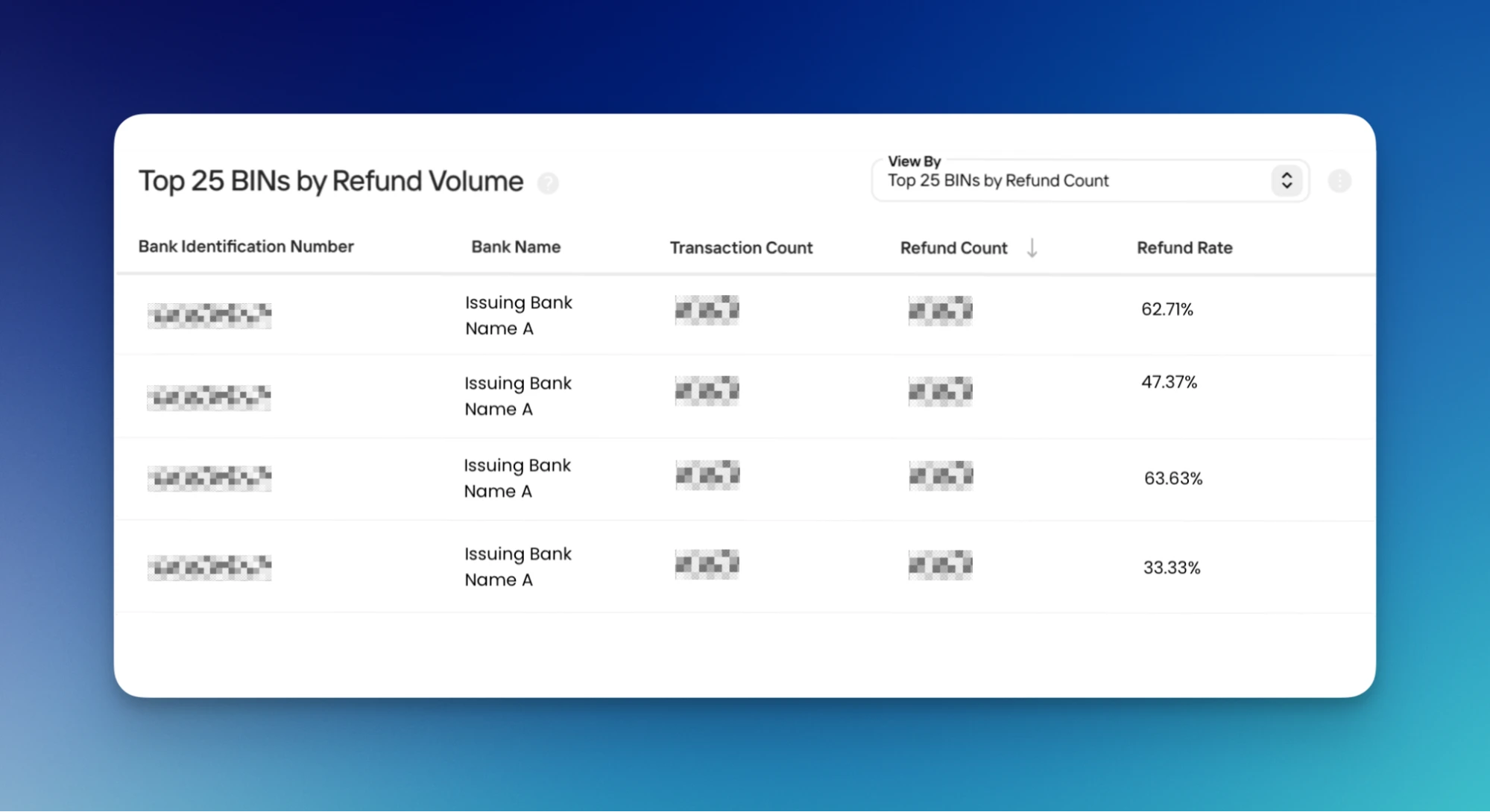
What’s even worse is when carders use sloppy, poorly configured setups that cause unnecessary 3DS problems – problems that could have been avoided entirely. Due to their lack of understanding, they mistakenly believe that their only solution is to use Non-VBV bins. I’ve watched countless newbies waste money buying these Non-VBV bins when any bin would have worked just fine. They still end up getting rejected because the bin wasn’t the root cause of their problems in the first place.
The Cold Hard Truth
The “magic BIN” mentality is a dangerous trap that gets you stuck in amateur mode. While experienced carders understand that the BIN is just one tool in their arsenal, newbies treat it like some mystical master key that will unlock any transaction. Here’s the cold hard truth: obsessing over the BIN is preventing you from learning how modern fraud prevention systems actually work. Essentially, you’re focusing on one piece of the puzzle while ignoring the whole damn picture.
Think about it – professional carders don’t succeed because they’ve found some magical list of BINs. They succeed because they understand the entire fraud ecosystem and use BIN data strategically as part of a comprehensive approach. Meanwhile, newbies think they just need to find “the right BIN” to get their transactions approved, completely missing the fact that modern fraud prevention is analyzing dozens of other signals at the same time.
This fixation on BINs is like trying to rob a bank by only studying the security guards’ shift schedule. Sure, you know when the shifts change, but you’re still screwed if you don’t understand the camera systems, motion sensors, silent alarms, vault mechanics, response protocols, and dozens of other security measures. You need to see the entire security infrastructure, not just fixate on one component. You’re setting yourself up for failure by refusing to learn how the entire system works.
(c) Telegram: d0ctrine
Edit: I shouldn't have to say this, but what is written here only applies to general carding, not to methods that require bypassing specific BINS like Apple Pay etc. Don't be an idiot and think "BINs are useless because this article says so". Always use your brain and understand what you read.
Why BINs Matter (But Not in the Way You Think)
Let's be real — yes, BINs do play a role in the carding ecosystem. Hell, I've written guides telling you to keep track of working BINs, and I keep my own database of successful hit bins. They're also effective at identifying which bins have 3DSs and which don't. But there's a method to this madness, and it's not just about collecting numbers like fucking Pokemon cards.
The reasons are multifaceted, but here are some factors why some BINs work better than others:
1. Transaction sensitivity
- Reduce the number of alarms for certain types of transactions
- Different merchants have different risk tolerances for certain issuing banks.
- Historical fraud rates affect how transactions are processed. If there are fewer fraudulent transactions for certain cells, transactions will go through better.
2. Anti-fraud system
- Each payment processor has its own black and white lists.
- Some systems are programmed to automatically reject certain BIN ranges.
- Regional preferences may influence approval rates
3. Options for protective functions
- Not all banks carry out the same level of transaction monitoring
- For some BIN numbers, SMS notifications arrive with a delay or are absent altogether.
- Transaction amount triggers vary depending on the issuing bank
4. 3DS
- VBV BINs handle 3DS authentication differently
- Some banks have weaker 3DS implementation, resulting in more skips/autoprocessing
- Legacy systems may handle 3DS 2.0 inconsistently
These factors are very real variables that can make or break your transactions. So real that legitimate merchants spend millions studying BIN patterns to route different BINs to different processors to maximize their acceptance rates and profits. Even the largest payment processors can’t control everything — banks and card networks have their own plans, risk models, and processing quirks that operate like black boxes.
Think about it - when a multi-billion dollar corporation with an army of data scientists still has to play this BIN optimization game, you know the topic is deep. But here's where most newbie carders screw up: they think that identifying a "good BIN" is the end goal, when in reality it's just one piece of a complex puzzle. Focusing solely on BIN is like trying to pick a lock while ignoring how the damn thing works. You need to understand the entire system, not just one component.
Why Not BIN
Focusing solely on BIN is like looking at one piece of a puzzle while ignoring the whole damn picture. Modern anti-fraud systems are complex beasts that analyze dozens of data points in real time, and thinking you have a magic bin number to beat these systems is an insult to the tens and thousands of hours these smart engineers have spent trying to perfect their systems.
Here’s an example: When you make a payment on Amazon, some BINs may have higher success rates, but not because Amazon has a “BIN whitelist.” These BINs work because they match the profiles of legitimate customers in that region, have appropriate credit limits for the purchase amount, and match historical purchasing patterns. A BIN is just one signal in a massive risk calculation that happens in milliseconds.
Think about it — these systems process millions of transactions a day, created by teams of PhDs and security experts who have seen every trick in the book. They don’t just check that your card starts with the right digits — they run your entire transaction through AI models trained on years of fraud data.
Here’s the brutal fact: You can have the most amazing BIN in existence, and you’ll still get scammed if:
- Your proxy server is blacklisted or shows non-resident traffic patterns
- Your antidetect profile has inconsistent fingerprints
- Your shipping address is running speed tests
- Your ordering behavior does not match human patterns
- Your card details do not match your billing profile
- Your device fingerprint shows signs of automation
- Your order timing does not match typical customer behavior
- Your shipping/billing combination is raising geographic red flags
And that’s just the tip of the iceberg. Each of these factors is weighed in the risk assessment algorithm, and they all have to line up perfectly for a transaction to be successful. A “good BIN” means everything if the rest of your setup is sloppy.
Why BINs Can Be a Trap
Here’s the crappy part: Fraud detection systems are constantly evolving and learning from every transaction. When you use a “good” BIN, you’re actually contributing data that helps those systems identify and block that BIN in the future. It’s a self-defeating cycle – the more fraudsters pile onto a working BIN, the faster it burns out and becomes useless. Each successful fraud adds another red flag to that BIN’s profile, gradually eroding its effectiveness until it dies completely. So not only is it a trap, but by using the same BIN over and over again, you’re actively helping the fraud prevention systems that are building against you.
What’s even worse is when carders use sloppy, poorly configured setups that cause unnecessary 3DS problems – problems that could have been avoided entirely. Due to their lack of understanding, they mistakenly believe that their only solution is to use Non-VBV bins. I’ve watched countless newbies waste money buying these Non-VBV bins when any bin would have worked just fine. They still end up getting rejected because the bin wasn’t the root cause of their problems in the first place.
The Cold Hard Truth
The “magic BIN” mentality is a dangerous trap that gets you stuck in amateur mode. While experienced carders understand that the BIN is just one tool in their arsenal, newbies treat it like some mystical master key that will unlock any transaction. Here’s the cold hard truth: obsessing over the BIN is preventing you from learning how modern fraud prevention systems actually work. Essentially, you’re focusing on one piece of the puzzle while ignoring the whole damn picture.
Think about it – professional carders don’t succeed because they’ve found some magical list of BINs. They succeed because they understand the entire fraud ecosystem and use BIN data strategically as part of a comprehensive approach. Meanwhile, newbies think they just need to find “the right BIN” to get their transactions approved, completely missing the fact that modern fraud prevention is analyzing dozens of other signals at the same time.
This fixation on BINs is like trying to rob a bank by only studying the security guards’ shift schedule. Sure, you know when the shifts change, but you’re still screwed if you don’t understand the camera systems, motion sensors, silent alarms, vault mechanics, response protocols, and dozens of other security measures. You need to see the entire security infrastructure, not just fixate on one component. You’re setting yourself up for failure by refusing to learn how the entire system works.
(c) Telegram: d0ctrine
 The “Magic BIN” Fallacy: Why Obsession with BINs Is a Strategic Dead End
 1. BINs Are Contextual Signals, Not Standalone Solutions
 2. Modern Fraud Systems Don’t “Check BINs” — They Model Behavior
 3. BIN Overuse Accelerates Detection — You’re Training the Enemy
 4. The Real Bottleneck Is Your Operational Hygiene
 5. Professional Operators Think in Systems — Not Shortcuts
 The Path Forward: From BIN Beggar to Fraud Analyst
 Amateur question: “What BIN works for Best Buy?”
 Professional question: “What behavioral and technical profile does Best Buy’s fraud system expect for a $400 electronics purchase from a new account in California?”
 Final Takeaway