


Hi. Last time I warned you in the article “The Philosophy of Carding: Why Gift Cards Are (Usually) a Bad Idea” some of you were still jumping in headfirst, convinced that you were about to hit the jackpot with gift cards. I get the appeal: digital cash, no shipping, just an email and a code. Sounds easy, right? That’s why so many newbies burn their cards on this topic, only to be confronted with reality.
There’s no point in repeating the same mistakes. Let’s cut through the fluff and look at a smarter approach to gift card carding—one that actually reflects the evolution of this game. I’ll break down the concept, then show you an example of the method so you can see what a real strategy looks like.
Be careful.
Gift Cards: Why It’s a Losing Game
Gift card carding is a lost cause these days. All the sites worth clicking on have been swarmed by desperate carders, and the sellers have blocked everything more strictly than ever. You'll have to contend with fraud filters, ID checks, and a horde of other scammers chasing the same scraps.
Even if you manage to get through, the payoff isn't worth the effort - lost time, burned cards, and gigabytes of proxy wasted for a few hundred dollars, if you're lucky.
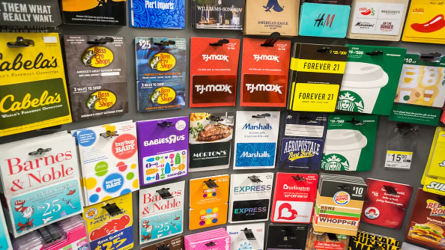
If you’re still wasting time on gift cards on Eneba, you’re wasting your time and risking your stack for pennies. But don’t worry — there’s a smarter, more profitable approach: target sites that don’t sell gift cards in the first place. Let’s change the subject and get down to business.
Gift Card Profiling
You see, gift cards aren’t just hiding on the obvious gift card sites that everyone’s tired of. They’re everywhere — sometimes buried in the product catalogs of big retailers, sometimes attached to the checkout page of a random online store that doesn’t even specialize in digital goods. Hell, half the time these companies add gift cards simply to fill out their inventory or because their e-commerce platform requires it. It’s not the size of the store — some of them are big companies with incompetent web admins who treat gift cards like any other product.
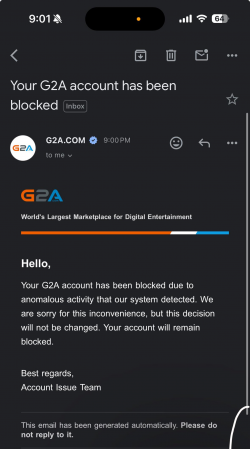
So don’t waste your time fighting over scraps on the usual sites like Eneba or G2A. There’s an entire ecosystem of legitimate companies, big and small, that offer gift card options and then forget about them. Most of them have no idea about the risks, and their anti-fraud practices are laughable compared to sites that know they’re carder magnets. That’s where the real opportunity lies: not in chasing the same old tired targets, but in identifying the ones you’ve missed and never expected to be targeted.
Great example: Zola
Let’s face it, Zola.com is all wedding bells and happy couples on the surface, but dig deeper and you’ll find a gift card system that’s far less secure than you’d expect. Zola isn’t some kind of gift card supermarket — most people use it for wedding registries, not digital payouts. That’s why it flies under the radar.

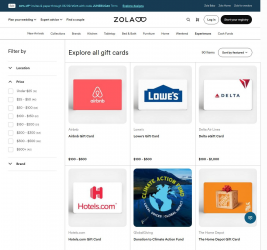
Zola offers its own digital gift cards, as well as cards from big brands like Airbnb, Delta, Target, and more. They’re not scattered all over the homepage, but they’re easy to find if you know where to look. And since Zola’s core business is wedding merchandise, not gift cards, their anti-fraud system is designed to prevent anyone from scamming the blender, not to stop someone from stealing a few hundred dollars in digital credit.
Here’s how it works:
So what's the matter?

1. Create two accounts. One for the couple (make it realistic - add the wedding date, maybe a stock photo) and one for the guest.
2. Create a registry. Add the usual gifts and some gift cards. Don't look like you're just chasing cards - add kitchen junk to disguise it.
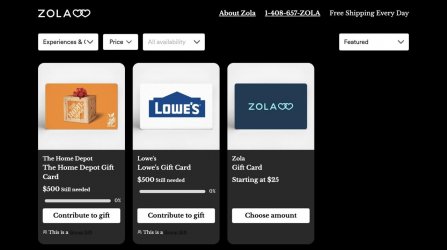
3. Make a purchase from a guest account. Use a clean card and a good proxy server. Zola is easy, but don't be lazy. Buy a gift card from the registry. You can try group gifts for larger amounts, but don't get greedy right away.
4. Place an order. Enter your card details. If Stripe likes your card, you're in. The pair (your other account) will receive a notification.
5. Withdraw money (cash out). For third-party cards, check the code in your email or registry. Act quickly - if the card is "hot", use it before anyone finds out.
Note:

Conclusion
The future of gift card carding is in being able to slip through the cracks. The smart move is to target stores that treat gift cards as a side hustle — hidden behind real merchandise, barely guarded, and largely ignored by other carders. That’s where the weak spots are, and that’s where the real profits are. Stick to the obvious targets, and you’ll get eaten along with the rest. Target the invisible, and you’ll stay in the game longer.
Now get carding and make a lot of money.
(c) Telegram: d0ctrine
There’s no point in repeating the same mistakes. Let’s cut through the fluff and look at a smarter approach to gift card carding—one that actually reflects the evolution of this game. I’ll break down the concept, then show you an example of the method so you can see what a real strategy looks like.
Be careful.
Gift Cards: Why It’s a Losing Game
Gift card carding is a lost cause these days. All the sites worth clicking on have been swarmed by desperate carders, and the sellers have blocked everything more strictly than ever. You'll have to contend with fraud filters, ID checks, and a horde of other scammers chasing the same scraps.
Even if you manage to get through, the payoff isn't worth the effort - lost time, burned cards, and gigabytes of proxy wasted for a few hundred dollars, if you're lucky.
If you’re still wasting time on gift cards on Eneba, you’re wasting your time and risking your stack for pennies. But don’t worry — there’s a smarter, more profitable approach: target sites that don’t sell gift cards in the first place. Let’s change the subject and get down to business.
Gift Card Profiling
You see, gift cards aren’t just hiding on the obvious gift card sites that everyone’s tired of. They’re everywhere — sometimes buried in the product catalogs of big retailers, sometimes attached to the checkout page of a random online store that doesn’t even specialize in digital goods. Hell, half the time these companies add gift cards simply to fill out their inventory or because their e-commerce platform requires it. It’s not the size of the store — some of them are big companies with incompetent web admins who treat gift cards like any other product.
So don’t waste your time fighting over scraps on the usual sites like Eneba or G2A. There’s an entire ecosystem of legitimate companies, big and small, that offer gift card options and then forget about them. Most of them have no idea about the risks, and their anti-fraud practices are laughable compared to sites that know they’re carder magnets. That’s where the real opportunity lies: not in chasing the same old tired targets, but in identifying the ones you’ve missed and never expected to be targeted.
Great example: Zola
Let’s face it, Zola.com is all wedding bells and happy couples on the surface, but dig deeper and you’ll find a gift card system that’s far less secure than you’d expect. Zola isn’t some kind of gift card supermarket — most people use it for wedding registries, not digital payouts. That’s why it flies under the radar.
Zola offers its own digital gift cards, as well as cards from big brands like Airbnb, Delta, Target, and more. They’re not scattered all over the homepage, but they’re easy to find if you know where to look. And since Zola’s core business is wedding merchandise, not gift cards, their anti-fraud system is designed to prevent anyone from scamming the blender, not to stop someone from stealing a few hundred dollars in digital credit.
Here’s how it works:
- Payments go through Stripe. Your card must be new — no resold junk with receipts. Stripe isn’t stupid: if your card is passed around, it will be destroyed. Use BinX’s Have I Been Sold? feature to double-check your card before you even think about buying. Increase your chances, or prepare to watch Stripe eat your lunch.
- Digital delivery. Zola's own cards are sent via email. Most third-party cards are digital too. No need to wait for the postman.
So what's the matter?
1. Create two accounts. One for the couple (make it realistic - add the wedding date, maybe a stock photo) and one for the guest.
2. Create a registry. Add the usual gifts and some gift cards. Don't look like you're just chasing cards - add kitchen junk to disguise it.
3. Make a purchase from a guest account. Use a clean card and a good proxy server. Zola is easy, but don't be lazy. Buy a gift card from the registry. You can try group gifts for larger amounts, but don't get greedy right away.
4. Place an order. Enter your card details. If Stripe likes your card, you're in. The pair (your other account) will receive a notification.
5. Withdraw money (cash out). For third-party cards, check the code in your email or registry. Act quickly - if the card is "hot", use it before anyone finds out.
Note:
- If the cash amount is over $1,000, Zola checks for photo ID - no obvious counterfeits, no fakes.
- Zola uses 3DS and flags suspicious configurations. Fresh emails, clean proxies, individual IP addresses - always.
- What's more, if your registry looks legitimate enough, you can handle multiple gift card transactions in a row before any red flags are raised. This means that one reliable registry can easily handle around 8-10 gift cards without any issues.
Conclusion
The future of gift card carding is in being able to slip through the cracks. The smart move is to target stores that treat gift cards as a side hustle — hidden behind real merchandise, barely guarded, and largely ignored by other carders. That’s where the weak spots are, and that’s where the real profits are. Stick to the obvious targets, and you’ll get eaten along with the rest. Target the invisible, and you’ll stay in the game longer.
Now get carding and make a lot of money.
(c) Telegram: d0ctrine
