


Today, we're taking on Wayfair.
Because while you're chasing small change, Wayfair is rolling in big money. The average order on their site is $250. That's no small feat considering the amount of cheap stuff they stock.
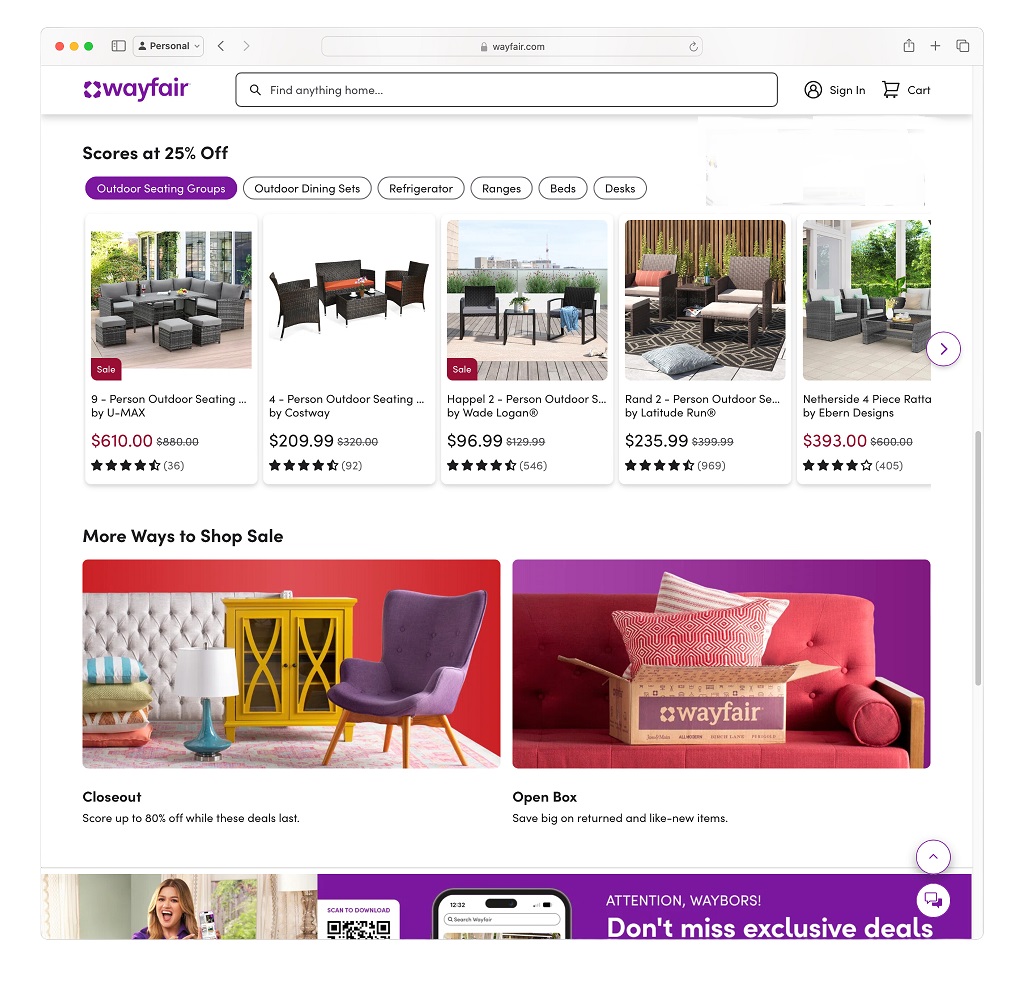
Wayfair is no pushover. They have a fraud detection system called Turboretard AI. But the sheer volume means we can slip through the cracks.
Are you in, or are you going to keep stealing Netflix?
Let's screw it up.
Why Wayfair?
Wayfair is a goddamn home improvement store. These bastards ship everything from pillows to entire kitchen cabinets all over planet Earth. Their inventory is huge, which means there are a ton of price points we can play with.
Wayfair’s security is a hit or miss. It’s strong in some ways, weak in others. They track everything you do on their site.
Their fraud detection is tuned for volume, not precision. It’s like trying to detect a single turd in a marine wastewater treatment plant. If you can mimic the behavior of a legitimate customer, you’re absolutely brilliant.
Research
Before we dive in like a bunch of mindless lemmings, let’s do some real fucking research. Fire up Google. Yeah, the thing you use to find porn.
Type in “AI antifraud Wayfair” and what do we get?
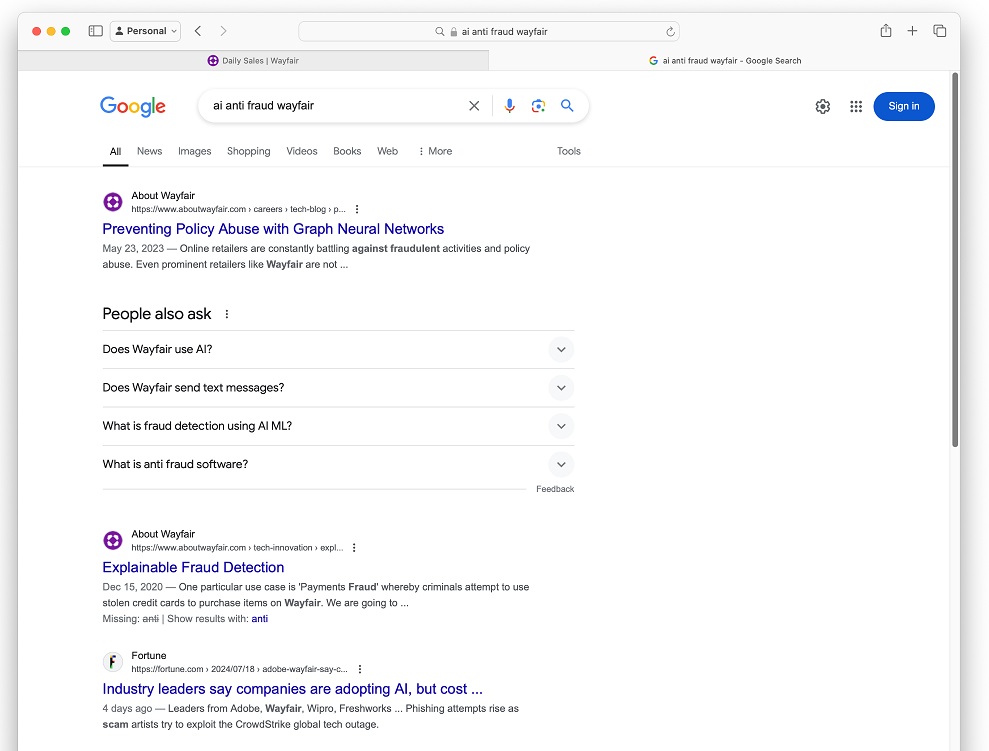
Well, well, well. Looks like Wayfair is in bed with Riskified. Ring any bells? This is the same crap FarFetch uses. Which means if you've already clicked on FarFetch, you have an advantage.
But that's not all. Fire up your HTTP sniffer, and what do we see?
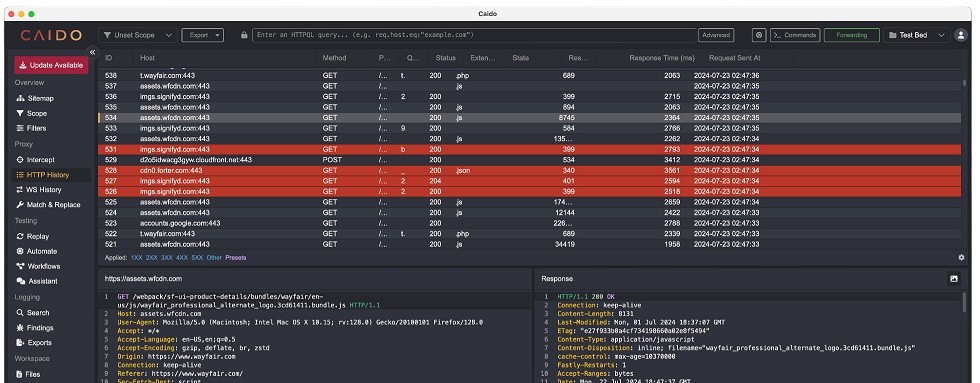
Holy shit. Wayfair doesn't just use Riskified. They have Forter and Signifyd too. These paranoid fucks have three AI co-blocks in place.
Three AI systems
Now you might be thinking, "Fuck, three AIs? Fucked up!" But hold on, Chick. Having three systems
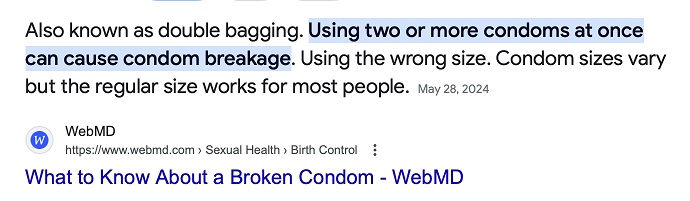
means nothing if they're used incorrectly. It's like having three condoms - you're just more likely to screw up.
From what I've seen, each system probably checks for different shit:
- One for invoice fraud
- Another for questionable addresses
- And the last one for card fraud
In my experience, Wayfair has a boner on shipping addresses. Why? Because it's a bitch to ship a fucking couch to multiple addresses.
So if you have a ton of residential addresses and you've read my guide to address fraud, you're in for a good time.
Remember, more security doesn’t always mean better security. Sometimes it just means more holes to exploit.
Wayfair’s Email Trust
Wayfair’s fraud process is like a dumb version of FarFetch, relying heavily on Riskified to prevent fraud. And what have we learned so far? Riskified has a huge fetish for email addresses. They look for emails with a history, especially ones that have dumped money on other Riskified-protected sites.
Now, Wayfair is trying to be sneaky. They won’t let you sign up from the home page without verifying your email address. But here’s where they screwed up: They skip the verification nonsense during checkout. That means our little trick of using the cardholder’s email still works effectively.
So what’s the game plan? Simple, you dumb bastards:
1. Catch the cardholder’s email
2. Use it to place your Wayfair order
3. Place your order
4. Raise email hell with your spam tool
This buries that pesky confirmation email faster than a mafia raid. And the best part? If the cardholders bought crap on FarFetch or any other Riskified site, you take them straight to the bank.
Remember how we did this on FarFetch? Same shit, different toilet. But with Wayfair, you’ll have even fewer hoops to jump through.
Just don’t screw up the timing. Spam that email the second you place your order.
Step-by-Step Guide: Taking Down Wayfair
1. Download Wayfair: Run Anti-Detect and Proxies.
2. Shop Like a Boss: Pick out overpriced designer furniture (keep it under $500 to start)
3. Cool Down: Leave the item in your cart for a couple hours. In my experience, this helps with Signifyd.
4. Checkout: Use the cardholder’s email address, no verification required.
5. Checkout: Pull the trigger on that purchase. Remember to smile, always.
6. Spam Attack: Launch your email bomber immediately, filling the poor guy’s email address with Viagra ads.
7. Relax: Wait for your designer furniture to arrive.
Wayfair vs. FarFetch The Finish Line
Look, I feel like a broken record, but most of what we covered in the FarFetch guide applies to Wayfair, too. If you missed that chapter, go back and read it, you lazy bastard.
For big purchases, let that shit marinate in your cart for a few hours. Wayfair is suspicious of script kiddies who prematurely ejaculate carders and try to remodel their entire house in 5 minutes.
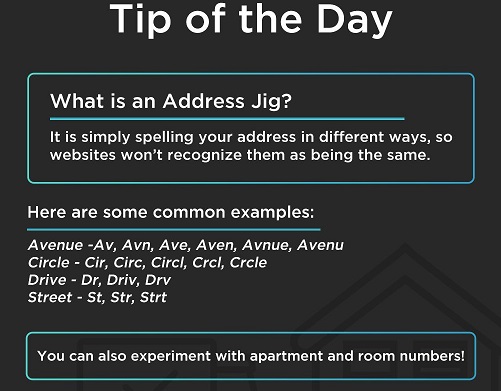
Oh, and here’s the kicker — Wayfair holds a grudge against drops. One fraud flag and that address is dead. So brush up on your address jigging skills or kiss your favorite drop goodbye.
Remember the email trick? Still works like a charm. Use the cardholder’s email, then bomb that inbox beyond recognition. Just time it right or you’re screwed.
Account warming, patient browsing, mixed carts — it’s all still a thing. But instead of pretending to be a champagne drinker, you play suburban dad with a penchant for home renovations, which sounds a little gay, right?
The Big Picture
If your brain isn't completely jaded, you'll have noticed the parallels between FarFetch and Wayfair. But here's the real lesson: It's not about memorizing steps like a fucking robot.
It's about learning to think properly.

Most of these sites are cut from the same cloth. They all fear the same thing: us. That’s why I’m here, to rewire your brain. To teach you to analyze, adapt, and overcome. Apply this shit everywhere. Learn to spot patterns and exploit weaknesses.
Or I could ramble on, spoon-feed you, recounting every detail from another guide, but if you can’t connect the dots yourself, maybe stick with card pizza and Netflix.
Because while you're chasing small change, Wayfair is rolling in big money. The average order on their site is $250. That's no small feat considering the amount of cheap stuff they stock.
Wayfair is no pushover. They have a fraud detection system called Turboretard AI. But the sheer volume means we can slip through the cracks.
Are you in, or are you going to keep stealing Netflix?
Let's screw it up.
These guides are for beginners: No fancy talk, just the basics of how to make cards without screwing up. If you're already a pro at this, you might learn a few tricks, but don't expect anything revolutionary.
Why Wayfair?
Wayfair is a goddamn home improvement store. These bastards ship everything from pillows to entire kitchen cabinets all over planet Earth. Their inventory is huge, which means there are a ton of price points we can play with.
Wayfair’s security is a hit or miss. It’s strong in some ways, weak in others. They track everything you do on their site.
Their fraud detection is tuned for volume, not precision. It’s like trying to detect a single turd in a marine wastewater treatment plant. If you can mimic the behavior of a legitimate customer, you’re absolutely brilliant.
Research
Before we dive in like a bunch of mindless lemmings, let’s do some real fucking research. Fire up Google. Yeah, the thing you use to find porn.
Type in “AI antifraud Wayfair” and what do we get?
Well, well, well. Looks like Wayfair is in bed with Riskified. Ring any bells? This is the same crap FarFetch uses. Which means if you've already clicked on FarFetch, you have an advantage.
But that's not all. Fire up your HTTP sniffer, and what do we see?
Holy shit. Wayfair doesn't just use Riskified. They have Forter and Signifyd too. These paranoid fucks have three AI co-blocks in place.
Three AI systems
Now you might be thinking, "Fuck, three AIs? Fucked up!" But hold on, Chick. Having three systems
means nothing if they're used incorrectly. It's like having three condoms - you're just more likely to screw up.
From what I've seen, each system probably checks for different shit:
- One for invoice fraud
- Another for questionable addresses
- And the last one for card fraud
In my experience, Wayfair has a boner on shipping addresses. Why? Because it's a bitch to ship a fucking couch to multiple addresses.
So if you have a ton of residential addresses and you've read my guide to address fraud, you're in for a good time.
Remember, more security doesn’t always mean better security. Sometimes it just means more holes to exploit.
Wayfair’s Email Trust
Wayfair’s fraud process is like a dumb version of FarFetch, relying heavily on Riskified to prevent fraud. And what have we learned so far? Riskified has a huge fetish for email addresses. They look for emails with a history, especially ones that have dumped money on other Riskified-protected sites.
Now, Wayfair is trying to be sneaky. They won’t let you sign up from the home page without verifying your email address. But here’s where they screwed up: They skip the verification nonsense during checkout. That means our little trick of using the cardholder’s email still works effectively.
So what’s the game plan? Simple, you dumb bastards:
1. Catch the cardholder’s email
2. Use it to place your Wayfair order
3. Place your order
4. Raise email hell with your spam tool
This buries that pesky confirmation email faster than a mafia raid. And the best part? If the cardholders bought crap on FarFetch or any other Riskified site, you take them straight to the bank.
Remember how we did this on FarFetch? Same shit, different toilet. But with Wayfair, you’ll have even fewer hoops to jump through.
Just don’t screw up the timing. Spam that email the second you place your order.
Step-by-Step Guide: Taking Down Wayfair
1. Download Wayfair: Run Anti-Detect and Proxies.
2. Shop Like a Boss: Pick out overpriced designer furniture (keep it under $500 to start)
3. Cool Down: Leave the item in your cart for a couple hours. In my experience, this helps with Signifyd.
4. Checkout: Use the cardholder’s email address, no verification required.
5. Checkout: Pull the trigger on that purchase. Remember to smile, always.
6. Spam Attack: Launch your email bomber immediately, filling the poor guy’s email address with Viagra ads.
7. Relax: Wait for your designer furniture to arrive.
Wayfair vs. FarFetch The Finish Line
Look, I feel like a broken record, but most of what we covered in the FarFetch guide applies to Wayfair, too. If you missed that chapter, go back and read it, you lazy bastard.
For big purchases, let that shit marinate in your cart for a few hours. Wayfair is suspicious of script kiddies who prematurely ejaculate carders and try to remodel their entire house in 5 minutes.
Oh, and here’s the kicker — Wayfair holds a grudge against drops. One fraud flag and that address is dead. So brush up on your address jigging skills or kiss your favorite drop goodbye.
Remember the email trick? Still works like a charm. Use the cardholder’s email, then bomb that inbox beyond recognition. Just time it right or you’re screwed.
Account warming, patient browsing, mixed carts — it’s all still a thing. But instead of pretending to be a champagne drinker, you play suburban dad with a penchant for home renovations, which sounds a little gay, right?
The Big Picture
If your brain isn't completely jaded, you'll have noticed the parallels between FarFetch and Wayfair. But here's the real lesson: It's not about memorizing steps like a fucking robot.
It's about learning to think properly.
Most of these sites are cut from the same cloth. They all fear the same thing: us. That’s why I’m here, to rewire your brain. To teach you to analyze, adapt, and overcome. Apply this shit everywhere. Learn to spot patterns and exploit weaknesses.
Or I could ramble on, spoon-feed you, recounting every detail from another guide, but if you can’t connect the dots yourself, maybe stick with card pizza and Netflix.