


Missed me? After a long stint under the radar, I’m back with a vengeance — and what better way to come back than to rock out with UrbanOutfitters, that hipster haven where overpriced “vintage” crap meets your cards right. Been cooking up some over the break, and boy, do I have some juicy pieces I’ll be sharing soon. Hope you didn’t get too sloppy while I was gone.
Why UrbanOutfitters?
Here’s why UrbanOutfitters is worth your time: Their shipping is fast — most drops land within 2-3 days. Their inventory sells out quickly because every dork on social media wants their “vintage” aesthetic. Designer collaborations from fashion brands and basics marked up 500% are all easily resold on resale sites. The profit margins are big enough to cover your resale discounts and still leave you with a decent chunk of change. An ideal place for beginners to learn the basics.
Unlike most sites that drown you in layers of security, UrbanOutfitters keeps it simple. There’s one checkpoint between you and their inventory. That’s it. And once you learn how to deal with it (and we will), you’ll be able to keep coming back. No AI learning your patterns, no evolving security — just one predictable hurdle to overcome.
Security Overview

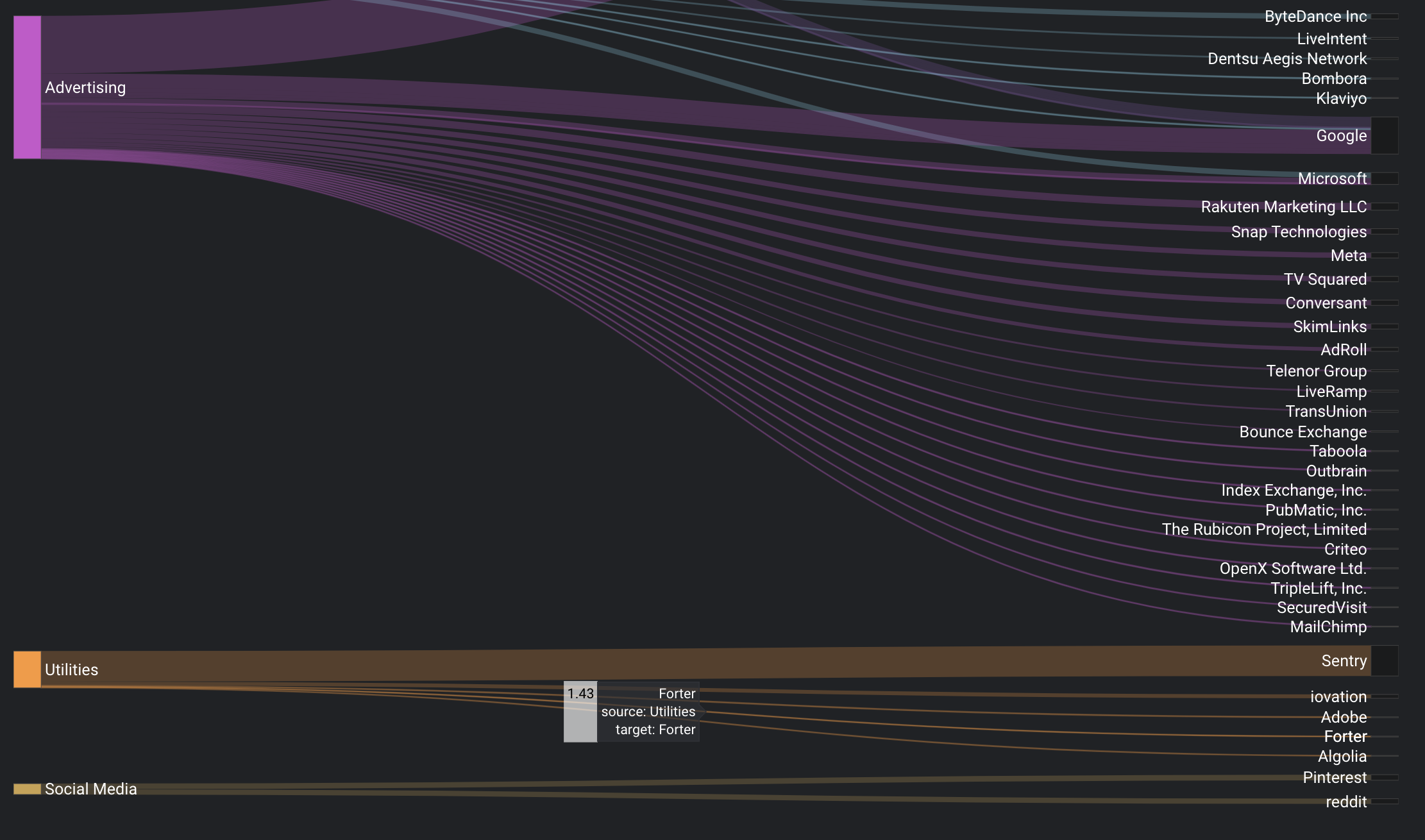
Fired up Burp Suite, and what do we see? Two major players in this game: Forter, which handles security, and Stripe, which handles payments. But here's where shit gets interesting - our HTTP logs show that Forter barely gets a ping. Translation? UO has top-notch security installed, but they're using it poorly. Their Forter implementation may have been cut to prevent unnecessary cancellations. If you're illiterate, you can also see this with this magical tool: WHOTRACKSME

AUTH/TRACE CODE
I've been beating UO for years, and their entire security theater comes down to one damn thing: the auth/trace code. When Forter or Stripes Radar smells something fishy (which happens a lot, especially with orders over $500), UO comes for that auth/trace code from your transaction.
The secret sauce? Use registration cards (VISA Alerts used to work, but with less success) — the ones where you have a transaction history. When they ask for verification, you can easily pull out that code and get your order without asking any additional questions. It’s literally their only serious defense against fraud.
The Concept of Replication
Another reason I decided to write about UrbanOutfitters is because the case study perfectly illustrates a concept I’ve been developing: replication. You see, most carders dream of hitting a site with thousands in one go, but the real money is in finding methods that work consistently over months or even years, even if each hit is smaller.
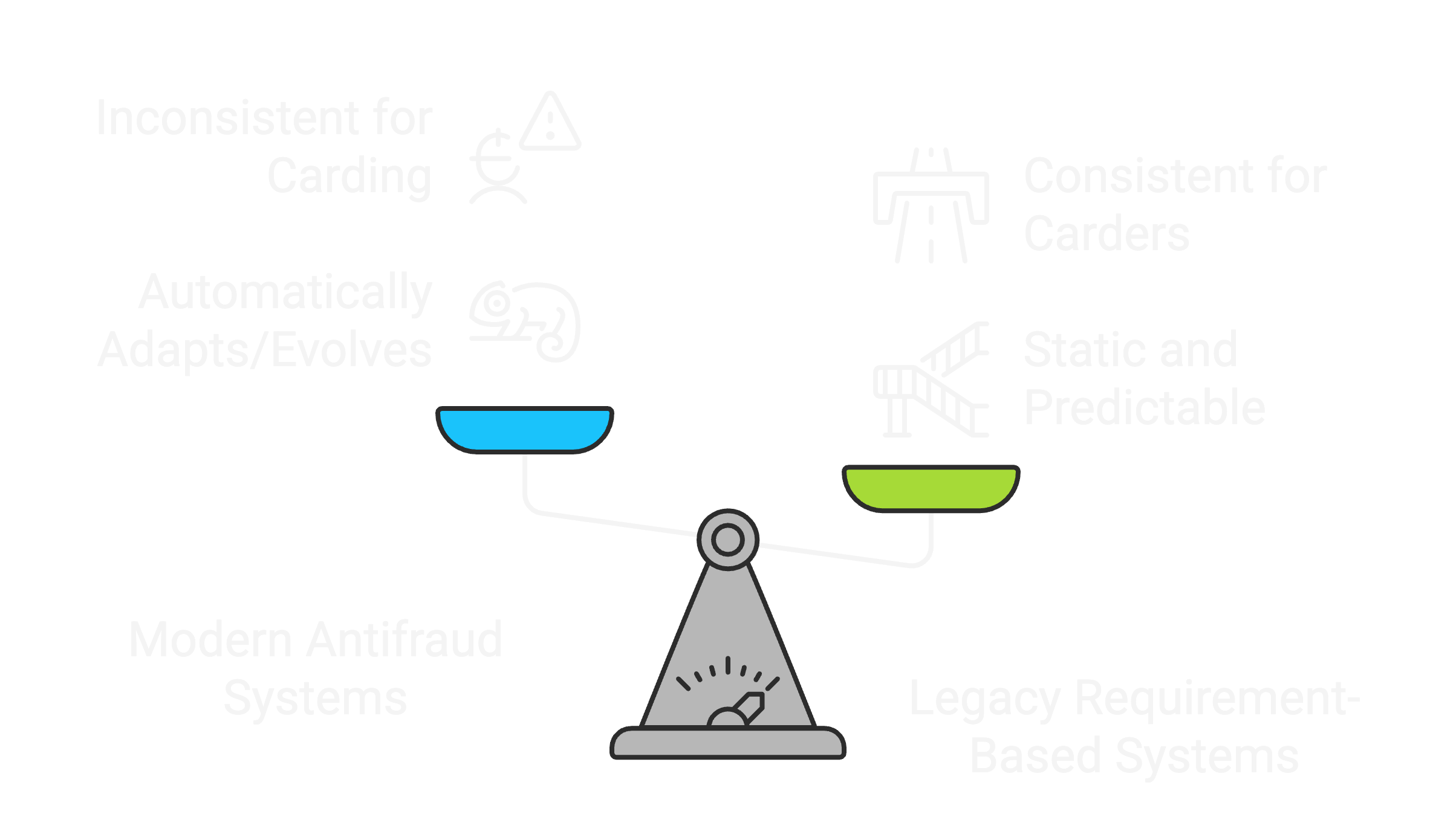
Current fraud protection systems are a pain in the ass: one week you print money, the next week all orders are cancelled. These AI systems learn your patterns and shut you down harshly. But sites like UrbanOutfitters? They are stuck in the Stone Age with their security model that only requires you to provide stuff to ship your orders. They are essentially saying, “We don’t care if you commit fraud, just show us the transaction code and we will ship your order.”
This is laughably ineffective compared to modern approaches to fraud, but it is great for carders looking for consistency. As long as you have cards with transaction history, you can keep hitting them indefinitely. No AI learning your patterns, no evolving protection, just the same stupid gates you can go through over and over again.
I'll go into more detail about this replication concept in another guide, but UrbanOutfitters is a great example of why consistent, repeatable methods are often worth more than one-time big wins.
The Process
Now that you understand why UrbanOutfitters is worth your time, let's take a closer look at how to get there:
Since UrbanOutfitters only cares about that authentication code, you can keep hammering them until they provide it. But don’t be overconfident. Spread your hits, change your settings, and for the love of God, don’t be greedy.
Final Words
At the end of the day, UrbanOutfitters is a top target if you can dance around their trace/authentication code requirements. Keep your methods fresh, your data tighter than a noose, and never become so damn consistent that the system backs you into the wall. Adapt, evolve, and above all, remain unpredictable.
Now go ahead and figure out their system, but in a way that leaves you with money.
(c) Telegram: d0ctrine
Our Telegram chat: BinX Labs
Why UrbanOutfitters?
Here’s why UrbanOutfitters is worth your time: Their shipping is fast — most drops land within 2-3 days. Their inventory sells out quickly because every dork on social media wants their “vintage” aesthetic. Designer collaborations from fashion brands and basics marked up 500% are all easily resold on resale sites. The profit margins are big enough to cover your resale discounts and still leave you with a decent chunk of change. An ideal place for beginners to learn the basics.
Unlike most sites that drown you in layers of security, UrbanOutfitters keeps it simple. There’s one checkpoint between you and their inventory. That’s it. And once you learn how to deal with it (and we will), you’ll be able to keep coming back. No AI learning your patterns, no evolving security — just one predictable hurdle to overcome.
Security Overview
Fired up Burp Suite, and what do we see? Two major players in this game: Forter, which handles security, and Stripe, which handles payments. But here's where shit gets interesting - our HTTP logs show that Forter barely gets a ping. Translation? UO has top-notch security installed, but they're using it poorly. Their Forter implementation may have been cut to prevent unnecessary cancellations. If you're illiterate, you can also see this with this magical tool: WHOTRACKSME
AUTH/TRACE CODE
I've been beating UO for years, and their entire security theater comes down to one damn thing: the auth/trace code. When Forter or Stripes Radar smells something fishy (which happens a lot, especially with orders over $500), UO comes for that auth/trace code from your transaction.
The secret sauce? Use registration cards (VISA Alerts used to work, but with less success) — the ones where you have a transaction history. When they ask for verification, you can easily pull out that code and get your order without asking any additional questions. It’s literally their only serious defense against fraud.
The Concept of Replication
Another reason I decided to write about UrbanOutfitters is because the case study perfectly illustrates a concept I’ve been developing: replication. You see, most carders dream of hitting a site with thousands in one go, but the real money is in finding methods that work consistently over months or even years, even if each hit is smaller.
Current fraud protection systems are a pain in the ass: one week you print money, the next week all orders are cancelled. These AI systems learn your patterns and shut you down harshly. But sites like UrbanOutfitters? They are stuck in the Stone Age with their security model that only requires you to provide stuff to ship your orders. They are essentially saying, “We don’t care if you commit fraud, just show us the transaction code and we will ship your order.”
This is laughably ineffective compared to modern approaches to fraud, but it is great for carders looking for consistency. As long as you have cards with transaction history, you can keep hitting them indefinitely. No AI learning your patterns, no evolving protection, just the same stupid gates you can go through over and over again.
I'll go into more detail about this replication concept in another guide, but UrbanOutfitters is a great example of why consistent, repeatable methods are often worth more than one-time big wins.
The Process
Now that you understand why UrbanOutfitters is worth your time, let's take a closer look at how to get there:
- Get your virgin cards ready - and I mean virgin. If those cards were pre-verified by Stripe, you're already screwed.
- As we always do with all our other guides, if there are coupons, grab them. It makes your session more legitimate and allows you to stuff more items into your cart.

- Make sure your details are perfect. Yes, the authentication code is the key, but Stripes Radar will reject your application before you even get there if you're sloppy:
- Address? No records of past questionable transactions
- The card? Should handle high volumes and pass basic fraud checks
- Proxies? Only dedicated residential proxies are allowed. No shared BS or data center IPs.
- Antidetect? Set this thing up properly - a poor browser fingerprint is a one-way ticket to rejection


- Have a card ready that you have access to the transaction history of. It's your decision when they ask for verification.
- When you checkout, create an account and look at your card history panel. Once this transaction appears, write down the trace code and save it somewhere.
- When they ask for that trace/authentication code (and they probably will), be prepared to pull it out of your registry. But you won't even get that far if Radar flags your transaction as suspicious, because you'll keep getting rejected.
- If you run into a snag or keep getting rejections, check your settings. Your card may be clean and your proxy may be residential, but if something in your configuration looks suspicious to Radar, you won't even get to the authentication code stage.
Since UrbanOutfitters only cares about that authentication code, you can keep hammering them until they provide it. But don’t be overconfident. Spread your hits, change your settings, and for the love of God, don’t be greedy.
Final Words
At the end of the day, UrbanOutfitters is a top target if you can dance around their trace/authentication code requirements. Keep your methods fresh, your data tighter than a noose, and never become so damn consistent that the system backs you into the wall. Adapt, evolve, and above all, remain unpredictable.
Now go ahead and figure out their system, but in a way that leaves you with money.
(c) Telegram: d0ctrine
Our Telegram chat: BinX Labs