


Cramming Sonos. The Training Wheels of Carding. Tons of newbies have been pestering me for easy targets, congratulations — your prayers to the fraud gods have been answered.
For all you newbies out there, Sonos is your chance to finally get your hands on something worthwhile. The audio retailer serves up high-quality speakers and sound systems on a silver platter, guarded by security that can’t tell which orders are fraudulent.
But just because Sonos is the carding equivalent of a kiddie pool doesn’t mean you can’t drown in it. You’ll still have to use those two brain cells that are wiggling in your skull.
So grab your cards from the clearance bin, fire up that anti-detect browser you hacked, and let’s turn Sonos into our personal audio gear distributor. It’s time to flood the market with carded speakers and line our pockets with cash. Welcome to carding kindergarten, class has begun.
Why Sonos?
Sonos is a goddamn goldmine. With a net worth of over $2 billion, these audio rich are ripe for the pickings.

Their product sells quickly and remains functional. Unlike most electronic devices with cards that become useless bricks when the owner disputes the transactions, Sonos devices continue to pump out tunes. No remote locking, no blacklisting - you won't have any problems using them or selling them.
The resale market is also great. Audio freaks and regular Joes are always on the hunt for Sonos gear. You won't have a hard time reselling those overpriced speakers.
So while others are trying to flip broken PlayStations, we’ll be swimming in a sea of easily resellable, high-demand audio gear. Sonos is practically begging us to exploit them, and who are we to say no?
Reconnaissance
We fired up our HTTP analyzer and dove into the digital guts of Sonos. Unlike most sites we’ve dissected, this sneaky shop actually tries to hide its payment gateway and fraud protection. It seems they think a little obscurity will keep us out. Sweet.
But after a few minutes of digging (which usually takes me about 60 seconds, tops), we’ve uncovered their little secret. Sonos uses CyberSource for payments and Signifyd for fraud prevention. Now we’re on to something.

CyberSource isn't the toughest nut to crack, but it's not a total bummer either. They're known for their 3D Secure implementation, which can be a pain in the ass if you're not prepared.
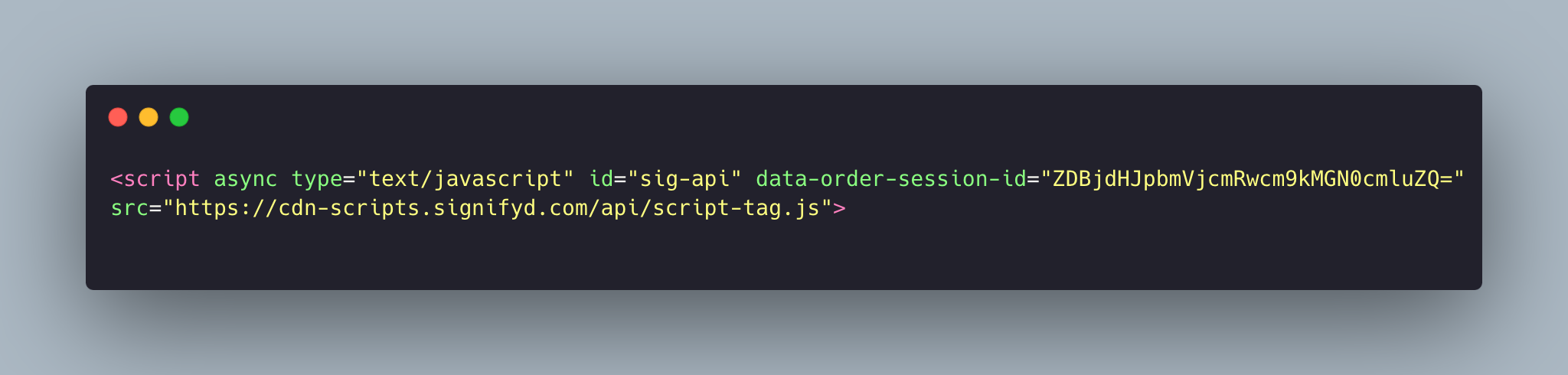
Signifyd, on the other hand, is a real challenge. These bastards use machine learning to detect fraudulent patterns. They don’t just look at your card data; they analyze your entire session, from how you move your mouse to how long you spend on each page.
Half-assed security
But here’s the thing – Sonos’s implementation of these systems seems half-assed at best. They have top-notch security, but they’re using it like amateurs. Our analysis (and my experience) shows no sign of mouse movement or activity being logged by Signifyd. They’re probably just using it for basic transaction checks, forgoing all the advanced behavioral analysis.
They have top-notch security, but they forgot to turn on half of it. This half-baked setup is why Sonos is one of the easiest targets, in my experience. Their overconfidence in poor implementation is our golden ticket.
How transactions are processed
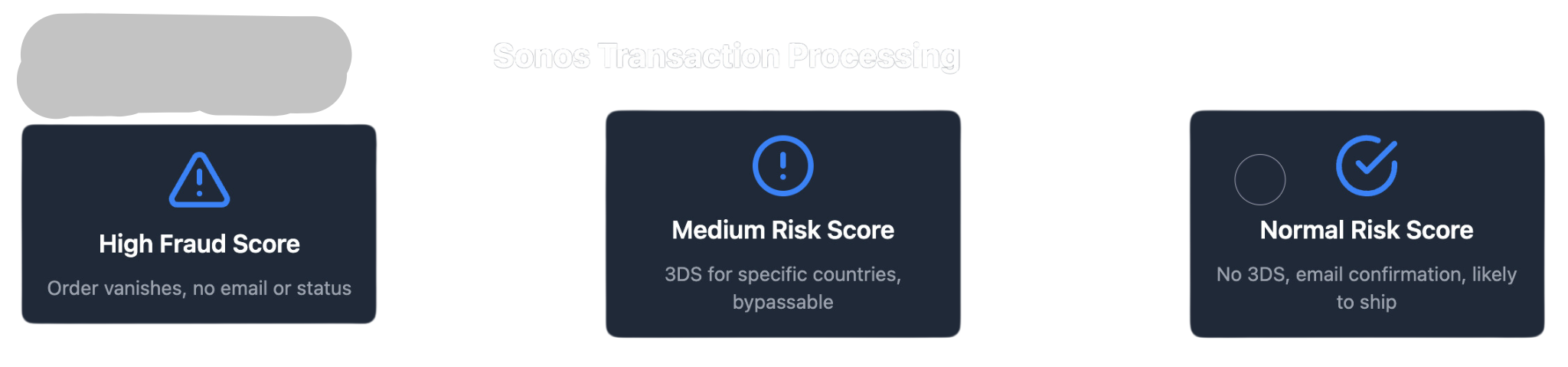
Sonos' poor implementation of its anti-fraud system has some strange consequences, particularly in how transactions are processed and verified:
Sonos is such an easy target because of this shitty setup. Their system is bipolar as fk. If you play your cards right (pun intended), you can slip right through their Swiss cheese security.
Requirements and Process
To get into Sonos, you'll need the basics: clean cards (Non-VBV for US, AU, or EU countries, no need for the rest), quality residential proxies that match your card's country, and a solid anti-detect setup. Fresh ones are better for drops, especially if they haven't received any Sonos products before.
The process is pretty typical - I'd waste internet space repeating the same thing for every entry. Set up your environment, browse like a normal person, shuffle your cart, and checkout as a guest if possible. Enter your details manually (don't be a lazy copypasta), submit, and wait. If you score, don't immediately come back seconds later like a greedy carder. Sonos's
Advanced method
Sonos is surprisingly lax about changing shipping addresses. Our "ship on invoice, then change after order confirmation" method works like magic here.
Here's how it works:
This method can improve your success rate, especially if you’re using cards with high fraud rates or suspicious drops. It helps you bypass the initial fraud checks by using a “safe” address and then redirecting to your real drop.
However, Sonos is so easy to card that I rarely bother with this trick. Their basic security is full of holes, and you can usually get your item shipped directly to your address without jumping through those extra hoops. But keep this in your back pocket for those times when you need a little extra edge.
Final Thoughts
Sonos is your carding boot camp. It’s perfect for those of you who are too hesitant to pick your first target.
Why? It’s almost idiot-proof. Weak security, easily counterfeited products, and a simple process. You’ll have to try really hard to screw up.
But don’t be complacent. Use it to learn the ropes. Understand why it works and hone your skills. Sonos is your warm-up before the real game begins.
Remember, carding is about cleverly exploiting weaknesses. Consider this your 101 course.
Now go card some speakers. If you manage to screw it up, maybe consider a career change.
(c) Author: @d0ctrine
For all you newbies out there, Sonos is your chance to finally get your hands on something worthwhile. The audio retailer serves up high-quality speakers and sound systems on a silver platter, guarded by security that can’t tell which orders are fraudulent.
But just because Sonos is the carding equivalent of a kiddie pool doesn’t mean you can’t drown in it. You’ll still have to use those two brain cells that are wiggling in your skull.
So grab your cards from the clearance bin, fire up that anti-detect browser you hacked, and let’s turn Sonos into our personal audio gear distributor. It’s time to flood the market with carded speakers and line our pockets with cash. Welcome to carding kindergarten, class has begun.
Why Sonos?
Sonos is a goddamn goldmine. With a net worth of over $2 billion, these audio rich are ripe for the pickings.
Their product sells quickly and remains functional. Unlike most electronic devices with cards that become useless bricks when the owner disputes the transactions, Sonos devices continue to pump out tunes. No remote locking, no blacklisting - you won't have any problems using them or selling them.
The resale market is also great. Audio freaks and regular Joes are always on the hunt for Sonos gear. You won't have a hard time reselling those overpriced speakers.
So while others are trying to flip broken PlayStations, we’ll be swimming in a sea of easily resellable, high-demand audio gear. Sonos is practically begging us to exploit them, and who are we to say no?
Reconnaissance
We fired up our HTTP analyzer and dove into the digital guts of Sonos. Unlike most sites we’ve dissected, this sneaky shop actually tries to hide its payment gateway and fraud protection. It seems they think a little obscurity will keep us out. Sweet.
But after a few minutes of digging (which usually takes me about 60 seconds, tops), we’ve uncovered their little secret. Sonos uses CyberSource for payments and Signifyd for fraud prevention. Now we’re on to something.
CyberSource isn't the toughest nut to crack, but it's not a total bummer either. They're known for their 3D Secure implementation, which can be a pain in the ass if you're not prepared.
Signifyd, on the other hand, is a real challenge. These bastards use machine learning to detect fraudulent patterns. They don’t just look at your card data; they analyze your entire session, from how you move your mouse to how long you spend on each page.
Half-assed security
But here’s the thing – Sonos’s implementation of these systems seems half-assed at best. They have top-notch security, but they’re using it like amateurs. Our analysis (and my experience) shows no sign of mouse movement or activity being logged by Signifyd. They’re probably just using it for basic transaction checks, forgoing all the advanced behavioral analysis.
They have top-notch security, but they forgot to turn on half of it. This half-baked setup is why Sonos is one of the easiest targets, in my experience. Their overconfidence in poor implementation is our golden ticket.
How transactions are processed
Sonos' poor implementation of its anti-fraud system has some strange consequences, particularly in how transactions are processed and verified:
- High Fraud Score: If your Fraud Score is off the charts (thanks to your trash proxy or a drop that has seen more counterfeit items than the buyer's warehouse), here's what's happening: Your order goes through without any of the 3DS nonsense, but it's like it never happened. No email, no order status, nothing. It's like your order got sucked into a black hole. Sonos basically screwed you.
- Medium Risk: If your risk level is high but not maxed out, Sonos gets picky with 3DS. They will prompt 3DS in certain countries (US, sometimes AU, EU, etc.). You can easily get around this with a NONVBV card or by shipping to another country. Just make sure your drops are clean and your invoice is up to date with the shipping.
- Normal Risk Score: If your risk score looks kosher, you're golden. No 3DS, and you'll get that sweet confirmation email. In my experience, once you get that email, you can count on your order being shipped. I've never seen a case where the email arrived and the order never shipped. Maybe someone else has had that experience, I don't know.
Sonos is such an easy target because of this shitty setup. Their system is bipolar as fk. If you play your cards right (pun intended), you can slip right through their Swiss cheese security.
Requirements and Process
To get into Sonos, you'll need the basics: clean cards (Non-VBV for US, AU, or EU countries, no need for the rest), quality residential proxies that match your card's country, and a solid anti-detect setup. Fresh ones are better for drops, especially if they haven't received any Sonos products before.
The process is pretty typical - I'd waste internet space repeating the same thing for every entry. Set up your environment, browse like a normal person, shuffle your cart, and checkout as a guest if possible. Enter your details manually (don't be a lazy copypasta), submit, and wait. If you score, don't immediately come back seconds later like a greedy carder. Sonos's
Advanced method
Sonos is surprisingly lax about changing shipping addresses. Our "ship on invoice, then change after order confirmation" method works like magic here.
Here's how it works:
- Place your order using your billing address as the shipping address.
- Once you receive your order confirmation, please contact Sonos Support to change your shipping address.
- Feed them some nonsense about moving or that it's a gift - they usually don't ask questions.
This method can improve your success rate, especially if you’re using cards with high fraud rates or suspicious drops. It helps you bypass the initial fraud checks by using a “safe” address and then redirecting to your real drop.
However, Sonos is so easy to card that I rarely bother with this trick. Their basic security is full of holes, and you can usually get your item shipped directly to your address without jumping through those extra hoops. But keep this in your back pocket for those times when you need a little extra edge.
Final Thoughts
Sonos is your carding boot camp. It’s perfect for those of you who are too hesitant to pick your first target.
Why? It’s almost idiot-proof. Weak security, easily counterfeited products, and a simple process. You’ll have to try really hard to screw up.
But don’t be complacent. Use it to learn the ropes. Understand why it works and hone your skills. Sonos is your warm-up before the real game begins.
Remember, carding is about cleverly exploiting weaknesses. Consider this your 101 course.
Now go card some speakers. If you manage to screw it up, maybe consider a career change.
Disclaimer: The information provided in this article, as well as all my articles and guides, is for educational purposes only. This is an exploration of how scams work and is not intended to promote, endorse, or facilitate any illegal activity. I cannot be held responsible for any actions taken based on this material or any material posted by my account. Please use this information responsibly and do not engage in any criminal activity.
(c) Author: @d0ctrine
Last edited by a moderator: