


Baltini isn’t just another site selling overpriced goods, it’s a luxury fashion marketplace where the rich spend thousands on designer clothes while lowly bitches max out their credit cards trying to look Instagram-worthy. What makes it perfect for us? Their desperate need to sell makes them careless with security.
What is Baltini?
Baltini specializes in high-end designer fashion — think Gucci, Prada, Saint Laurent, and all those brands that cost more than your monthly rent. They sell everything from $1,000 sneakers to $5,000 bags that do the same job as a $20 bag from Target.
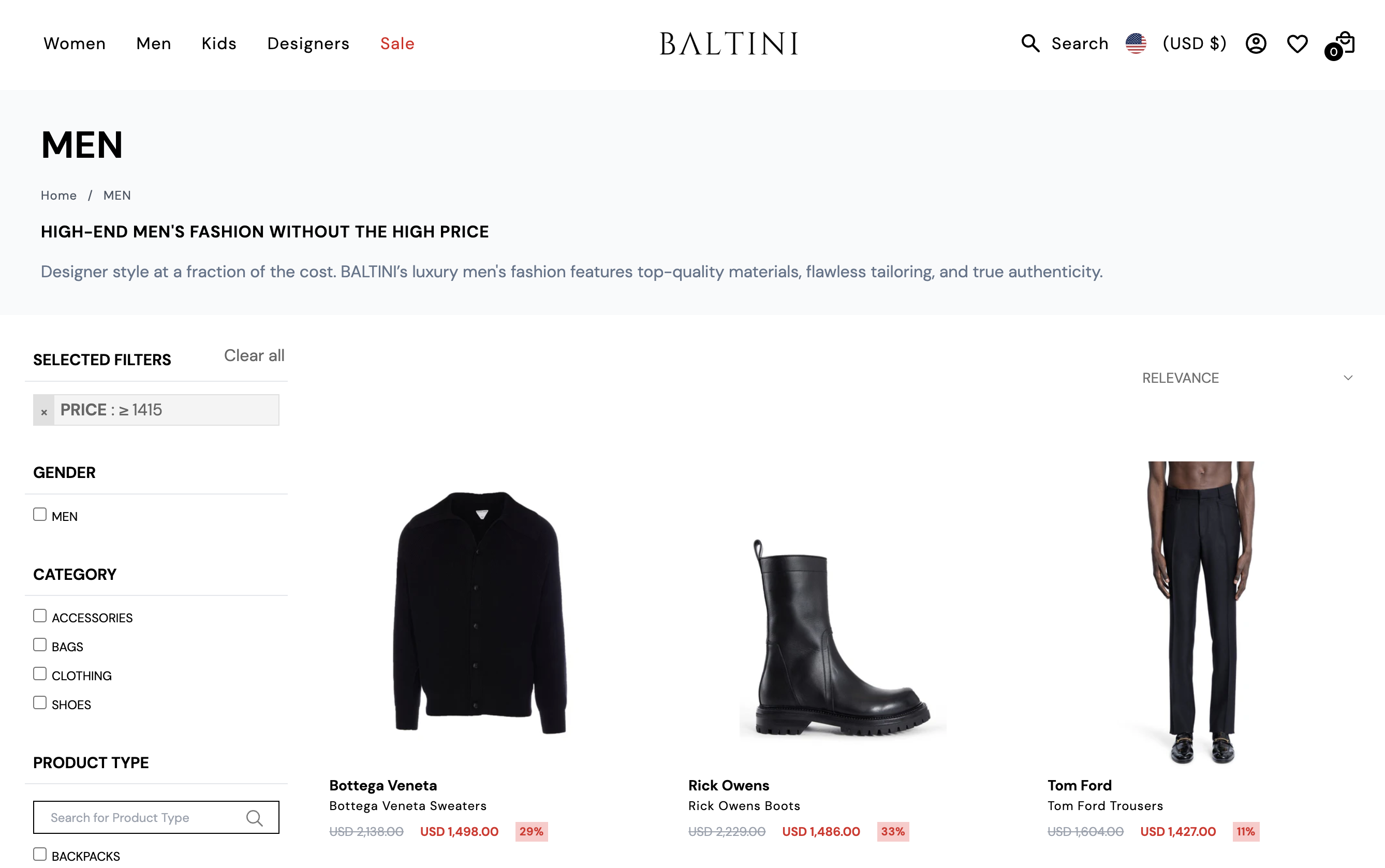
They ship fast. Orders are usually shipped within 24-48 hours because rich people don’t want to waste time waiting. This fast processing works in our favor — by the time the cardholder notices that their statement looks strange, your package is already at the drop’s destination.
 WARNING
One of the ways antifraud systems detect and reject your transactions is by checking whether the card has been used elsewhere. This means that cards that are resold at multiple stores and frequently double-checked for validity will be rejected outright.
Luckily, BinX has a free tool that will help you assess whether the card you’re about to buy is being resold at multiple stores. And the best part is that it’s all FREE:
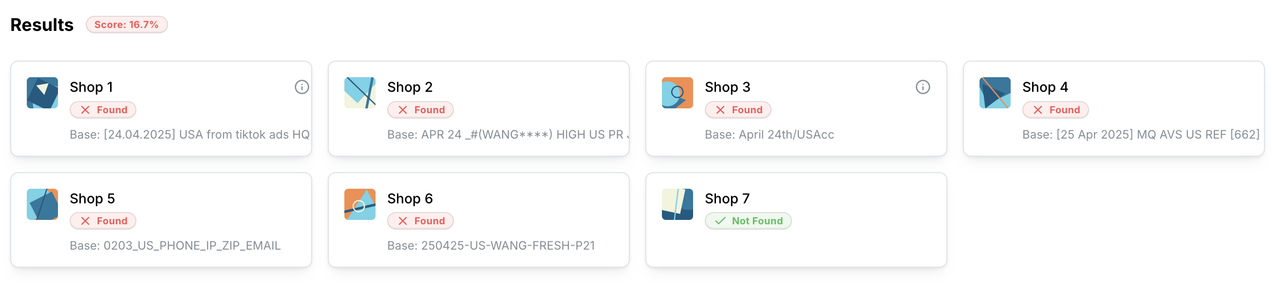
Now you'll know if a card is bad before you buy it.
Check it here: https://binx.cc/tools/resell
Baltini Site and Payment Security
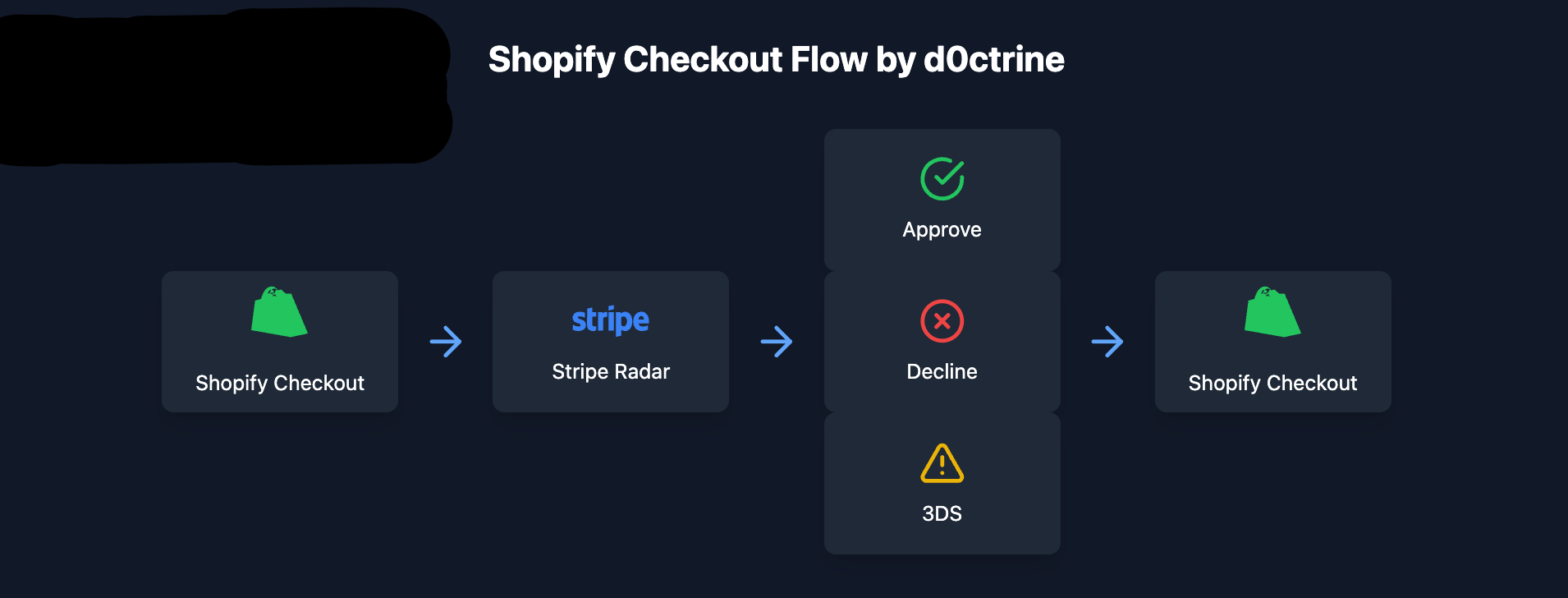
On a superficial level, Baltini runs on Shopify with Shopify Payments (powered by Stripe Radar). What does that mean for you? It means your card should be clean as hell — no recycled junk that's been run through Stripe's shitty public API checks. Stripe Radar flags cards that have been pre-checked or used elsewhere, so stick to fresh, untouched CCs unless you want 3DS prompts or your order getting trashed before or after checkout.
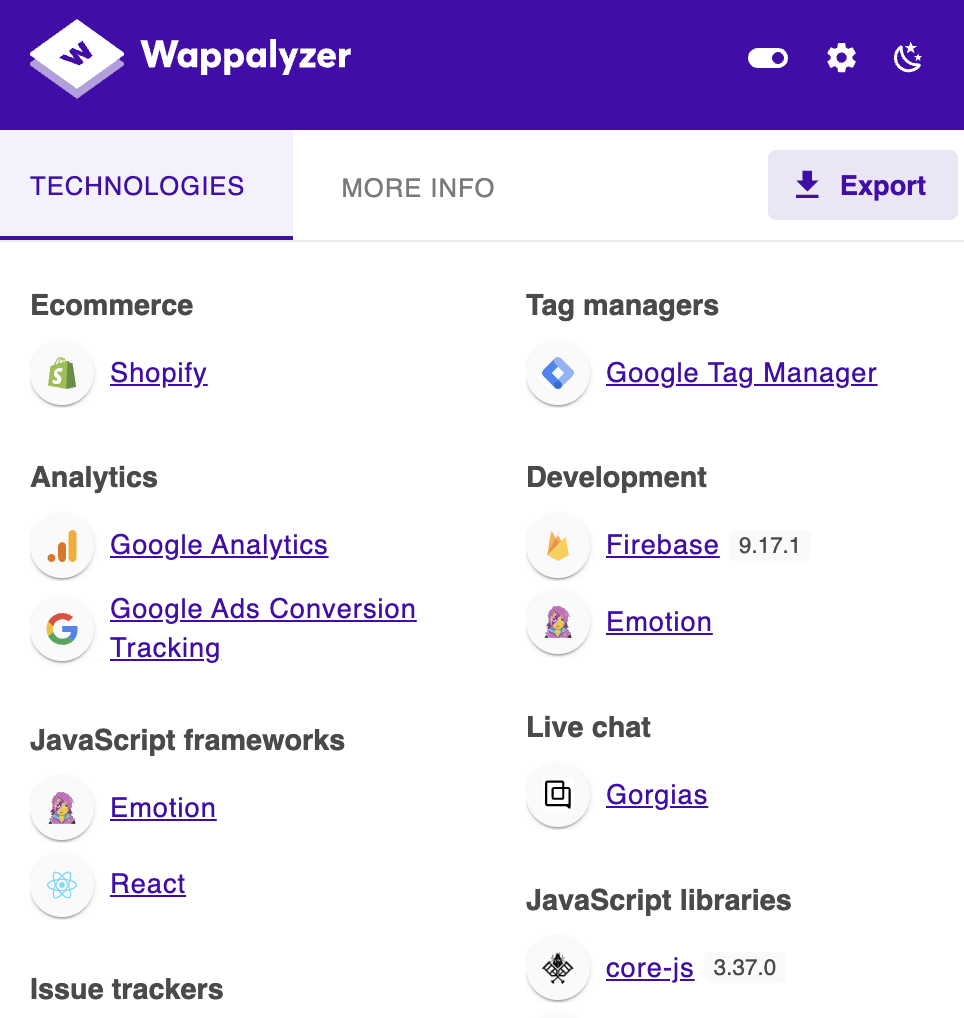
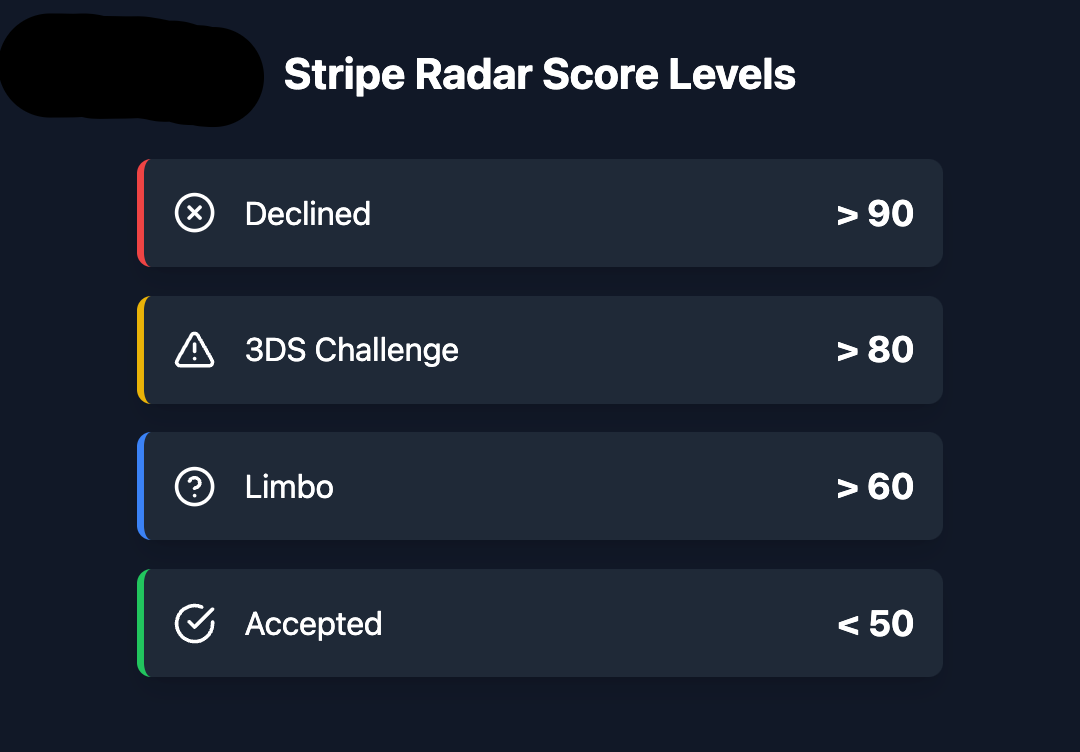
Digging into Burp Suite, we found that Baltini also uses SEON antifraud, a creepy tracking system that fingerprints your device, monitors your email history, and analyzes your every click.

Check out the thread: "AntiFraud in Focus: SEON" for a deep dive, where you'll learn that SEON creates a detailed risk profile for you, but here's the funny thing: Even if SEON flags your order as questionable, Baltini's greed usually wins. Instead of canceling your order right away, they'll send you an email asking for a screenshot of your banking app, a photo of your card, and ID.

And here’s the funny thing: They don’t even bother with mini-payments or verification codes. All they need is a screenshot from your banking app showing the Baltini payment. Photoshop is your best friend here. Take a believable banking screenshot showing this:
But don’t be sloppy. If your screenshot looks like the work of a five-year-old, they’ll cancel your order and your drop will be burned.
Replication
As AI systems become increasingly brutal watchdogs, carding success depends less on AI-powered brute force and more on finding sites with predictable, rigorous verification requirements. The digital fraud landscape of 2025 is all about replication — finding methods that work repeatedly rather than one-off assessments.
Baltini is not exactly an ideal copycat target, since they use SEON. But their manual review process relies on human review rather than AI decision making. Humans are predictable, follow protocols, and can be manipulated through social engineering. AI learns from every interaction; a customer service rep simply follows a checklist.
Requirements and Process

Conclusion
Baltini represents the middle ground in modern carding – complex enough to scare away amateurs, but predictable enough that professionals can exploit it repeatedly. Their reliance on manual verification instead of fully automated systems creates a vulnerability that won’t be fixed overnight.
The best thing about sites like Baltini is that they are caught between two competing interests: preventing fraud and making money. As long as their manual verification process works, they will continue to use it – giving us a repeatable method to milk until they finally wake up and smell chargeback fees.
(c) Telegram: d0ctrine
What is Baltini?
Baltini specializes in high-end designer fashion — think Gucci, Prada, Saint Laurent, and all those brands that cost more than your monthly rent. They sell everything from $1,000 sneakers to $5,000 bags that do the same job as a $20 bag from Target.
They ship fast. Orders are usually shipped within 24-48 hours because rich people don’t want to waste time waiting. This fast processing works in our favor — by the time the cardholder notices that their statement looks strange, your package is already at the drop’s destination.
WARNING One of the ways antifraud systems detect and reject your transactions is by checking whether the card has been used elsewhere. This means that cards that are resold at multiple stores and frequently double-checked for validity will be rejected outright.
Luckily, BinX has a free tool that will help you assess whether the card you’re about to buy is being resold at multiple stores. And the best part is that it’s all FREE:
Now you'll know if a card is bad before you buy it.
Check it here: https://binx.cc/tools/resell
Baltini Site and Payment Security
On a superficial level, Baltini runs on Shopify with Shopify Payments (powered by Stripe Radar). What does that mean for you? It means your card should be clean as hell — no recycled junk that's been run through Stripe's shitty public API checks. Stripe Radar flags cards that have been pre-checked or used elsewhere, so stick to fresh, untouched CCs unless you want 3DS prompts or your order getting trashed before or after checkout.
Digging into Burp Suite, we found that Baltini also uses SEON antifraud, a creepy tracking system that fingerprints your device, monitors your email history, and analyzes your every click.
Check out the thread: "AntiFraud in Focus: SEON" for a deep dive, where you'll learn that SEON creates a detailed risk profile for you, but here's the funny thing: Even if SEON flags your order as questionable, Baltini's greed usually wins. Instead of canceling your order right away, they'll send you an email asking for a screenshot of your banking app, a photo of your card, and ID.
And here’s the funny thing: They don’t even bother with mini-payments or verification codes. All they need is a screenshot from your banking app showing the Baltini payment. Photoshop is your best friend here. Take a believable banking screenshot showing this:
Code:
SP BALTINI
+18339381182 US
But don’t be sloppy. If your screenshot looks like the work of a five-year-old, they’ll cancel your order and your drop will be burned.
Replication
As AI systems become increasingly brutal watchdogs, carding success depends less on AI-powered brute force and more on finding sites with predictable, rigorous verification requirements. The digital fraud landscape of 2025 is all about replication — finding methods that work repeatedly rather than one-off assessments.
Baltini is not exactly an ideal copycat target, since they use SEON. But their manual review process relies on human review rather than AI decision making. Humans are predictable, follow protocols, and can be manipulated through social engineering. AI learns from every interaction; a customer service rep simply follows a checklist.
Requirements and Process
- Set up a digital identity.
Take an old Gmail account – at least 6 months old – and link it to a few legitimate-looking social profiles (e.g. Facebook, Instagram, LinkedIn). Make sure these profiles have credible activity and purchase history. SEON puts so much emphasis on email history + social media presence, so give them something compelling to chew on.
- Device and connection.
Your best bet here is a new iPhone with Private Relay enabled —this combination keeps your device fingerprint clean and consistent. A Macbook with Safari works too (which is what I use).

- Choosing the right card.
Aim for high-limit credit cards that haven’t been burned elsewhere. Make sure the BIN matches the billing profile—luxury purchases look less suspicious on high-limit cards from reputable banks. - Making a purchase.
Be natural – browse Baltini for 15-20 minutes, check out a few products, and use the search function. Add a few items to your cart before making your final selection. Start with a modest amount (range $500-$1000) to build trust before moving on to larger amounts. Make sure your drop hasn’t seen transactions from SEON-powered sites.


- Verification is a piece of cake.
When Baltini inevitably asks for a screenshot of a transaction, have a professionally edited screenshot of your banking app, ID, and card ready — with accurate UI element balances and transaction history. If they call, use a voice changer and remember the cardholder details. Respond quickly (within 1-2 hours) to confirmation emails to avoid raising suspicion.

Conclusion
Baltini represents the middle ground in modern carding – complex enough to scare away amateurs, but predictable enough that professionals can exploit it repeatedly. Their reliance on manual verification instead of fully automated systems creates a vulnerability that won’t be fixed overnight.
The best thing about sites like Baltini is that they are caught between two competing interests: preventing fraud and making money. As long as their manual verification process works, they will continue to use it – giving us a repeatable method to milk until they finally wake up and smell chargeback fees.
Disclaimer: The information provided in this article, as well as all my articles and guides, is for educational purposes only. This is an exploration of how scams work and is not intended to promote, endorse, or facilitate any illegal activity. I cannot be held responsible for any actions taken based on this material or any material posted by my account. Please use this information responsibly and do not engage in any criminal activity.
(c) Telegram: d0ctrine