


Printing Money With Fake IDs Under Pickup Service.
Lately, my PMs have been flooded with messages about Amazon. "It's impossible to card on Amazon now!" "Every order gets cancelled!" Sherlock. Bezos and his tech goons have beefed up their defenses.
But we're carders, damn it. When obstacles arise, we don't curl up in a ball and cry. We evolve, we get smarter, we find new ways to rake in the cash. It's in our DNA.
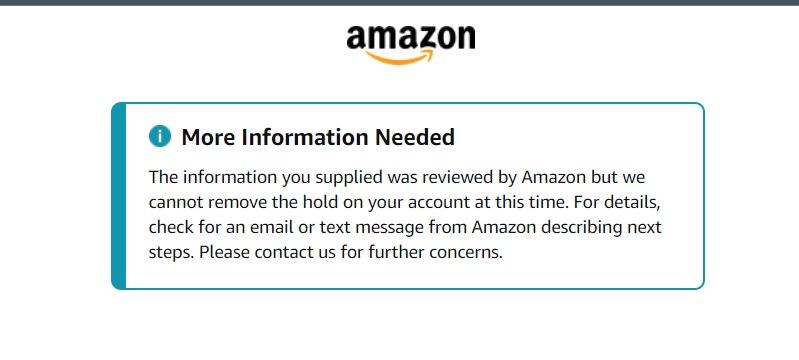
So, I’m going to share a method that has been consistently profitable while other methods have failed. Use a fake ID pickup service. This approach makes traditional carding look like you’re sniffing through your couch cushions for change.
I’ve been around long enough to sniff out crappy methods. But this one is legit when it comes out. I’ve seen it succeed, I’ve done it myself, and now I’m laying it out for you.
Let’s turn your Amazon failures into fucking cash.
Fake ID pickup makes Amazon’s security system look like Windows 95.
What is Fake ID Pickup?
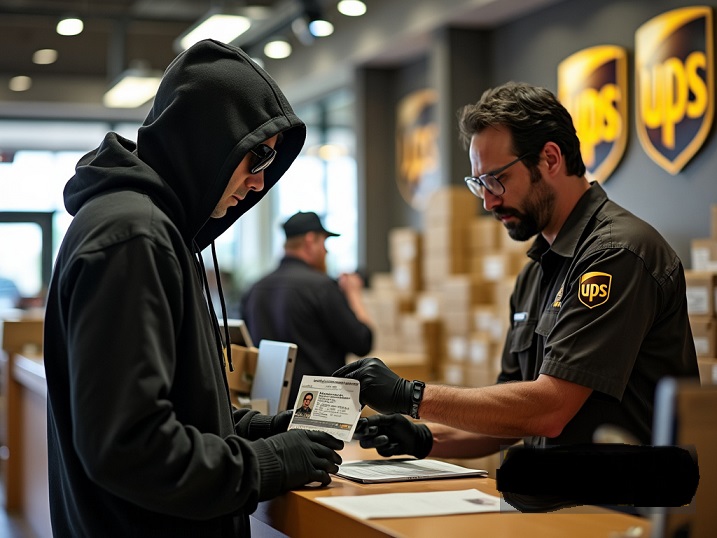
Fake IDs are the carder's middle finger to Amazon's (and other sites') strict security measures. It's like finding a secret tunnel outside a maximum security prison when the guards are on alert.
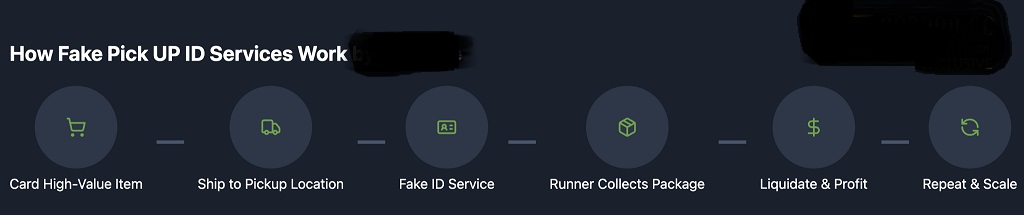
Here's how this beautiful bastard method works:
Now let’s talk about profit. These services typically take a commission based on the cost of the item. The more expensive the item, the smaller their percentage, but the fatter everyone’s paycheck. It’s a win-win.
But what’s really interesting is the scalability and variety. You’re no longer limited by shipping addresses or personal cashing capabilities. You can hit multiple stores in different states at once. We’re talking electronics from Amazon, designer clothes from Nordstrom, even in-store pickup from Apple or Best Buy. If it has in-store pickup, it’s fair game.
The real beauty of this scheme is the risk mitigation. Traditional carding methods leave you vulnerable from order to delivery. With fake IDs, your window of vulnerability is reduced to the time between placing your order and it arriving at the pickup location. Once it’s there, you can consider it a sell.
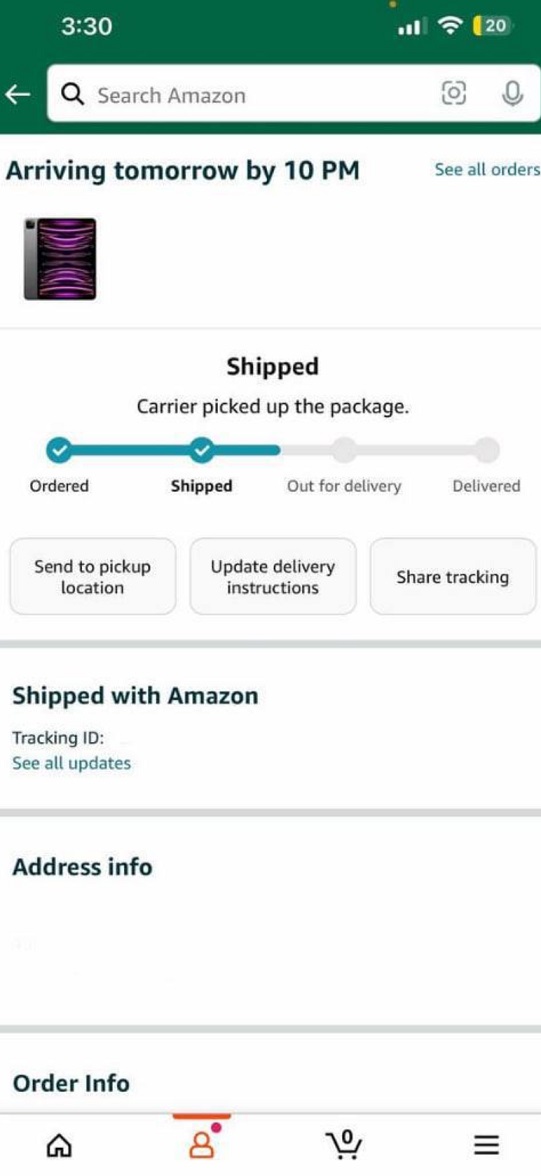
This isn’t just a method, it’s a whole new philosophy. You’re no longer playing defense, constantly worrying about shipping addresses and package interceptions. Now you’re on offense, focused solely on getting that order through the initial fraud checks. It’s a paradigm shift that turns the entire carding game on its head. And depending on the services you partner with, the trick will work not only with Amazon, but with other major stores as well!
But remember, with great power comes great responsibility (and profit). This method requires building relationships with reputable fake ID services, understanding the nuances of different store policies, and constantly adapting to new security measures. It’s not for lazy bastards who don’t want to bother doing their homework.
So welcome to the big leagues of carding, and I’m honored to have been able to introduce you to it.
Doing It With Amazon
So how do we do it with Amazon? If you’ve read the Amazon Fraud Guide: Beating Amazon Fraud, you have a solid foundation. Now we’re adding a new twist to it.
First things first: Use an old account. I can’t stress this enough. An old Amazon account with a solid order history is worth its weight in gold. It increases your chances of success tenfold. If you don’t have one, buy one from a reputable seller, as it’s worth every dollar. If you don’t have an old account, it can still work, and it’ll be a lot better than trying to ship items to your own address.
Now let’s break it down:

Remember, the rules of the game have changed a bit with this method. You no longer have to worry about shipping addresses or delivery speed. You’re focused on getting the order through Amazon’s initial fraud checks. Once it’s in UPS, you should be happy.
Which fake ID services should you use?
Now that you’re ready to dive in, you’re probably wondering where to find these fake ID services in the shadows of our favorite forum
. There are a ton of fake ID services out there. One good example is NinjaBlack. This service has been in the game for over 4 years now, covering a bunch of different states. They have a minimum package value of $1,000, pay out within 7 business days in BTC, and even offer compensation if they screw up. Not too shabby.
But NinjaBlack isn’t the only player in town. There are others, each with their own rules and benefits. Some may cover different states, while others may have better rates or faster payouts. It's like a buffet of illegal services and you just have to make your choice.
Whichever service you choose, do your homework. Check out their reputation, read reviews, and maybe even start with a small order (assuming that’s the minimum they accept) to test the waters. Remember, reputation is everything in this game.
And here’s a pro tip from yours truly: aim for long-term relationships. Making friends in this industry isn’t just about warm fuzzy feelings: it’s cold hard cash. A service that knows you and trusts you can give you better prices and prioritize your pickups, or even point you to hot new opportunities.
So shop around, do your due diligence, and find a service that fits your needs. Just remember: in the world of fake pickups, your success depends on theirs.
Final Thoughts
We’ve just passed through the golden gates of carder heaven. Fake IDs aren’t just another method, they’re a whole new game.

Now I know you have the attention span of a goldfish, so let's recap:
Remember, this method is not foolproof. Nothing in this world is foolproof. But it is a masterclass in risk mitigation. You are no longer the sucker who prays that your package won’t be marked at some random drop address.
As always, stay paranoid. Keep evolving.
Now go out there and start turning those cancellation emails into fat stacks of crypto. Make me proud.
Lately, my PMs have been flooded with messages about Amazon. "It's impossible to card on Amazon now!" "Every order gets cancelled!" Sherlock. Bezos and his tech goons have beefed up their defenses.
But we're carders, damn it. When obstacles arise, we don't curl up in a ball and cry. We evolve, we get smarter, we find new ways to rake in the cash. It's in our DNA.
So, I’m going to share a method that has been consistently profitable while other methods have failed. Use a fake ID pickup service. This approach makes traditional carding look like you’re sniffing through your couch cushions for change.
I’ve been around long enough to sniff out crappy methods. But this one is legit when it comes out. I’ve seen it succeed, I’ve done it myself, and now I’m laying it out for you.
Let’s turn your Amazon failures into fucking cash.
Fake ID pickup makes Amazon’s security system look like Windows 95.
What is Fake ID Pickup?
Fake IDs are the carder's middle finger to Amazon's (and other sites') strict security measures. It's like finding a secret tunnel outside a maximum security prison when the guards are on alert.
Here's how this beautiful bastard method works:
- You order some expensive piece of crap from Amazon or any other online retailer, but instead of sending it to a delivery address, you send it to a UPS or FedEx drop-off point. This is where the magic happens. Enter a fake ID service with its network of couriers, each equipped with IDs so convincing they could fool a DMV employee.
- When your package lands, you give the tracking number, cardholder name, and pickup location to a fake ID service. Their courier comes in, flashes a fake ID, and walks away with your counterfeit goods. It's Ocean's Eleven level crap, minus the fancy suits and Vegas backdrop.
Now let’s talk about profit. These services typically take a commission based on the cost of the item. The more expensive the item, the smaller their percentage, but the fatter everyone’s paycheck. It’s a win-win.
But what’s really interesting is the scalability and variety. You’re no longer limited by shipping addresses or personal cashing capabilities. You can hit multiple stores in different states at once. We’re talking electronics from Amazon, designer clothes from Nordstrom, even in-store pickup from Apple or Best Buy. If it has in-store pickup, it’s fair game.
The real beauty of this scheme is the risk mitigation. Traditional carding methods leave you vulnerable from order to delivery. With fake IDs, your window of vulnerability is reduced to the time between placing your order and it arriving at the pickup location. Once it’s there, you can consider it a sell.
This isn’t just a method, it’s a whole new philosophy. You’re no longer playing defense, constantly worrying about shipping addresses and package interceptions. Now you’re on offense, focused solely on getting that order through the initial fraud checks. It’s a paradigm shift that turns the entire carding game on its head. And depending on the services you partner with, the trick will work not only with Amazon, but with other major stores as well!
But remember, with great power comes great responsibility (and profit). This method requires building relationships with reputable fake ID services, understanding the nuances of different store policies, and constantly adapting to new security measures. It’s not for lazy bastards who don’t want to bother doing their homework.
So welcome to the big leagues of carding, and I’m honored to have been able to introduce you to it.
Doing It With Amazon
So how do we do it with Amazon? If you’ve read the Amazon Fraud Guide: Beating Amazon Fraud, you have a solid foundation. Now we’re adding a new twist to it.
First things first: Use an old account. I can’t stress this enough. An old Amazon account with a solid order history is worth its weight in gold. It increases your chances of success tenfold. If you don’t have one, buy one from a reputable seller, as it’s worth every dollar. If you don’t have an old account, it can still work, and it’ll be a lot better than trying to ship items to your own address.
Now let’s break it down:
- Log in to your old Amazon account. Make sure you are using a clean browser profile and a residential IP address that matches your account history.
- Start looking at high-value items. We're talking electronics, designer items, anything that will fetch a good price. Remember, the fake ID service takes a commission, so you want items with a big profit margin.
- Add the item to your cart. This is where things differ from our standard Amazon carding method. Instead of using your regular shipping address, you’ll select UPS pickup during checkout. This is important—it’s what makes this whole operation work.
- When you check out, you'll need to select a UPS location. Choose one that's in the state where your fake ID service operates. Some services have "hot" locations where their couriers have the best success rates. Ask your service if they have any preferred locations.
- For the recipient name, simply use the cardholder's name. This is important - it must match the fake ID that will be used for pickup.
- Complete your order using your card payment method. All the usual rules apply here: make sure your card matches the billing address, use the correct BIN, and all that.
- Once you place your orders, you will receive a tracking number. This is your golden ticket. Contact the fake ID service and tell them:
- Identification number
- Cardholder name
- UPS Access Point Address
- Product Description (they need to know what they are getting)
- Now wait. The service will send a courier to pick up your package as soon as it arrives at the UPS location.
- Once they receive the item, they will send you your share of the cryptocurrency. The time frame for this varies, but most services will pay out within a week.
Remember, the rules of the game have changed a bit with this method. You no longer have to worry about shipping addresses or delivery speed. You’re focused on getting the order through Amazon’s initial fraud checks. Once it’s in UPS, you should be happy.
Which fake ID services should you use?
Now that you’re ready to dive in, you’re probably wondering where to find these fake ID services in the shadows of our favorite forum
. There are a ton of fake ID services out there. One good example is NinjaBlack. This service has been in the game for over 4 years now, covering a bunch of different states. They have a minimum package value of $1,000, pay out within 7 business days in BTC, and even offer compensation if they screw up. Not too shabby.
But NinjaBlack isn’t the only player in town. There are others, each with their own rules and benefits. Some may cover different states, while others may have better rates or faster payouts. It's like a buffet of illegal services and you just have to make your choice.
Whichever service you choose, do your homework. Check out their reputation, read reviews, and maybe even start with a small order (assuming that’s the minimum they accept) to test the waters. Remember, reputation is everything in this game.
And here’s a pro tip from yours truly: aim for long-term relationships. Making friends in this industry isn’t just about warm fuzzy feelings: it’s cold hard cash. A service that knows you and trusts you can give you better prices and prioritize your pickups, or even point you to hot new opportunities.
So shop around, do your due diligence, and find a service that fits your needs. Just remember: in the world of fake pickups, your success depends on theirs.
Final Thoughts
We’ve just passed through the golden gates of carder heaven. Fake IDs aren’t just another method, they’re a whole new game.
Now I know you have the attention span of a goldfish, so let's recap:
- Use old Amazon accounts (or not, depending on your choice)
- Focus on valuable items
- Delivery to UPS pick-up points
- Partner with reputable fake ID services
- Build long-term relationships in the game
Remember, this method is not foolproof. Nothing in this world is foolproof. But it is a masterclass in risk mitigation. You are no longer the sucker who prays that your package won’t be marked at some random drop address.
As always, stay paranoid. Keep evolving.
Now go out there and start turning those cancellation emails into fat stacks of crypto. Make me proud.