

There’s a weird misconception among newbie carders: since scamming and hacking are related, the tools must be related too. Think using some fancy privacy browser or hacking OS will make you a pro? No, it will make you a clown. Let’s take a look at why these “privacy” tools are ruining your results and making you stand out even more.
Privacy Is Not for Carding
First, let’s be clear: privacy is not for scamming. Privacy extensions and browsers are designed to prevent advertisers from tracking your embarrassing search history — great if you’re paranoid about Google knowing your preferences in hemorrhoid cream, but completely counterproductive when it comes to scamming.
You see, your goal isn’t to avoid ads, it’s to blend in. You want to look like every other boring, normal person shopping online. Privacy tools, ironically, do the opposite — they strengthen your session so much that you stand out, which leads to more cancellations. Entropy
Entropy
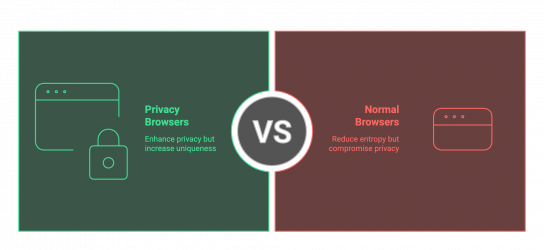
is just a fancy word for uniqueness. The more unique your browser fingerprint, the easier it is for anti-fraud systems to track you down. Privacy browsers boost your entropy by blocking scripts, cookies, and trackers that regular browsers accept without issue. This simply means that by focusing on privacy, you lose the ability to be invisible, which is essential if you want sites to trust you.
Privacy Browsers
Privacy browsers with strict settings and extensions are designed to keep tech giants out of your business. They block trackers, reject cookies, and generally tell the internet to go to hell when it comes to surveillance.
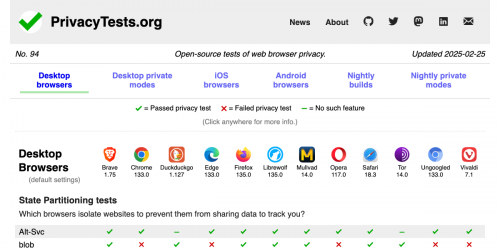
You might think this is the perfect solution for scams, and you’d be sadly mistaken: these browsers are optimized for anonymity, but scams demand the opposite — you need to appear trustworthy and boringly ordinary. Any privacy feature that protects you from being tracked makes you a total loser for carding.
Third-Party Cookies
Third-party cookies are a great example. These are tiny strings that websites save on your computer to track you across domains. They’re also one of the ways websites know you’re a legitimate customer. Regular browsers accept these cookies without complaining. Privacy-focused browsers block them by default. You might think you’re being sneaky, but all you’re doing is telling the site, “Hey, I’m not like other shoppers — I’m special.” And guess what? The special request gets flagged. The special request gets rejected. The special request doesn’t get you any clicks.
Third-party cookies are what make session warming really effective. When you warm up a session, these cookies track your behavior across different parts of the site and create a profile that says, “This person is real.”

If you're using a strict privacy-focused browser that blocks these cookies, warming up your session by manually browsing different sites is completely useless. You're essentially starting from scratch each time, which is what anti-fraud systems track.
Do Not Track and JS/FP Blocking
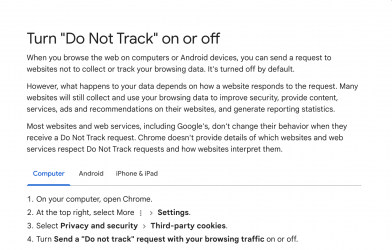
Do Not Track (DNT) sounds great in theory — who doesn't want to tell trackers to go to hell? But in regular browsers, DNT is not enabled by default. So when your privacy-enabled browser proudly proclaims "DO NOT TRACK ME," anti-fraud systems immediately think, "Hmm, this asshole is hiding something."
Even worse, privacy-enabled browsers often corrupt JavaScript and authentication methods. They randomize canvas, rectangle, WebGL, and other identifier values, sometimes changing them every session. You think you're being clever, but all you're doing is making the site suspicious.
Hacker OSes, RDPs, and VMs:
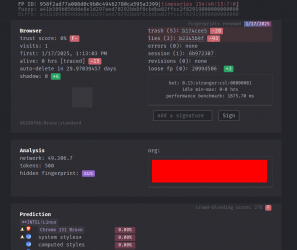
These include, but are not limited to, cool hacker OSes like Kali Linux, Parrot OS, or Qubes / Whonix. Sure, they look cool in screenshots, but they're practically useless for carding. Regular shoppers don't use hacker/private OSes to buy sneakers, so anyone caught using one is immediately suspect.
Blend in or get busted
I get it, browsers with private features and hacker OSes seem cool. But carding isn't about being pretty, it's about being boring. Your goal is to blend in, not stand out like some weirdo. Use popular antidetections or an iPhone, set up your system to look as standard as possible, and stop sabotaging your own hits.
Remember: the best scammers aren't the ones who look like hackers, they're the ones who look like your grandpa buying dog food.
(c) Telegram: d0ctrine
Privacy Is Not for Carding
First, let’s be clear: privacy is not for scamming. Privacy extensions and browsers are designed to prevent advertisers from tracking your embarrassing search history — great if you’re paranoid about Google knowing your preferences in hemorrhoid cream, but completely counterproductive when it comes to scamming.
You see, your goal isn’t to avoid ads, it’s to blend in. You want to look like every other boring, normal person shopping online. Privacy tools, ironically, do the opposite — they strengthen your session so much that you stand out, which leads to more cancellations. Entropy
Entropy
is just a fancy word for uniqueness. The more unique your browser fingerprint, the easier it is for anti-fraud systems to track you down. Privacy browsers boost your entropy by blocking scripts, cookies, and trackers that regular browsers accept without issue. This simply means that by focusing on privacy, you lose the ability to be invisible, which is essential if you want sites to trust you.
Privacy Browsers
Privacy browsers with strict settings and extensions are designed to keep tech giants out of your business. They block trackers, reject cookies, and generally tell the internet to go to hell when it comes to surveillance.
You might think this is the perfect solution for scams, and you’d be sadly mistaken: these browsers are optimized for anonymity, but scams demand the opposite — you need to appear trustworthy and boringly ordinary. Any privacy feature that protects you from being tracked makes you a total loser for carding.
Third-Party Cookies
Third-party cookies are a great example. These are tiny strings that websites save on your computer to track you across domains. They’re also one of the ways websites know you’re a legitimate customer. Regular browsers accept these cookies without complaining. Privacy-focused browsers block them by default. You might think you’re being sneaky, but all you’re doing is telling the site, “Hey, I’m not like other shoppers — I’m special.” And guess what? The special request gets flagged. The special request gets rejected. The special request doesn’t get you any clicks.
Third-party cookies are what make session warming really effective. When you warm up a session, these cookies track your behavior across different parts of the site and create a profile that says, “This person is real.”
If you're using a strict privacy-focused browser that blocks these cookies, warming up your session by manually browsing different sites is completely useless. You're essentially starting from scratch each time, which is what anti-fraud systems track.
Do Not Track and JS/FP Blocking
Do Not Track (DNT) sounds great in theory — who doesn't want to tell trackers to go to hell? But in regular browsers, DNT is not enabled by default. So when your privacy-enabled browser proudly proclaims "DO NOT TRACK ME," anti-fraud systems immediately think, "Hmm, this asshole is hiding something."
Even worse, privacy-enabled browsers often corrupt JavaScript and authentication methods. They randomize canvas, rectangle, WebGL, and other identifier values, sometimes changing them every session. You think you're being clever, but all you're doing is making the site suspicious.
Hacker OSes, RDPs, and VMs:
These include, but are not limited to, cool hacker OSes like Kali Linux, Parrot OS, or Qubes / Whonix. Sure, they look cool in screenshots, but they're practically useless for carding. Regular shoppers don't use hacker/private OSes to buy sneakers, so anyone caught using one is immediately suspect.
Blend in or get busted
I get it, browsers with private features and hacker OSes seem cool. But carding isn't about being pretty, it's about being boring. Your goal is to blend in, not stand out like some weirdo. Use popular antidetections or an iPhone, set up your system to look as standard as possible, and stop sabotaging your own hits.
Remember: the best scammers aren't the ones who look like hackers, they're the ones who look like your grandpa buying dog food.
(c) Telegram: d0ctrine