

Welcome to the first installment of our “Science of Carding” series. If you’re expecting some “5 Easy Steps to Amazon Carding Guide” nonsense, look no further. This series is about reprogramming your brain from script kiddie to fucking carding genius.
We’re starting with a topic that’s more ignored than your high school girlfriend: intellectual property quality. Yeah, I know, it sounds about as exciting as watching paint dry. But trust me, this shit matters. It’s the difference between striking gold and getting slapped in the face by every anti-fraud system in existence.
Now, fair warning: this guide won’t hold your hand or spoon-feed you methods. We’re here to teach you how to think, not what to think. If this is too much for your tiny brain, there are plenty of Telegram groups selling 100% working methods that will happily take your money and give you a working 200 year old manual.
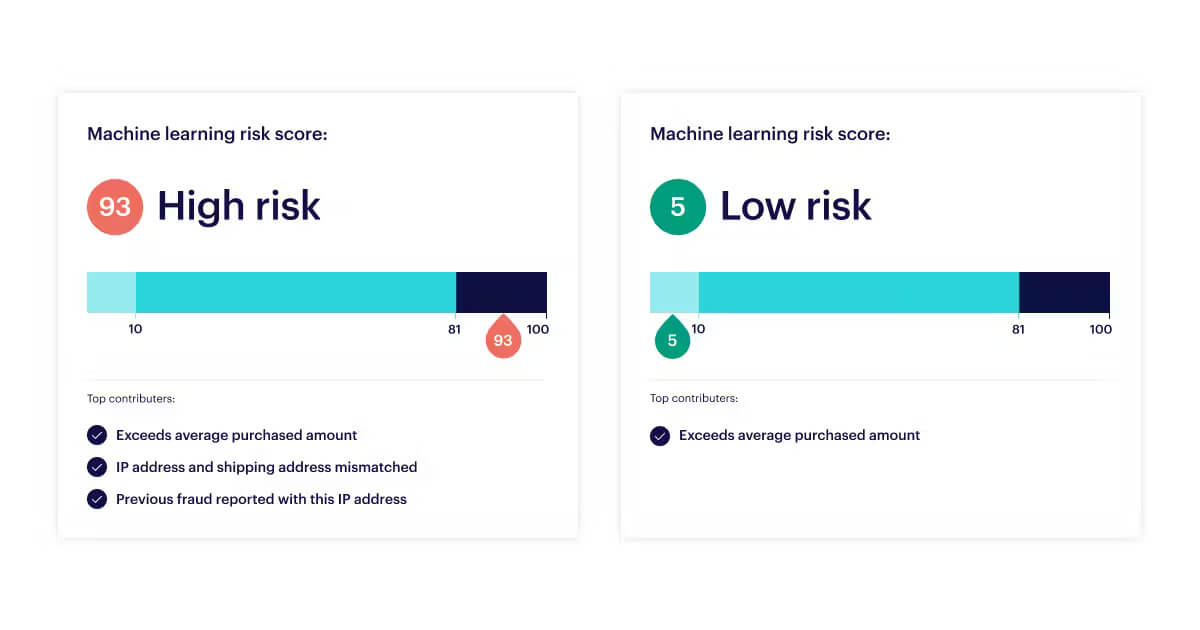
For the rest of you with more than two brain cells to rub against each other, hold on tight. We’re about to dive into the world of IP quality, and by the end of it, you’ll be looking at your carding operations in a whole new light.
Why Your Score Matters
Picture this: You’ve just received a new batch of cards with a high balance. Your anti-detect browser is all set up. You’ve got a bulletproof drop address, and you’re feeling like a boss. You fire up that designer store you’ve been meaning to visit, load up your cart with enough overpriced crap to make a Kardashian blush, and hit checkout.
And then… reject. What. The. Crap.
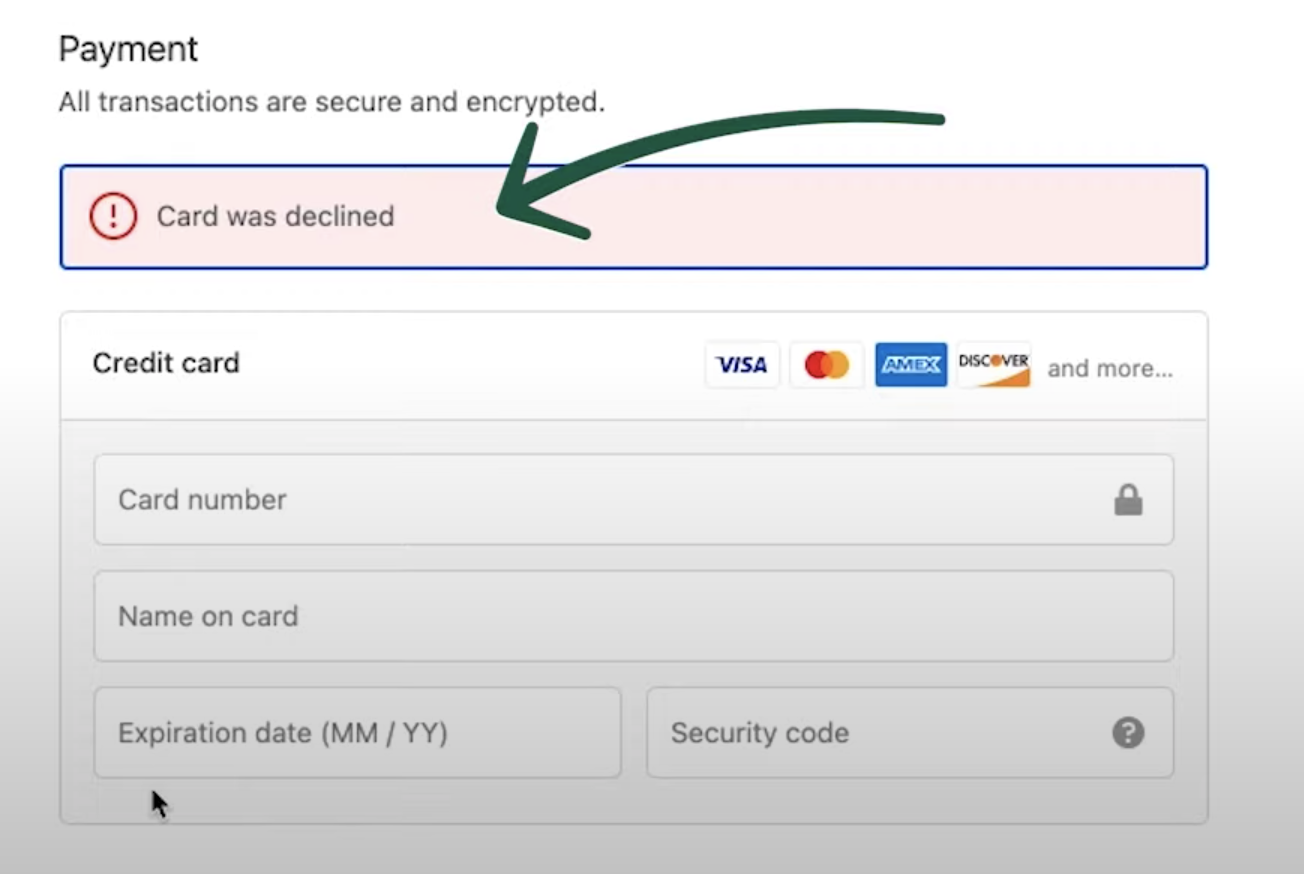
Before you start blaming your card provider or questioning your entire carding career, let me tell you something: Chances are, you were just screwed by your IP.
You see, in the carding game, your IP is the queen. It’s the most powerful piece on the board and can make or break your entire operation. You may have a card so clean it squeaks, but if your IP is dirtier than a back-alley drug deal, you’ve been screwed six ways since Sunday.
Your IP affects every step of the carding process:
Invisible Court: How Websites Evaluate Your IP
Every time you visit a website, you're not just browsing it — you're being checked. And your IP? That's the first thing they check.
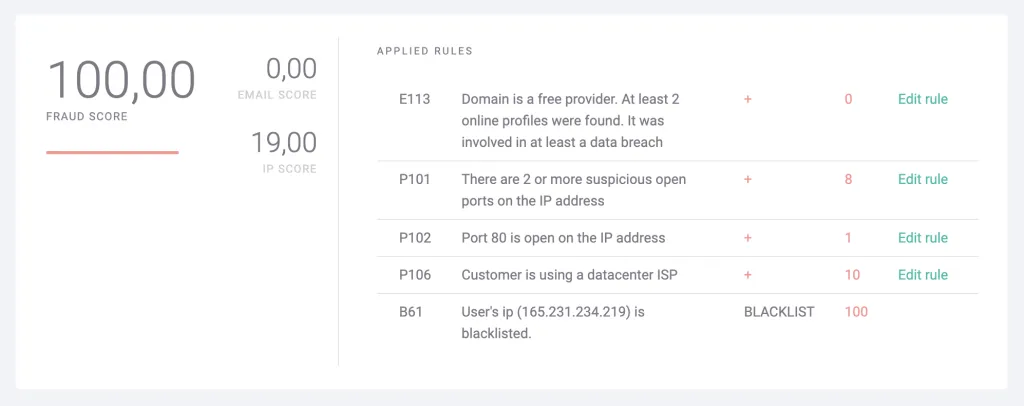
As soon as you visit a site, they run your IP through several databases. They dig into your IP history like a jealous ex scrolling through Instagram. Every IP address, every session, every change in your browser location, it’s all tracked. If your IP changes while you’re browsing, your order will be flagged.

Your activity isn’t just assessed in isolation. Different sites may weigh these factors differently, but they’re all playing from the same deck. Amazon may care more about your browsing patterns, while a digital goods payment system may care more about your geolocation sequence.
But here’s the real kicker: They don’t just keep this data to themselves. They share it, sell it, and use it to block your carding attempts all over the damn internet.
Let me break it down for you:
What Makes or Breaks the Quality of Your IP
Let’s get down to business and break down what determines the quality of your IP. Your overall score isn’t just a random number pulled out of thin air. It’s a weighted average of several factors, each of which contributes to your IP’s reputation. Different rating systems may weight these factors differently, but they all look at the same basic things.
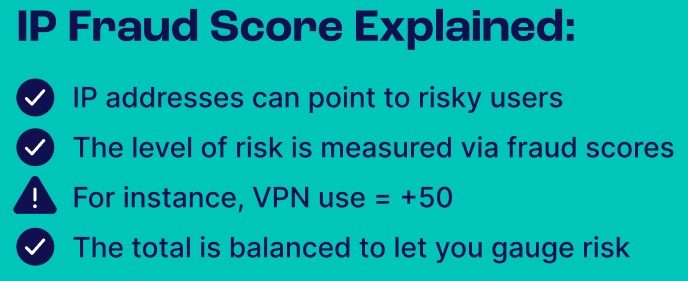
Here's the breakdown:
Each of these factors is given a score, which is then weighted and combined into an overall IP quality score. For example, a scoring system might weight historical behavior by 30%, geolocation by 25%, network reputation by 20%, and divide the remaining 25% among the other factors.
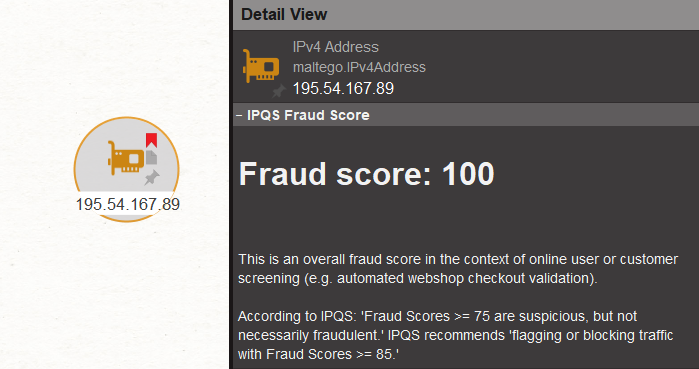
The key here is that no single factor determines your fate. A small geolocation error can be ignored if everything else checks out. But pile up enough small issues and you’re screwed.
Remember that these scoring systems are dynamic. Machine learning algorithms adjust the weightings based on new fraud patterns. What worked yesterday may kill you today.
Residential Proxies: Not Your Silver Bullet
Let’s talk about carders’ favorite crutch: residential proxies. Soax, S5 922, Faceless — these names will probably make you stronger than your first Playboy. But here’s the kicker: They’re not the blank slate you think.
The harsh reality:
I'm not saying that residential proxies are useless. But they are not bulletproof. Using them correctly requires constant rotation and knowledge of IP quality metrics.
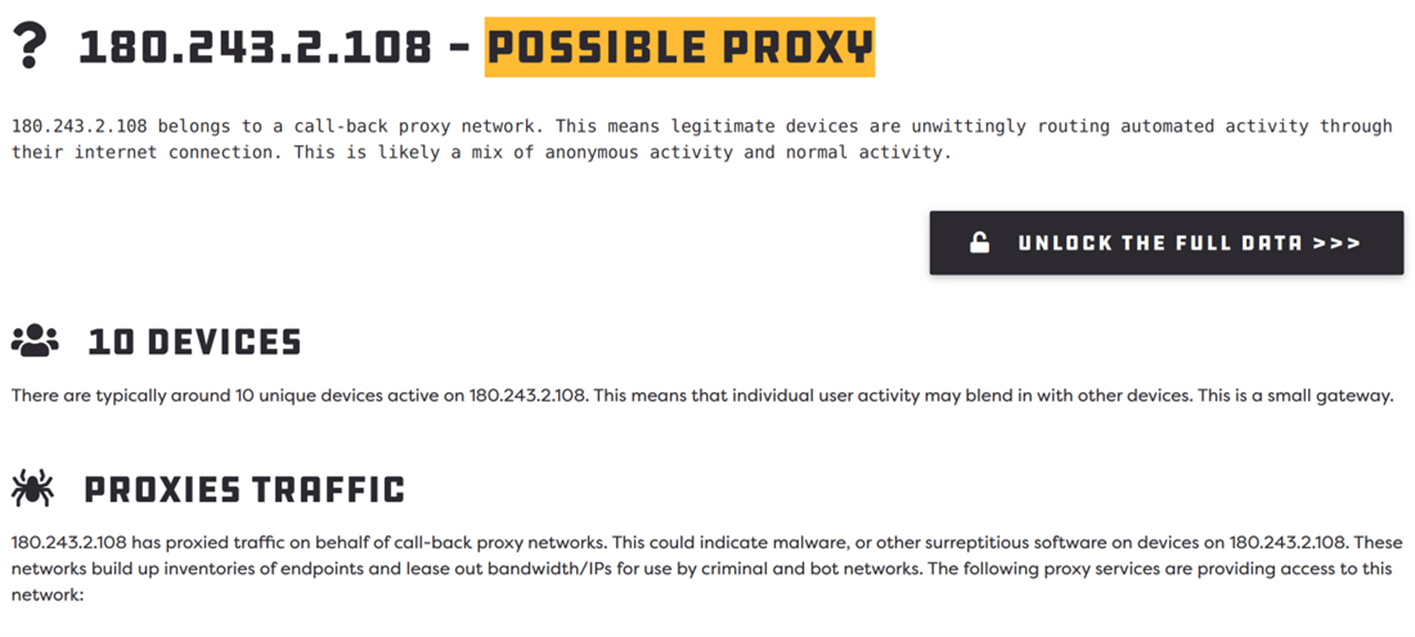
Remember: in this game, you are only as strong as your weakest link. Especially when you use the same card for multiple orders, one bad proxy can ruin your entire operation.
Tools to Check Your IP for Gold or Trash
Okay, it’s time for some serious talk. You need to know if your IP is clean or if it’s digital herpes. Here are two free tools to get you started:
These are just the basics. They’ll give you a general idea, but not the full picture. We’ll cover these in more detail in the next post.
Conclusion
IP quality is key for any serious carder. It’s not just about clean cards or a good anti-detect setup – your IP address can make or break your operation.
Remember: your IP address has a reputation on the internet. No single factor will kill you, but little things add up fast. Residential proxies are not a magic bullet, so use them wisely. And before you get involved in any big operations, always check the quality of your IP address.
In the next post, we’ll cover more complex things. We’ll create our own IP quality checker. This isn’t some fluff for beginner script kiddies – we’re talking about a system that will give you information that these publicly available tools can only imagine.
Until then, keep calm and keep your IP addresses clean.
We’re starting with a topic that’s more ignored than your high school girlfriend: intellectual property quality. Yeah, I know, it sounds about as exciting as watching paint dry. But trust me, this shit matters. It’s the difference between striking gold and getting slapped in the face by every anti-fraud system in existence.
Now, fair warning: this guide won’t hold your hand or spoon-feed you methods. We’re here to teach you how to think, not what to think. If this is too much for your tiny brain, there are plenty of Telegram groups selling 100% working methods that will happily take your money and give you a working 200 year old manual.
For the rest of you with more than two brain cells to rub against each other, hold on tight. We’re about to dive into the world of IP quality, and by the end of it, you’ll be looking at your carding operations in a whole new light.
Why Your Score Matters
Picture this: You’ve just received a new batch of cards with a high balance. Your anti-detect browser is all set up. You’ve got a bulletproof drop address, and you’re feeling like a boss. You fire up that designer store you’ve been meaning to visit, load up your cart with enough overpriced crap to make a Kardashian blush, and hit checkout.
And then… reject. What. The. Crap.
Before you start blaming your card provider or questioning your entire carding career, let me tell you something: Chances are, you were just screwed by your IP.
You see, in the carding game, your IP is the queen. It’s the most powerful piece on the board and can make or break your entire operation. You may have a card so clean it squeaks, but if your IP is dirtier than a back-alley drug deal, you’ve been screwed six ways since Sunday.
Your IP affects every step of the carding process:
- Initial connection - As soon as you enter the site, the AI systems check your IP. It's like entering an expensive store - they size you up before you even open your mouth.
- Browsing behavior - Your IP address isn't just evaluated on the site you're visiting. Tracking pixels and data sharing can also take into account your browsing history across multiple sites. That porn site you carded for a bonus? Yeah, that might just ruin your attempt at carding a fancy store.
- The checkout process is where things really get real. The reputation of your IP can make or break your transaction. A clean IP might let you slip through with a few red flags, but a dirty one? You're DOA, no matter how legit the rest of your setup is.
- Post-purchase – Don’t assume you’re safe just because you’ve received an order confirmation. A questionable IP can trigger post-purchase checks, which can result in order cancellations, as it relates to your overall risk assessment.
Invisible Court: How Websites Evaluate Your IP
Every time you visit a website, you're not just browsing it — you're being checked. And your IP? That's the first thing they check.
As soon as you visit a site, they run your IP through several databases. They dig into your IP history like a jealous ex scrolling through Instagram. Every IP address, every session, every change in your browser location, it’s all tracked. If your IP changes while you’re browsing, your order will be flagged.
Your activity isn’t just assessed in isolation. Different sites may weigh these factors differently, but they’re all playing from the same deck. Amazon may care more about your browsing patterns, while a digital goods payment system may care more about your geolocation sequence.
But here’s the real kicker: They don’t just keep this data to themselves. They share it, sell it, and use it to block your carding attempts all over the damn internet.
Let me break it down for you:
- Data sharing networks - companies like Emailage, Ekata and Sift don't just run one-off checks. They create huge networks of shared fraud data. That chargeback you triggered at some obscure electronics store? It might just come back to haunt you on a completely unrelated site.
- Real-time updates are not some slow, daily update nonsense. These networks update in real time. You can burn an IP on one site and find that it has become toxic across the entire internet in minutes.
- Cross-Platform Correlation - Remember that static proxy you used for that Adyen transaction that ended in a chargeback? Don't be surprised if it suddenly crashes your Stripe transaction fraud score. These guys talk to each other.
- Third-party data aggregators — companies like Proxyrack and IPQualityScore — collect IP address data 24/7. They don’t just sell it to payment processors — they also sell it to advertisers to prevent ad fraud. So your shady actions last week could be the reason your carding attempts are blocked this week.
- Machine learning models aren’t static sets of rules. Scoring systems are constantly evolving, studying every transaction — legitimate or fraudulent — to better identify your tricks.
What Makes or Breaks the Quality of Your IP
Let’s get down to business and break down what determines the quality of your IP. Your overall score isn’t just a random number pulled out of thin air. It’s a weighted average of several factors, each of which contributes to your IP’s reputation. Different rating systems may weight these factors differently, but they all look at the same basic things.
Here's the breakdown:
- Geolocation sequence
- Usage models
- Historical behavior
- Network reputation
- Technical details
- Movement patterns
- Device Correlation
- Behavioural biometrics
- Context and speed
- Data Center vs. Residential
Each of these factors is given a score, which is then weighted and combined into an overall IP quality score. For example, a scoring system might weight historical behavior by 30%, geolocation by 25%, network reputation by 20%, and divide the remaining 25% among the other factors.
The key here is that no single factor determines your fate. A small geolocation error can be ignored if everything else checks out. But pile up enough small issues and you’re screwed.
Remember that these scoring systems are dynamic. Machine learning algorithms adjust the weightings based on new fraud patterns. What worked yesterday may kill you today.
Residential Proxies: Not Your Silver Bullet
Let’s talk about carders’ favorite crutch: residential proxies. Soax, S5 922, Faceless — these names will probably make you stronger than your first Playboy. But here’s the kicker: They’re not the blank slate you think.
The harsh reality:
- Tainted Pools - These IP addresses are shared more often than your sister on spring break. You inherit every stupid carding attempt made through that IP address.
- Active scanning - IP quality assessors are constantly hunting for proxy services. Once flagged, entire ranges of IP addresses are marked as suspicious.
- Unnatural patterns. Rapid location changes and strange traffic patterns scream "I'm a proxy!" to any halfway decent scam system.
- Overuse - Popular services burn out quickly. When the same IP addresses keep popping up in fraud attempts, they could be labeled CARDER.
- Quality degradation. Even clean IP quickly turns into crap when heavily carded.
I'm not saying that residential proxies are useless. But they are not bulletproof. Using them correctly requires constant rotation and knowledge of IP quality metrics.
Remember: in this game, you are only as strong as your weakest link. Especially when you use the same card for multiple orders, one bad proxy can ruin your entire operation.
Tools to Check Your IP for Gold or Trash
Okay, it’s time for some serious talk. You need to know if your IP is clean or if it’s digital herpes. Here are two free tools to get you started:
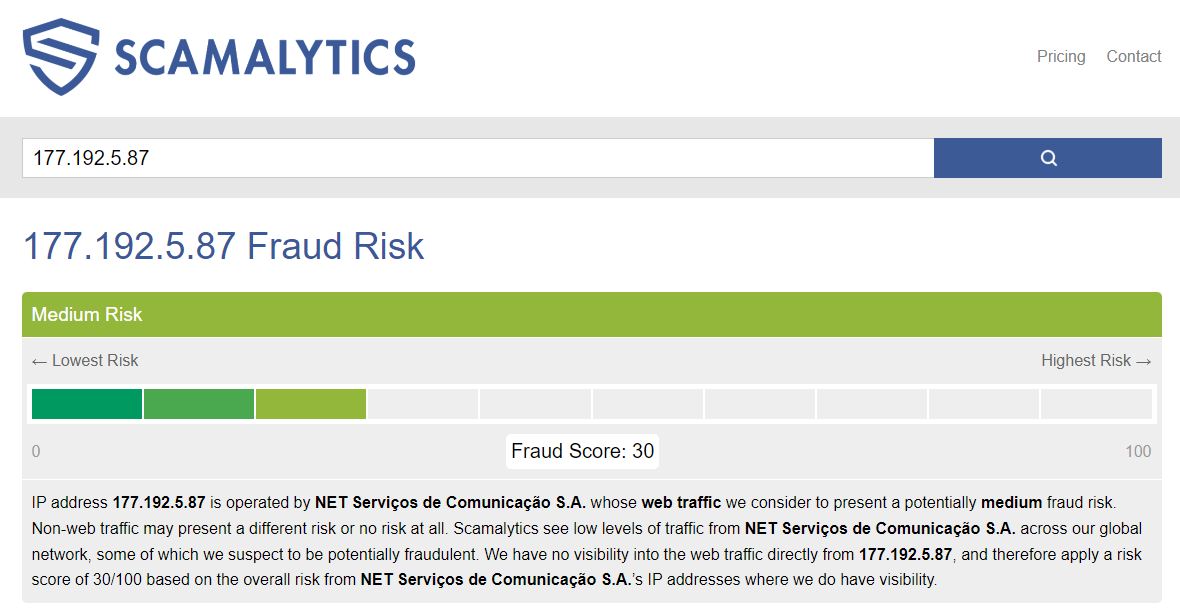
- Scamalytics (scamalytics.com) – Good for basic checks. If you’re going after smaller targets, this might be enough. It’ll give you a fraud score and some basic information.
- IPQualityScore (ipqualityscore.com) — The free check here is gold. It’s more detailed than Scamalytics. But here’s a pro tip: if you want access to their advanced metrics, don’t bother paying. Just check that shit.
These are just the basics. They’ll give you a general idea, but not the full picture. We’ll cover these in more detail in the next post.
Conclusion
IP quality is key for any serious carder. It’s not just about clean cards or a good anti-detect setup – your IP address can make or break your operation.
Remember: your IP address has a reputation on the internet. No single factor will kill you, but little things add up fast. Residential proxies are not a magic bullet, so use them wisely. And before you get involved in any big operations, always check the quality of your IP address.
In the next post, we’ll cover more complex things. We’ll create our own IP quality checker. This isn’t some fluff for beginner script kiddies – we’re talking about a system that will give you information that these publicly available tools can only imagine.
Until then, keep calm and keep your IP addresses clean.
