

It seems like people have a false sense of how they can get caught. We’ve covered a lot of different OPSEC articles, but nothing else covers the most vulnerable part of your entire OPSEC strategy: your online persona.
See, it’s not all that fancy crap that catches most criminals. It’s the damn digital breadcrumbs you leave everywhere you go online. Every username, every password, every email address you use is a beacon screaming “HERE I AM, ARREST ME!” to anyone who knows how to connect the dots.
OSINT and leaks
The internet never forgets, and nowhere is this more painfully evident than in the carding community. You think those card shops you frequent are safe? Nigga, please. Almost every major card shop or forum in history has been compromised, from Shadowcrew to Carder.su to BriansClub.
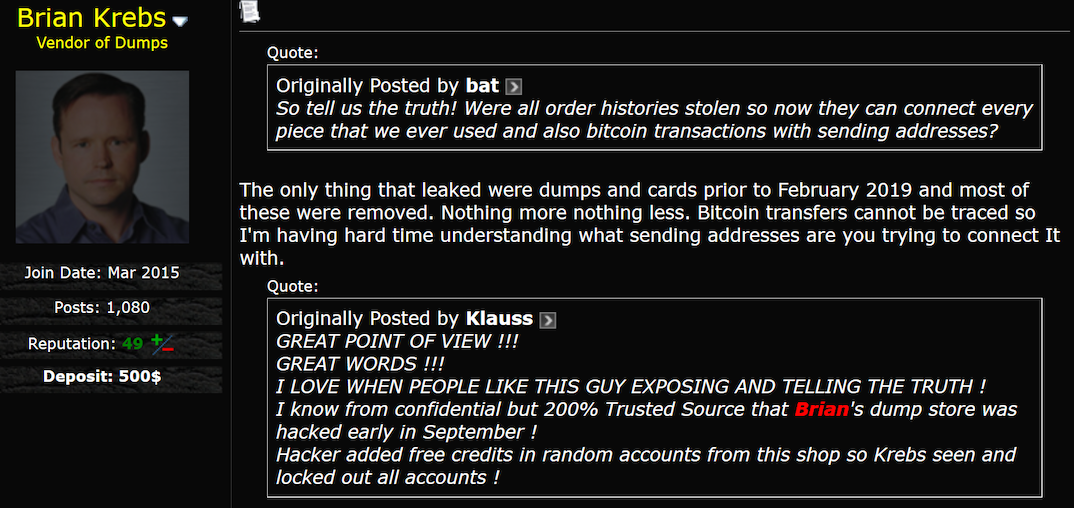
When these sites are hacked, everything becomes public — usernames, email password hashes, private messages — all that treasure. Security researchers, the feds, and private investigators dig into these leaks like digital archaeologists, piecing together your entire criminal career, cross-referencing hundreds of leaks to create a complete picture of your online existence. They mine your anonymity using services like IntelX, Dehashed, Flare, and more. The NSA probably has its own, perhaps the largest of these leak aggregators.
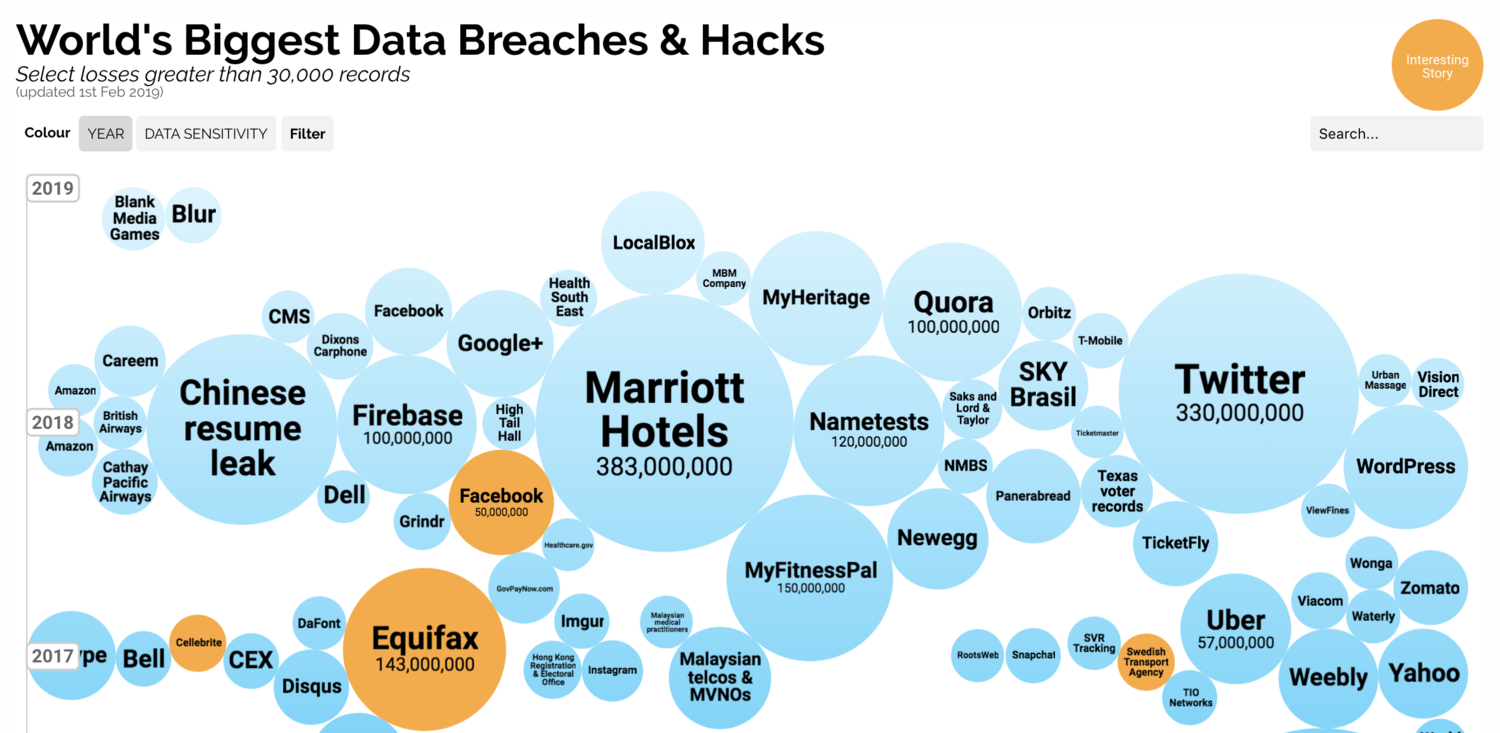
Think about it: That username you created for a $1 CC store in 2022? When that site was hacked in 2023, your username, crypto address, and text password ended up in the collections of security researchers. Then they notice that the same password hash shows up in another leak from MyFitnessPal — linked to your real name and address. Game over, carder.
Your Identity
See, your identity isn’t just revealed through direct breaches — it’s pieced together from crumbs scattered throughout your digital life.
Reusing a Username
Using “DarkLordСacker777” everywhere? Congratulations, you’ve just created a searchable index of your entire online life. Investigators run that information through tools like WhatsMyName or SpiderFoot, and suddenly your edgy forum handle is popping up on Reddit, Discord, and your GitHub repos.
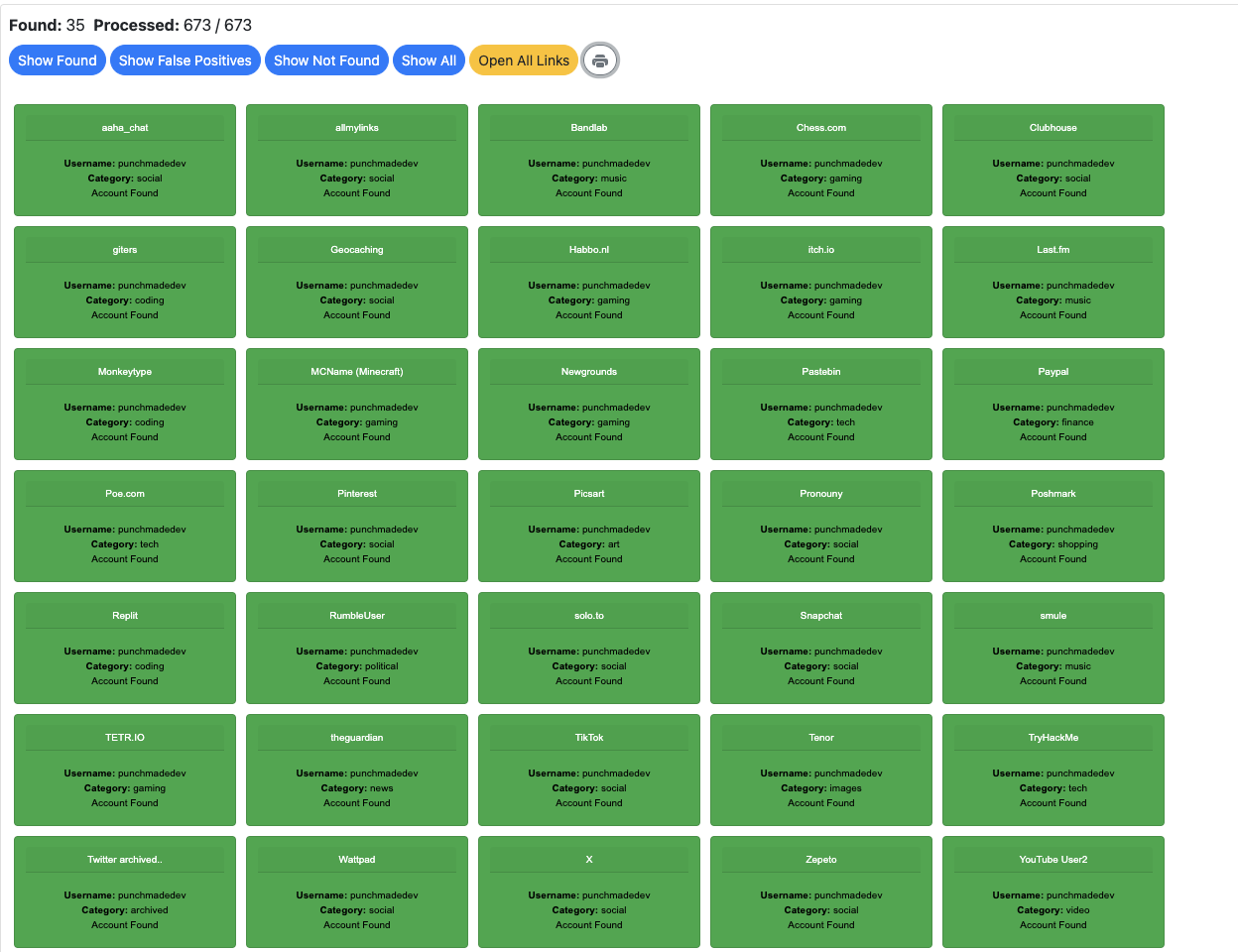
Carders are especially vulnerable here — you think your BriansClub username is unique? Investigators have already found that it’s linked to your Steam account, which links to your Discord, which links to your friend who tagged you in a photo on Facebook. Digital breadcrumbs, bitch.
Email Addresses
Your email address is essentially your online SSN. Even your “anonymous” ProtonMail can fool you if you reuse it. Remember AlphaBay’s welcome email? The administrator included his personal Hotmail — “[email protected]” — right in the header. Game over, dumbass.
For carders who use a special “anonymous” email address to register on carding forums, this is an immediate liability. When that forum is inevitably hacked, that email address will become a unique identifier that investigators will track across all other leaked databases.
Domain Registration
WHOIS records are the gift that keeps on giving for investigators. Historical WHOIS services like DomainTools save every detail forever. One mistake — using your real phone or email on a dubious domain — and you’re screwed.
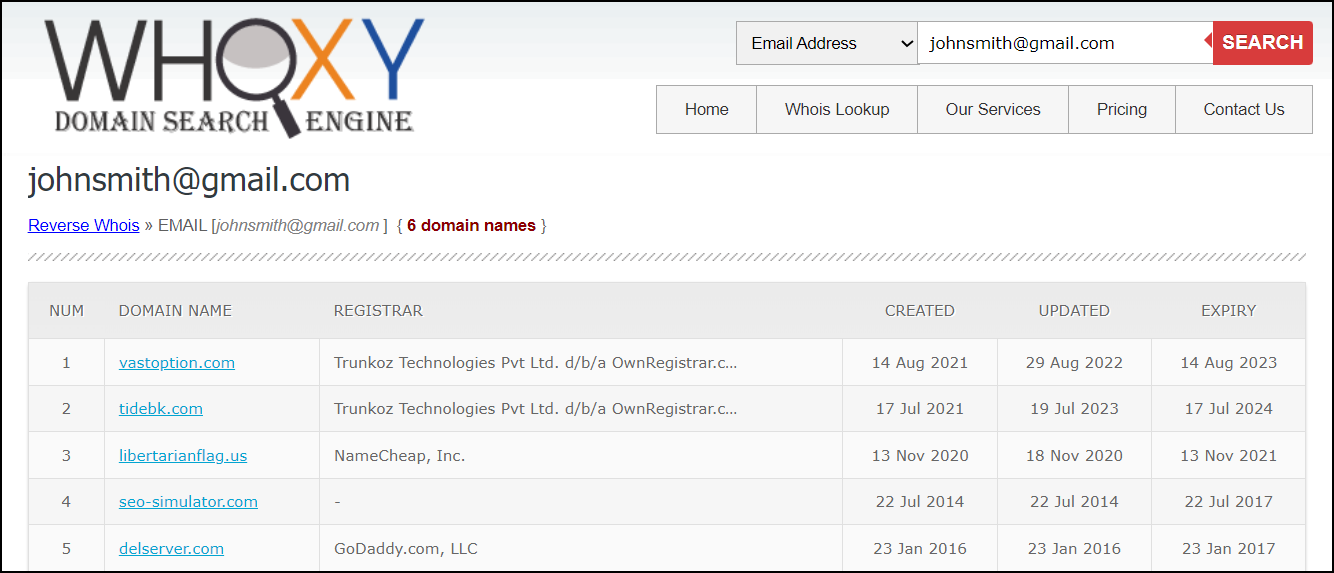
Many carders create dropshipping sites or phishing domains without properly anonymizing their registration data. The phone number you used once for a domain in 2019? It is forever linked to your identity.
Writing Style
Your writing style is as unique as your fingerprint. Do you use “u” instead of “you”? Do you always forget to capitalize your sentences? Do you have a specific way of structuring your arguments? Investigators use natural language processing to match your writing across platforms. Your quirks become your handcuffs.
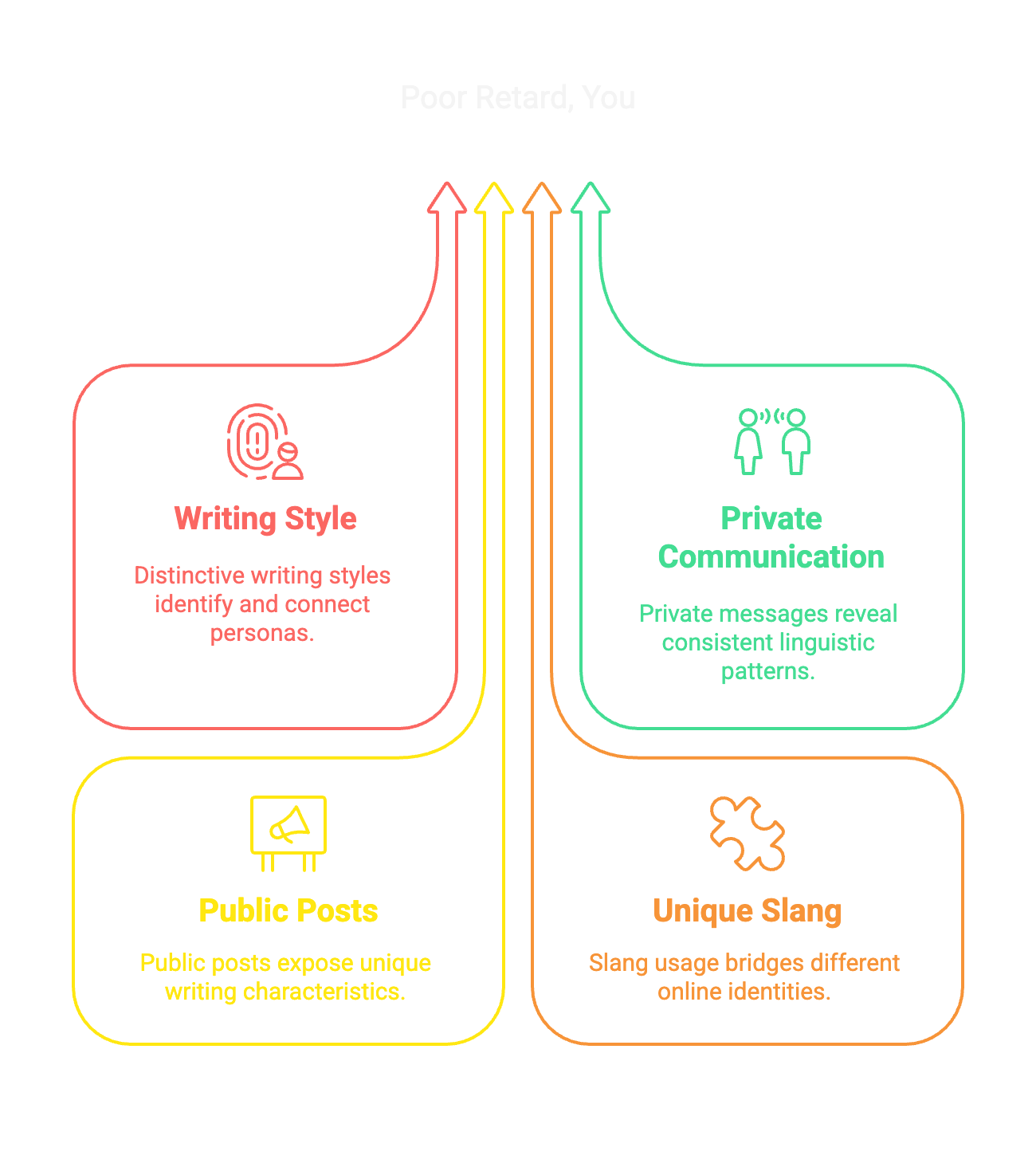
The way you talk in closed Telegram groups is compared to your posts on public forums. That unique slang you use on carding sites? If it shows up in your Twitter replies, you've just linked your personas.
Passwords
Passwords may seem trivial, but they are more personal and unique than your fingerprint. Your password is probably something deeply personal, like your dog's name mixed with your birth year and some random special characters. When you reuse the same password on multiple sites, you create a digital DNA pattern.

When some site you used inevitably gets hacked and your hashed password leaks, investigators don't even have to crack it. They just cross-reference that hash with other hacks. Since your password is unique enough that very few people share it, it's like a neon sign pointing straight to your real identity. Game over.
What to Do
Now that you realize how much you've screwed up already, here's how to fix it — or at least prevent further damage.

Digital compartmentalization is not optional - it is your oxygen mask in this environment. Think of each persona as a completely separate individual, with no connection to your other personas.
Conclusion
Your identity is not revealed by some dramatic hack or high-tech surveillance. It is unraveling, thread by thread, the mistakes you have already made and continue to make every day. The network never forgets, and investigators don’t need warrants or special tools – they just need your patterns and enough time to connect them.
The most dangerous security vulnerability is not your VPN or your handling of cryptocurrency. It’s between your ears – your habits, your laziness, your complacency. Master the discipline of identity isolation, and you might just survive. Fail, and you join the long list of cautionary tales who thought they were too smart to get caught.
In this game, you are not anonymous until proven guilty. You are connected until proven isolated. The choice is yours: develop strict digital discipline or end up in handcuffs. There is no middle ground.
(c) Contact the author here: d0ctrine
See, it’s not all that fancy crap that catches most criminals. It’s the damn digital breadcrumbs you leave everywhere you go online. Every username, every password, every email address you use is a beacon screaming “HERE I AM, ARREST ME!” to anyone who knows how to connect the dots.
OSINT and leaks
The internet never forgets, and nowhere is this more painfully evident than in the carding community. You think those card shops you frequent are safe? Nigga, please. Almost every major card shop or forum in history has been compromised, from Shadowcrew to Carder.su to BriansClub.
When these sites are hacked, everything becomes public — usernames, email password hashes, private messages — all that treasure. Security researchers, the feds, and private investigators dig into these leaks like digital archaeologists, piecing together your entire criminal career, cross-referencing hundreds of leaks to create a complete picture of your online existence. They mine your anonymity using services like IntelX, Dehashed, Flare, and more. The NSA probably has its own, perhaps the largest of these leak aggregators.
Think about it: That username you created for a $1 CC store in 2022? When that site was hacked in 2023, your username, crypto address, and text password ended up in the collections of security researchers. Then they notice that the same password hash shows up in another leak from MyFitnessPal — linked to your real name and address. Game over, carder.
Your Identity
See, your identity isn’t just revealed through direct breaches — it’s pieced together from crumbs scattered throughout your digital life.
Reusing a Username
Using “DarkLordСacker777” everywhere? Congratulations, you’ve just created a searchable index of your entire online life. Investigators run that information through tools like WhatsMyName or SpiderFoot, and suddenly your edgy forum handle is popping up on Reddit, Discord, and your GitHub repos.
Carders are especially vulnerable here — you think your BriansClub username is unique? Investigators have already found that it’s linked to your Steam account, which links to your Discord, which links to your friend who tagged you in a photo on Facebook. Digital breadcrumbs, bitch.
Real Failure: Ross Ulbricht Silk Road
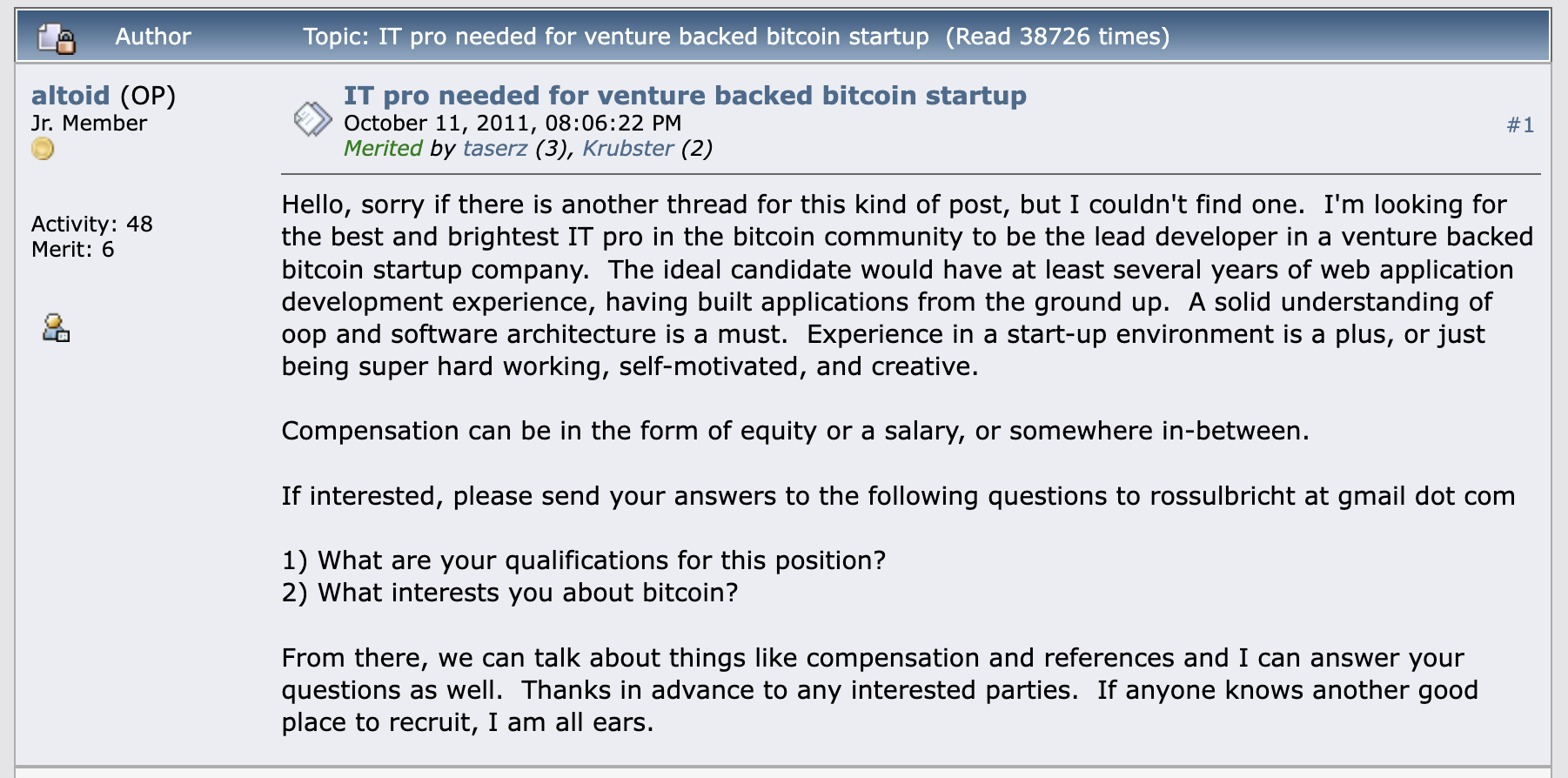
The infamous Silk Road founder was arrested for reusing usernames. He promoted his marketplace as “altoid,” then used the same handle to ask for IT help, leaving his personal email address ([email protected]). He also asked Tor coding questions on Stack Overflow under his real name, then changed it to “frosty” — but not before it was archived. A simple Google search connected the dots. Game over.
Email Addresses
Your email address is essentially your online SSN. Even your “anonymous” ProtonMail can fool you if you reuse it. Remember AlphaBay’s welcome email? The administrator included his personal Hotmail — “[email protected]” — right in the header. Game over, dumbass.
Real Failure: Alexandre Cazes AlphaBay
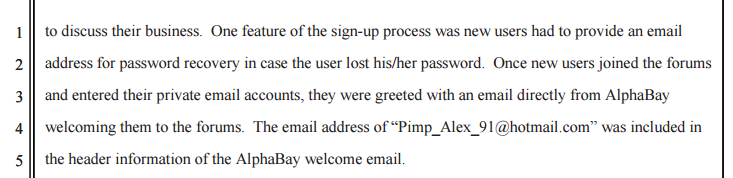
AlphaBay was the biggest darknet marketplace after Silk Road until founder Alexandre Cazes made a rookie mistake. The idiot pasted his personal email address — “[email protected]” — into the headers of [/EMAIL]AlphaBay’s welcome emails. The email contained his alias and birth year, and he used it on legitimate forums under his real name. Investigators quickly linked him to his shell companies and discovered he was living in luxury in Bangkok. They caught him with an unlocked laptop — game over.
For carders who use a special “anonymous” email address to register on carding forums, this is an immediate liability. When that forum is inevitably hacked, that email address will become a unique identifier that investigators will track across all other leaked databases.
Domain Registration
WHOIS records are the gift that keeps on giving for investigators. Historical WHOIS services like DomainTools save every detail forever. One mistake — using your real phone or email on a dubious domain — and you’re screwed.
Many carders create dropshipping sites or phishing domains without properly anonymizing their registration data. The phone number you used once for a domain in 2019? It is forever linked to your identity.
Writing Style
Your writing style is as unique as your fingerprint. Do you use “u” instead of “you”? Do you always forget to capitalize your sentences? Do you have a specific way of structuring your arguments? Investigators use natural language processing to match your writing across platforms. Your quirks become your handcuffs.
The way you talk in closed Telegram groups is compared to your posts on public forums. That unique slang you use on carding sites? If it shows up in your Twitter replies, you've just linked your personas.
Real Failure: The "Desorden/ALTDOS" Hacker

The Singaporean hacker thought he was clever, switching between the aliases of “ALTDOS”, “Desorden”, “GHOSTR”, and “Omid16B” to extort money from Asian companies. His fatal flaw? His writing style remained consistent across all personas. Security researchers analyzed his vocabulary and formatting patterns in ransom notes and forum posts. Despite the name changes, his linguistic fingerprint led investigators straight to a 39-year-old Bangkok resident named Chia.
Passwords
Passwords may seem trivial, but they are more personal and unique than your fingerprint. Your password is probably something deeply personal, like your dog's name mixed with your birth year and some random special characters. When you reuse the same password on multiple sites, you create a digital DNA pattern.
When some site you used inevitably gets hacked and your hashed password leaks, investigators don't even have to crack it. They just cross-reference that hash with other hacks. Since your password is unique enough that very few people share it, it's like a neon sign pointing straight to your real identity. Game over.
Real Failure: Roman Seleznev “Track2”
Russian carder Roman Seleznev (aka “Track2”) was caught using simple password reuse. Despite his technical training, he used the same passwords on both his personal and criminal accounts. When the feds caught him in the Maldives, they tried a password they found on his other accounts — the first attempt to access 1.7 million stolen credit cards. All his sophisticated hacking skills meant nothing because he didn’t want to bother with multiple passwords. He pleaded not guilty and received a 27-year sentence. After serving some time, he returned home in a prisoner swap between Russia and the United States.
What to Do
Now that you realize how much you've screwed up already, here's how to fix it — or at least prevent further damage.
Digital compartmentalization is not optional - it is your oxygen mask in this environment. Think of each persona as a completely separate individual, with no connection to your other personas.
- Use dedicated hardware. Your carding activities should take place on a separate machine from your personal life — preferably a Linux system booted from a USB stick that you use only with Tor.
- For each new forum or community, create a completely new identity. A new username, a new email address (preferably through a privacy-focused service, without phone verification), and even a new writing style.
- Use a password manager like KeePassXC that stays offline. Create unique 20+ character passwords for each site. Store this database on an encrypted USB drive that is never connected to networked computers.
- Check yourself before you destroy yourself. Regularly research your own OPSEC by looking up your handles in hacking databases and search engines.
- Cultivate a healthy paranoia. Before every online action, ask yourself, “If this site were hacked tomorrow, what would that reveal about me?” Treat every interaction as potentially permanent evidence.
Conclusion
Your identity is not revealed by some dramatic hack or high-tech surveillance. It is unraveling, thread by thread, the mistakes you have already made and continue to make every day. The network never forgets, and investigators don’t need warrants or special tools – they just need your patterns and enough time to connect them.
The most dangerous security vulnerability is not your VPN or your handling of cryptocurrency. It’s between your ears – your habits, your laziness, your complacency. Master the discipline of identity isolation, and you might just survive. Fail, and you join the long list of cautionary tales who thought they were too smart to get caught.
In this game, you are not anonymous until proven guilty. You are connected until proven isolated. The choice is yours: develop strict digital discipline or end up in handcuffs. There is no middle ground.
(c) Contact the author here: d0ctrine